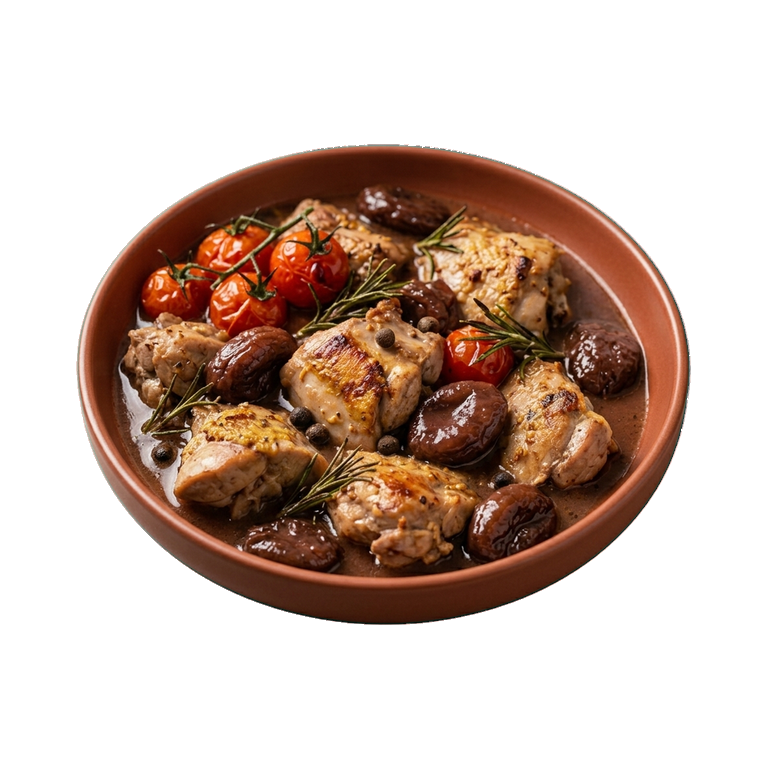
Usuba
Usuba
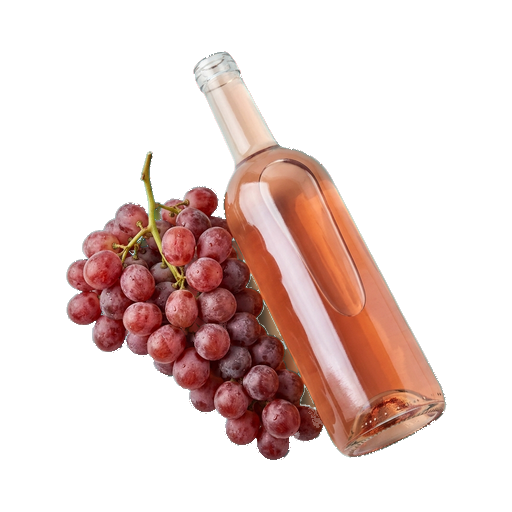
Dry rosé wine
Rosé dry wine is produced through brief contact between grape juice and the skins of red grape varieties, which gives the beverage its characteristic light pink hue and delicate berry aromas. The taste of such wine is refined and fresh, with subtle acidity and minimal residual sugar content, making it versatile for culinary use. Rosé dry wine works well in marinades, deglazing, and light sauces, and can also be used in cold dishes and beverages — when selecting, it is important to pay attention to the acidity and age of the wine to ensure it does not overpower the delicate flavors of the dish.
About
Dry rosé wine is one of the most versatile helpers in the kitchen. It is lighter than red wine, but more expressive than white, with delicate acidity and a subtle fruity profile. In cooking, rosé wine works as a bridge between different cooking styles: it doesn't overpower delicate ingredients, but adds depth and complexity where needed.
Aroma and Taste
Rosé dry wine smells fresh: red berries, floral notes, sometimes herbal undertones. On the palate, you feel pleasant acidity without harshness, minerality, and balanced tannins. Sweetness is completely absent — this is important for cooking because the wine won't compete with salt and spices in the dish.
Role in dishes
In cooking, dry rosé wine is particularly valuable for fish and seafood. Its acidity highlights the tenderness of the meat, while its lightness doesn't overpower the flavor. It works well in sauces for poultry, in marinades for veal, in risotto and paella. Wine is added at the beginning of cooking — it should simmer and impart its flavor, while the alcohol evaporates.
Ingredient Pairings
- Fish and seafood — mussels, shrimp, white fish, squid
- Vegetables — tomatoes, mushrooms, artichokes, shallots
- Herbs and spices — thyme, rosemary, tarragon, black pepper
- Creamy sauces — rosé wine softens their richness and adds freshness
Selection and Storage
For cooking, a mid-range dry rosé wine is suitable — you don't need to buy premium beverages, but something too cheap will have a sharp taste. Pay attention to acidity: it should be noticeable, but not aggressive. An open bottle should be stored in the refrigerator for no more than 3–4 days; for long-term storage, keep a closed bottle in a cool, dark place.
If the wine is too acidic for your taste, use less than the recipe calls for and complete the dish with fresh lemon juice or white wine vinegar — this way you'll maintain the necessary acidity without excessive sharpness.
Dry rosé wine is not an exotic product, but a working tool in the kitchen. It's versatile, forgiving of minor mistakes in proportions, and almost always improves a dish. Keep a bottle in the refrigerator and add it boldly — wine will quickly teach you to feel when you need more of it and when you need less.
Nutrition
per 100 ml
- Calories
- 78 kcal
- Protein
- 0.1 g
- Fat
- 0 g
- Carbs
- 2.5 g
Measures and weight
- 1 tbsp
- 14.8 g
- 1 tsp
- 5 g
- 1 cup
- 247.5 g
Measure calculator
- Weight
- 100 g
- Calories
- 79 kcal