Usuba
Usuba
Durum wheat flour
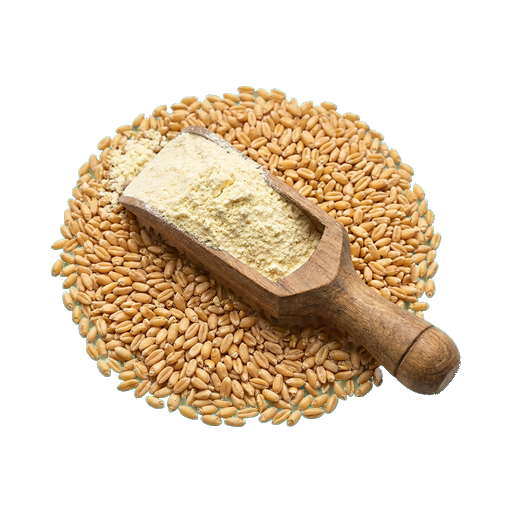
Durum wheat flour is distinguished by its high protein and gluten content, making it ideal for making pasta, bread, and baked goods with an elastic structure. Durum wheat grains contain less starch and more nutrients than soft varieties, so this flour gives dough elasticity and helps the finished product hold its shape better. When choosing, pay attention to the color — quality flour has a cream or light yellow tint, and when substituting regular wheat flour, keep in mind that you will need more liquid for the dough.
About
Durum wheat flour is not just an ingredient, but a completely different product than the familiar soft wheat flour. It is denser, golden in color, with a noticeable crunch between your teeth. When you hold such flour in your hands, it seems slightly coarser, but this is precisely what makes it indispensable in the kitchen. High protein and gluten content give it special properties that chefs appreciate for their reliability and predictability.
Where it is used
- Pasta and pasta products — this flour works best here. The dough holds its shape, doesn't fall apart during cooking, and the finished dish remains elastic.
- Bread with a crispy crust — by adding it to regular flour, you get a more open crumb and a more pronounced flavor.
- Pizza and focaccia — the dough becomes more elastic and better holds the filling.
- Buns and sweet dough — gives structure and makes baking more resistant to deformation.
Taste and Aroma
This flour has a more pronounced aroma than softer varieties. The fragrance features grain notes, a subtle sweetness, and sometimes even herbal undertones. In taste, there's a nutty depth and a satisfying feel. When you cook with it, the dish becomes more delicious not through additives, but through the grain itself.
How to use it correctly
- Do not completely replace it with regular flour in baking recipes — it absorbs more liquid. If you still decide to, add a bit more water.
- For pasta, use it without hesitation — this is a classic choice, and the dough will turn out perfect.
- Mix with soft flour in a 30–50% ratio for bread — this will give you better results than each one separately.
- Let the dough rest after mixing — flour from hard varieties works slower, and gluten needs time to develop.
Selection and Storage
When purchasing, pay attention to the color — it should be light yellow, almost creamy, not white. This is a sign that the flour is indeed made from hard wheat varieties. The smell should be fresh, grainy, without any mustiness. Store in a tightly closed container in a cool place — flour from hard wheat varieties is more stable than soft flour, but it still doesn't like moisture and heat. Under good conditions, it lasts up to six months.
If you seriously cook pasta or bread, this flour will become your assistant. It is reliable, predictable, and honest — it does exactly what is expected of it. Try it once, and you will understand the difference.
Nutrition
per 100 g
- Calories
- 342 kcal
- Protein
- 12.5 g
- Fat
- 1.1 g
- Carbs
- 70.8 g
Measures and weight
- 1 tbsp
- 9 g
- 1 tsp
- 3 g
- 1 cup
- 150 g
Measure calculator
- Weight
- 100 g
- Calories
- 342 kcal