Usuba
Usuba
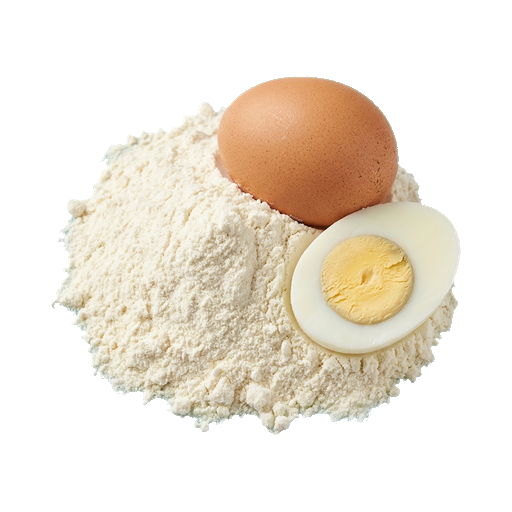
Egg white powder
Dried egg white is a powdered ingredient obtained by removing moisture from egg white, which is reconstituted by adding water. It is used in baking, creams, and meringues when stability is needed without fresh eggs or when a stronger protein structure in the dough is required. When choosing, it is important to check the expiration date and package seal, as the powder quickly absorbs moisture from the air and loses its properties.
About
Dry protein is a concentrated ingredient obtained by removing moisture from egg white or milk whey. In cooking, it acts as a universal helper: restores volume, stabilizes structure, and enriches dishes with protein without adding liquid. This is especially valuable when you need to maintain the consistency of dough, cream, or sauce while increasing nutritional value.
Taste and Aroma
Dry protein is almost neutral in taste, but has a characteristic egg or milk note depending on the source. The aroma is delicate and unobtrusive — it does not overpower the main ingredients of the dish. It is this subtlety that makes it ideal for sweet baking, creams and desserts, where any foreign smell is undesirable.
Where and how to use it
Dry egg white is indispensable in baking: it enhances the rise of sponge cakes, makes meringue more stable, and helps achieve perfect fluffiness. In confectionery creams and mousses, it acts as a stabilizer, preventing separation. It is added to protein bars, cocktail mixes, and sports nutrition products. Even in home baking, it solves practical problems: when there aren't enough eggs or a drier batter consistency is needed.
- Meringues and meringues — protein holds its shape and doesn't spread
- Sponge cakes and sponge pastries — improves rise and airiness
- Cake creams — stabilizes structure, prevents settling
- Protein drinks — enriches with protein without extra liquid
- Macarons and cookies — helps achieve the right dough consistency
Dosage and proportions
Dry egg white is a concentrate, so it is used in small amounts. Typically, one tablespoon of dry egg white replaces one fresh egg white. Before use, it is often diluted with a small amount of water or other liquid to restore the consistency. When adding to dry mixtures (flour, sugar), it can be mixed directly into the dry ingredients before combining with wet ones.
Selection and Storage
When choosing, pay attention to the powder's uniformity: it should be fine, without lumps or wet spots. Check the packaging date — a fresh product works better. The packaging should be sealed and undamaged. Dry protein should be stored in a cool, dry place in a tightly closed container, away from moisture and direct sunlight. With proper storage, it maintains its properties for 6–12 months.
- Storage temperature: 15–20 °C
- Humidity: minimal, no more than 60%
- Container: glass jar with tight lid or original packaging
- Storage location: away from spices and aromatic products
Practical Tips
If you are working with dry egg white for the first time, start with small portions. Try it in a simple recipe — for example, in an omelet or sponge cake, to understand how it affects the result. When reconstituting the protein, take your time: give it a few minutes to absorb the liquid before adding it to the main dish. If you are preparing frosting to decorate a cake, make sure the egg white is completely dissolved, otherwise lumps will remain in the frosting.
Dry egg white is not just a sports supplement. It's a tool that helps home pastry chefs and bakers solve real problems: getting an airy sponge cake, stable cream, or perfectly whipped meringue. Keep it on hand, and your baking will become more predictable and successful.
Nutrition
per 100 g
- Calories
- 370 kcal
- Protein
- 80 g
- Fat
- 2 g
- Carbs
- 8 g
Measures and weight
- 1 tbsp
- 6 g
- 1 tsp
- 2 g
- 1 cup
- 100 g
Measure calculator
- Weight
- 100 g
- Calories
- 370 kcal