Usuba
Usuba
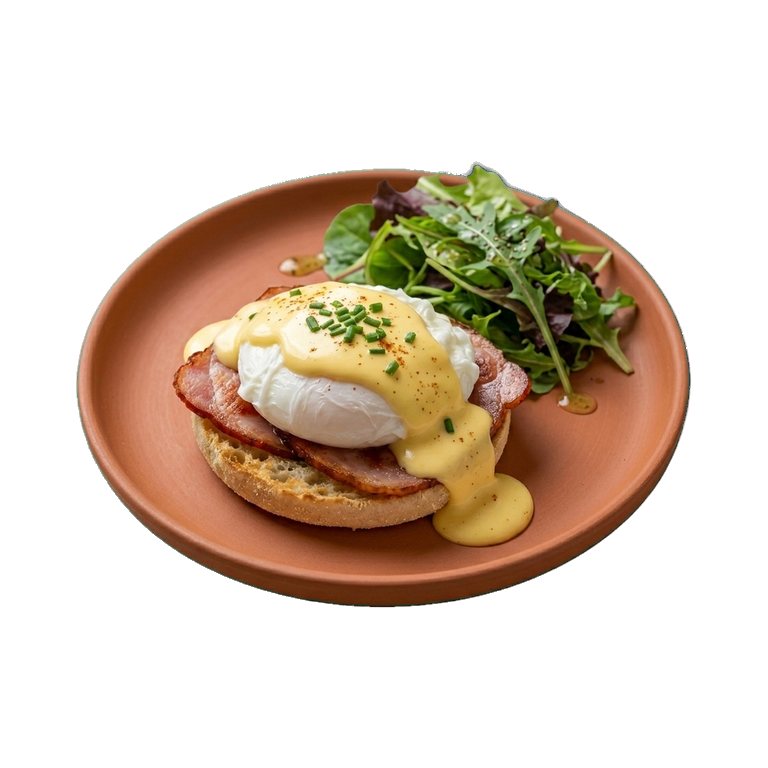
English muffin
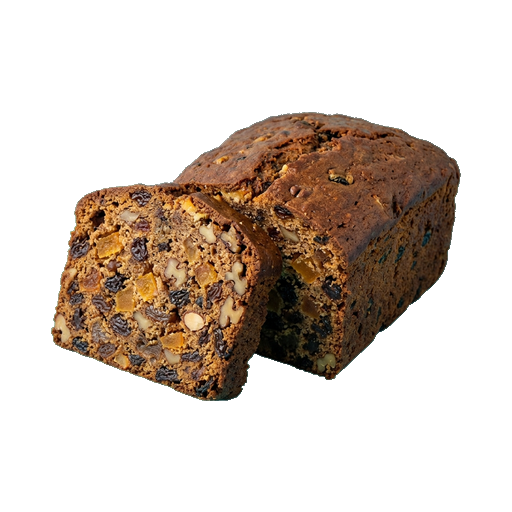
A dense, sweet bread with dried fruits, nuts, and spices made from butter, eggs, and flour. Its distinctive characteristic is prolonged maturation, which makes the flavor more rich and harmonious, while the texture becomes dense and moist. This cake keeps well and is often used as a base for festive desserts or served as a standalone treat with tea.
About
An English cake is not just a sweet pastry, but an entire philosophy of home cooking. A dense crumb, generously soaked with dried fruits and spices, makes it one of the most satisfying types of cakes. If you're looking for something substantial for tea or want to bake a treat that won't dry out in a day, this option will be your reliable helper.
Aroma and Structure
A classic English fruitcake is recognized immediately: it always contains raisins, currants, and candied fruits, with almonds or nuts often added. Spices — cinnamon, nutmeg, cloves — create that very recognizable warm aroma that fills the kitchen during baking. The structure is dense but not dry: butter and eggs make the crumb tender, and an abundance of filling gives it an interesting texture with crunchy pieces.
How to use in recipes
English cake is good on its own — sliced with tea or coffee. But it also works great in other dishes. Crumbs from the finished cake are added to desserts, used as a base for puddings, or as a component of complex sweet compositions. Some bakers soak it in syrup or alcohol for greater juiciness and depth of flavor.
Pairings and Serving
- With black tea or coffee — a classic pairing
- With cream or whipped cream for a festive version
- With vanilla ice cream as a simple dessert
- With marzipan or glaze for decoration
- As a layer in multi-tiered cakes and pastries
Selection and Storage
When buying a ready-made English cake, pay attention to the uniformity of color and the absence of cracks. A good cake should be heavy for its size — this is a sign of a generous amount of filling and butter. Homemade cake keeps for a long time: in an airtight container at room temperature it stays fresh for a week or two, and in the refrigerator — even longer. Over time, it becomes even more moist and aromatic, so this is not a defect, but an advantage.
Baker's Tip
If you are baking a fruit cake for the first time, soak the dried fruit in warm water or tea a few hours before mixing the batter — they will become juicier and release their flavor more generously. Bake at a relatively low temperature (160–170°C) longer than a regular cake: this way the filling won't burn and the crumb will bake evenly. Check for doneness with a toothpick — it should come out dry or with moist crumbs, but not with wet batter.
Nutrition
per 100 g
- Calories
- 350 kcal
- Protein
- 6 g
- Fat
- 15 g
- Carbs
- 45 g
Measures and weight
- 1 pcs
- 80 g
Measure calculator
- Weight
- 100 g
- Calories
- 350 kcal