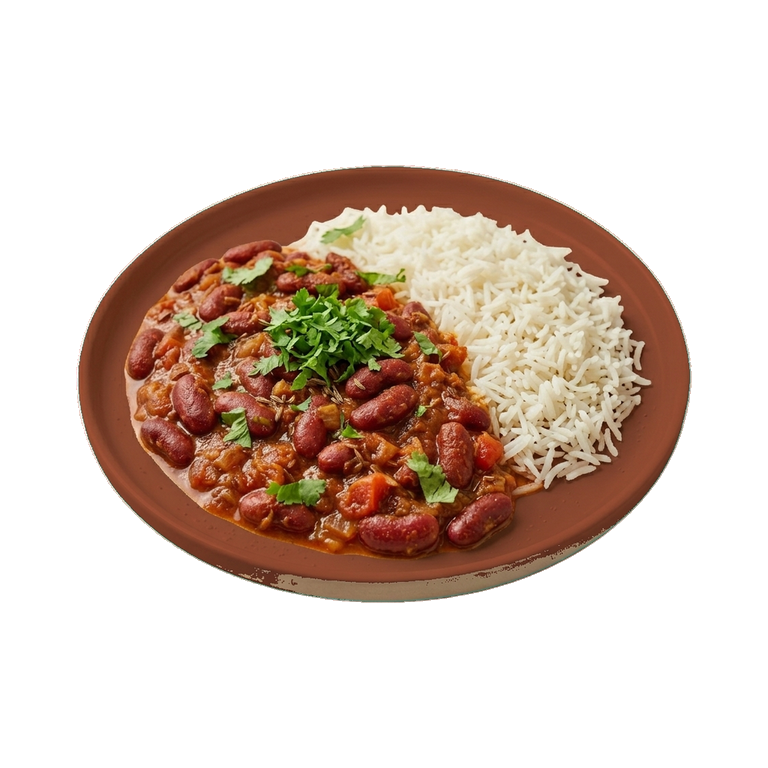
Usuba
Usuba
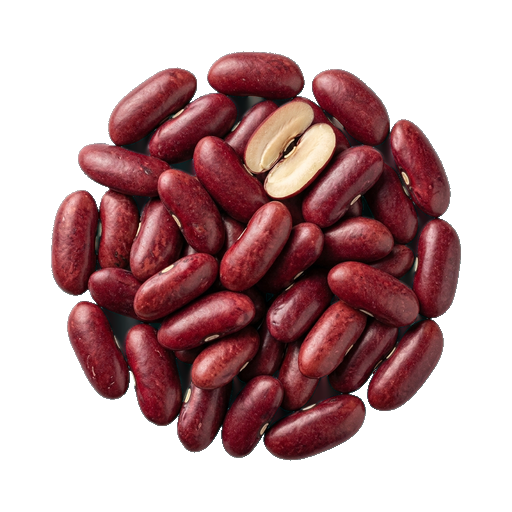
Kidney beans
Kidney beans are medium-sized dark red or burgundy beans with a characteristic kidney shape that holds up well during cooking. They have a firm texture, a slightly sweet flavor, and are suitable for soups, stews, chili, and salads, especially in Mexican and Latin American cuisine. Kidney beans require pre-soaking for 8–12 hours before cooking and take about 1–1.5 hours to cook; it's important not to overcook them so they don't fall apart.
About
Kidney beans are dark red or burgundy beans with a characteristic kidney shape, which is the origin of their English name. In cooking, they are valued for their firm texture, which is preserved even during prolonged boiling, and for their ability to absorb the flavors of sauces and spices. This is not just a beautiful ingredient on a plate, but a true workhorse component that holds its shape in soups, stews, and salads.
Kidney beans have a soft taste, slightly nutty, with barely noticeable sweetness. The flesh is dense but not tough when the beans are cooked properly. This makes them a versatile choice for both spicy Mexican dishes and European soups and stews.
Aroma and Flavor
Raw kidney beans have virtually no smell. During cooking, a characteristic legume aroma appears — earthy, slightly sweet. If you add a bay leaf or thyme to the water, the beans will readily absorb these aromas and become more expressive.
In taste, beans are softer than black beans, but denser than white beans. They hold their shape well and don't fall apart into mush, making them ideal for dishes where structure is needed. In spicy sauces, their delicate flavor doesn't get lost but is complemented by the spices.
Role in dishes and pairings
Kidney beans are the queen of chili con carne and other Mexican stews. They are often found in red soups, as part of tricolor salads, and as a filling for burritos. They work well in tomato sauces, with garlic, chili pepper, and cumin.
Kidneys pair excellently with beef, bacon, and sausages — their nutty sweetness balances the richness of the meat. They work well with vegetables: tomatoes, bell peppers, onions, carrots. Spices that bring out their flavor: cumin, paprika, black pepper, oregano, thyme.
Selection and Preparation
When buying dried beans, pay attention to their appearance: the grains should be whole, shiny, without cracks and dark spots. Canned kidney beans save time, but have a softer texture and often contain excess sodium — it's worth rinsing them before use.
- Soak dried beans overnight in cold water, then drain and cook in fresh water for 45–60 minutes until soft
- If you're short on time, use the express method: pour boiling water over them, let sit for an hour, then cook
- Cooked beans should be soft inside but not fall apart
- Salt the beans only at the end of cooking, otherwise they will be tough
Storage
Store dry beans in an airtight container in a cool, dry place — they can last a year or longer. Keep cooked beans in the refrigerator for up to four days in a container with liquid or in the freezer — this way they won't dry out. After opening canned beans, transfer them to a glass container and use within a few days.
Nutrition
per 100 g
- Calories
- 333 kcal
- Protein
- 22.5 g
- Fat
- 1.6 g
- Carbs
- 46.7 g
Measures and weight
- 1 tbsp
- 12 g
- 1 tsp
- 4 g
- 1 cup
- 200 g
Measure calculator
- Weight
- 100 g
- Calories
- 333 kcal