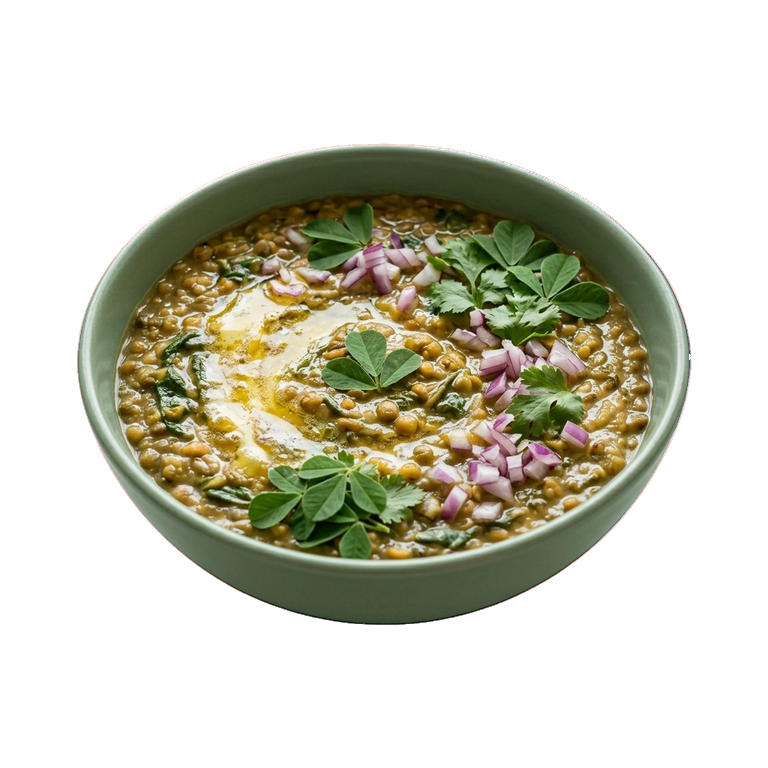
Usuba
Usuba
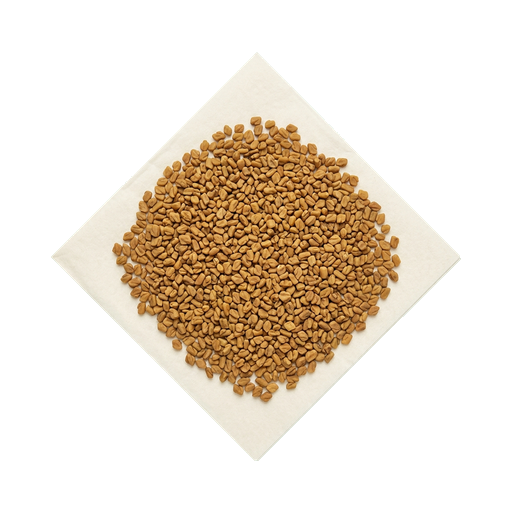
Fenugreek seeds
Fenugreek seeds, or methi, are small brown grains with a distinctive sweet-nutty aroma and slightly bitter aftertaste. They are commonly used in Indian, Middle Eastern, and North African cuisine as a spice for curries, marinades, and bread. When selecting, look for seeds with a rich aroma, and before using, lightly toast them in a dry pan to unlock the depth of flavor and reduce bitterness.
About
Fenugreek seeds are small golden-brown grains with a slightly bitter taste and rich aroma that often remain overshadowed by more well-known spices. But if you cook Indian, Middle Eastern, or North African cuisine, you've already encountered their signature — the characteristic maple syrup smell and nutty notes that flow through a dish.
Aroma and Taste
Raw fenugreek seeds are bitter and slightly herbaceous, but once you heat them in a dry pan, they open up in a completely different way. Sweetness emerges, nuttiness, even a sweet aroma reminiscent of caramel and maple syrup. This transformation is one of the main secrets of using the spice correctly.
Fenugreek has an intense and persistent flavor. A small amount of seeds can noticeably change the taste profile of a dish, so it's better to start with small quantities and gradually increase the dosage as you gain experience.
Where and how to use
- In spice blends — fenugreek is a component of garam masala, panch phoron, and other Indian spice mixes
- In marinades and pastes — adds depth to marinades for meat and vegetables
- In bread baking — a few seeds are added to dough for buns and bread, especially in Middle Eastern baking
- In lentil and bean dishes — pairs excellently with fermented dairy sauces
- In teas and beverages — fenugreek is brewed separately or as part of herbal blends
Selection and Storage
Buy seeds from specialized stores where they are stored in airtight containers away from light. Fresh fenugreek seeds have a pronounced aroma and uniform yellow-brown color. Avoid pale or darkened grains — this is a sign of oxidation or improper storage.
Store fenugreek at home in an airtight glass jar in a cool, dark place. When stored properly, the seeds retain their aroma and flavor for up to a year. If you cook with this spice frequently, it makes sense to grind the seeds directly before use — this way they will release maximum aroma.
Pairings and Practical Tips
Fenugreek works well in combination with turmeric, coriander, black pepper, and asafetida. This combination is the foundation of many Indian recipes. With dairy products — yogurt, sour cream, cottage cheese — the seeds create an interesting contrast between bitterness and creaminess.
- Heat the seeds in a dry pan for 1–2 minutes until fragrant, but do not overheat — bitterness will intensify
- For a milder taste, soak the seeds in water for several hours before adding to the dish
- If you are cooking for the first time, start with a quarter teaspoon per four servings — it is easier to add than to remove
Fenugreek seeds are not an everyday spice, but that's precisely why they are so valuable. A few grams are capable of transforming a simple soup or marinade into a dish with character, if you learn to listen to its aroma and respect its intensity.
Nutrition
per 100 g
- Calories
- 323 kcal
- Protein
- 23 g
- Fat
- 6.4 g
- Carbs
- 58.4 g
Measures and weight
- 1 tbsp
- 10.5 g
- 1 tsp
- 3.5 g
- 1 cup
- 175 g
Measure calculator
- Weight
- 100 g
- Calories
- 323 kcal