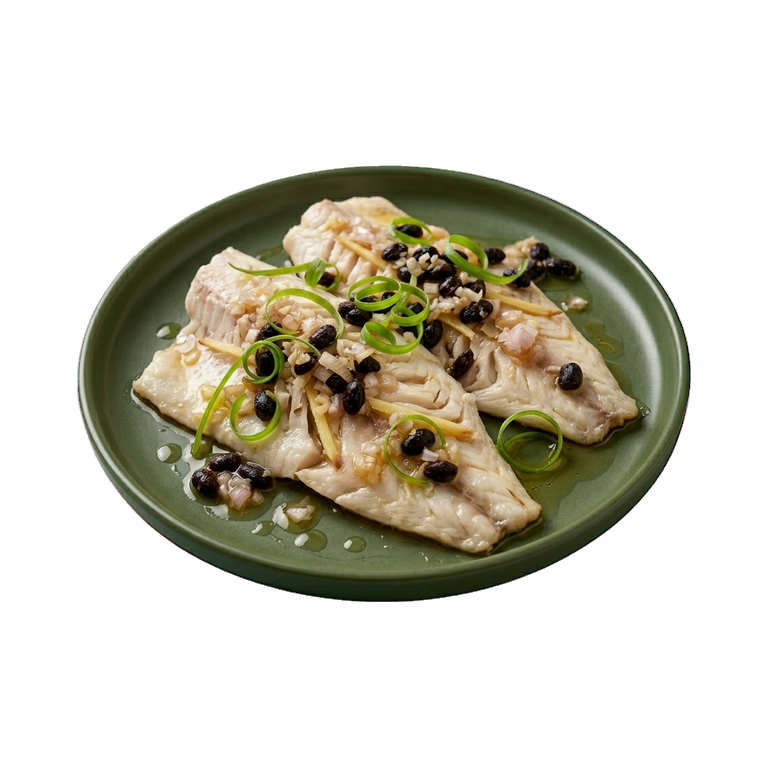
Usuba
Usuba
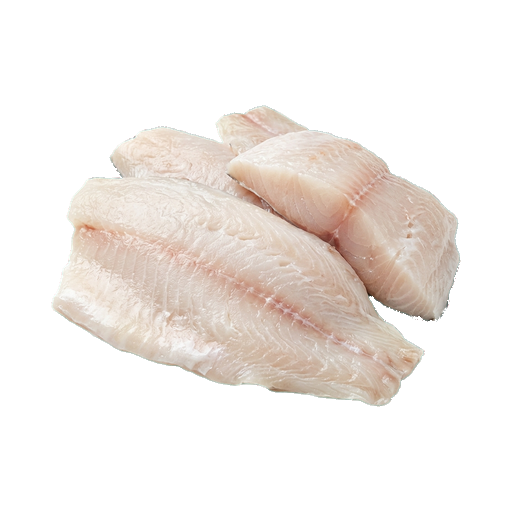
Ocean perch fillet
Red snapper fillet — tender white meat with a delicate texture and subtle sweet flavor that cooks easily and absorbs the aromas of sauces and spices well. The meat contains minimal bones and is ideal for baking, frying, steaming, and cooking in sauces. When selecting, pay attention to the density of the fillet and absence of odor — fresh meat should be firm and have a neutral sea aroma.
About
Sea bass fillet is one of the most reliable choices for home cooking. White, tender meat with minimal bones cooks quickly and almost never disappoints. This is a fish that works with any technique: from simple pan-frying to baking with vegetables and sauces.
Taste and texture
Sea bass meat is dense but not tough — it easily flakes with a fork while maintaining its shape during cooking. The taste is mild, slightly sweet, without a sharp fishy smell. The fat content is moderate, which makes the fillet versatile: it doesn't require additional oil, but won't dry out with proper heat treatment.
How to cook
Sea bass fillet handles quick frying well — just 3–4 minutes on each side in a hot pan with a small amount of oil. You can also cook it on a grill, in an oven at 180–200 degrees (15–20 minutes depending on thickness), steamed, or as part of soups and fish dishes. The key is not to dry it out: the fish is done when the meat becomes opaque and easily separates from the skin.
Pairings and Sauces
The delicate flavor of perch pairs beautifully with bold accompaniments. Lemon and lime highlight freshness, spices (ginger, paprika, turmeric) add depth, and herbs—parsley, dill, basil—create lightness. Creamy sauces, tomato gravies, soy marinades—they all work harmoniously.
- For vegetables: zucchini, tomatoes, carrots, bell peppers
- For side dishes: rice, potatoes, pasta, quinoa
- For beverages: white wine, light beer
Selection and Storage
When purchasing, pay attention to the color: the fillet should be pinkish-white or light gray, without yellow or brown spots. The smell should be fresh, oceanic, without an ammonia odor. The texture should be firm with minimal moisture. Frozen fillet is often more convenient than fresh: it lasts longer and doesn't lose quality with proper thawing (preferably in the refrigerator, slowly).
Keep fresh fillet in the refrigerator for no more than two days on the coldest shelf. Frozen — up to three months at minus 18 degrees. Thaw completely before cooking so the meat cooks evenly and doesn't lose moisture.
Nutrition
per 100 g
- Calories
- 103 kcal
- Protein
- 18.2 g
- Fat
- 3.3 g
- Carbs
- 0 g
Measure calculator
- Weight
- 100 g
- Calories
- 103 kcal