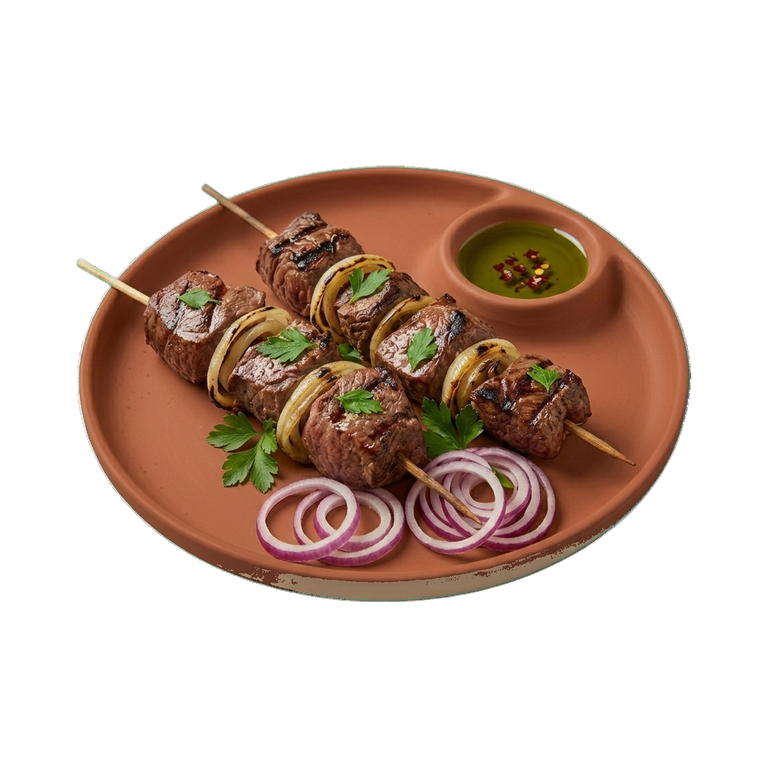
Usuba
Usuba
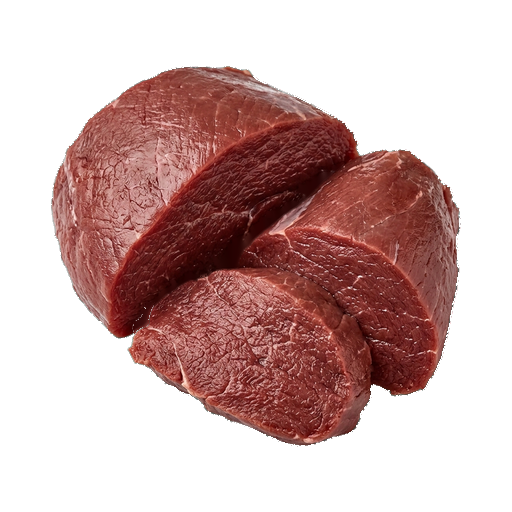
Ostrich fillet
Ostrich fillet is red meat with a tender texture and low fat content that tastes similar to beef, but softer and juicier. Ostrich meat cooks faster than beef, so it's important not to overcook it to avoid it becoming tough — it's best cooked to medium or medium-rare. It's used for steaks, roast beef, ground meat, and grilling, and pairs well with spicy sauces and herbs that enhance its delicate flavor.
About
Ostrich meat is a product that challenges conventional ideas about red meat. Ostrich fillet stands out for its low fat and cholesterol content, while remaining juicy and rich in flavor. This is not exotic for exotic's sake, but a practical choice for those who value quality and want to diversify their menu without compromise.
Taste and Texture
Ostrich meat has a deep, beefy flavor reminiscent of beef, but more tender and delicate. The meat fibers are fine and uniform, so it cuts easily and cooks quickly. With proper heat treatment, the fillet remains pink inside and does not become tough — this is the main difference from conventional beef.
How to cook
Ostrich meat requires a careful approach: the meat is lean, so it's easy to dry out. It's best to cook over medium heat, avoiding well-done. The fillet absorbs marinades and sauces well, so it's worth soaking it in advance in oil with herbs or acid.
- Steak: sear on a hot skillet for 3–4 minutes on each side, let rest
- Grill: cook over medium heat, remember to flip and never leave unattended
- Stewing: suitable for stews and slow cooking in sauce
- Ground meat: an excellent option for cutlets, meatballs, and fillings due to low fat content
What pairs well with
Ostrich meat works well with bright and acidic components. Red wine, berry sauces, mustard, lemon, and fresh herbs highlight its flavor. Grilled vegetables, potatoes, and greens are classic accompaniments. Eastern spices also work well if not overdone.
Selection and Storage
Look for fillets with a bright red color without dark spots or odor. The meat should be firm, without slime. Store in the refrigerator for 3–4 days in a sealed container, or in the freezer for up to 6 months. Before cooking, let the meat thaw naturally on the lower shelf of the refrigerator.
Ostrich meat is not just an alternative to beef, but a full-fledged ingredient with its own character. It requires attention during cooking, but rewards those who understand its peculiarities with tenderness and pure meaty flavor.
Nutrition
per 100 g
- Calories
- 114 kcal
- Protein
- 21.4 g
- Fat
- 3.1 g
- Carbs
- 0 g
Measure calculator
- Weight
- 100 g
- Calories
- 114 kcal