Usuba
Usuba
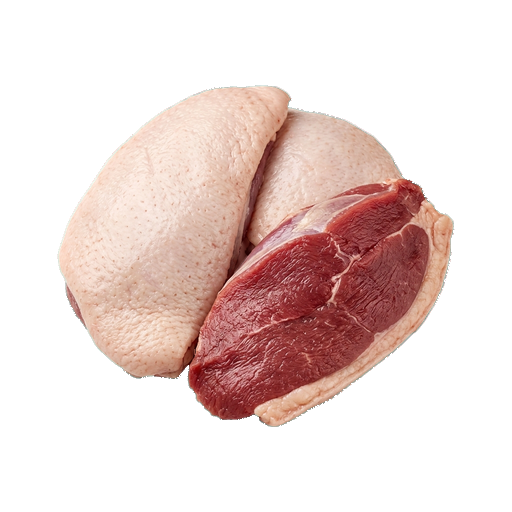
Duck breast
Duck fillet is a meat with high fat content and a rich, slightly sweet flavor with a subtle bitterness. Thanks to its dense texture and distinctive aroma, it is ideal for searing until crispy, braising, and roasting. When selecting, pay attention to the color — quality fillet has a dark red hue, and during cooking it is important not to dry out the meat, as it quickly loses its juiciness.
About
Duck fillet is meat that transforms the perception of poultry. Unlike chicken, it is dark, dense, and rich in flavor. When you cut the fillet, the difference is visible: muscle fibers are more tightly packed, the color is deeper, and fat is distributed so that the meat remains juicy even with intense heat treatment. It is not just an ingredient — it is the foundation for serious cuisine.
Aroma and Taste
Duck fillet smells expressive and honest — it's game, but not harsh, rather noble. The taste of the meat is rich, with a slight sweetness and a deep meaty note. The skin, if left on, becomes crispy and releases fat, which creates a contrast with the tender meat inside. Duck fat is its main treasure: it melts at a lower temperature than chicken fat and penetrates the fibers, making every piece juicy and aromatic.
When cooked properly, the fillet remains pink inside — this is not raw meat, but the perfect level of doneness that preserves moisture and tenderness. Duck is easy to overcook, and then it becomes tough and bland. Therefore, temperature control is critical here.
How to cook and what to pair with
- Skin-side down in a pan: start over medium heat to render the fat and make the skin crispy, then flip for 3–4 minutes. The meat should remain with a pink center.
- On the grill or in the oven: the fillet holds its shape well and doesn't fall apart, so it can be cooked whole or sliced.
- In sauces: duck meat pairs well with acidity (orange, cherry, raspberry, balsamic) and spices (pepper, cinnamon, ginger). Sharp and sweet sauces highlight its depth.
- In salads: thinly sliced fillet while still warm creates a contrast with crispy greens and light dressings.
Duck fillet pairs well with acidity — it cuts through the richness and refreshes the palate. Orange juice, red wine, vinegar, pomegranate juice — they all work beautifully with duck. For spices, choose those that aren't afraid of intense flavors: black pepper, coriander, thyme, rosemary. Starchy side dishes (rice, potatoes) are also essential: they will absorb the fat and create balance on the plate.
Selection and Storage
When buying, pay attention to the color: the meat should be dark red or burgundy, without gray spots. The skin should be smooth, without damage, with an even layer of fat. The smell should be fresh, meaty, without mustiness. If the fillet is purchased in vacuum packaging, check the date and the integrity of the package.
- In the refrigerator: 2–3 days on the coldest shelf, preferably on a rack to allow air circulation.
- In the freezer: up to 3 months in an airtight package or container. Thaw in the refrigerator, take your time.
- Before cooking: remove from the refrigerator 20–30 minutes before to let the meat warm to room temperature. This will help it cook evenly.
Duck fillet is an investment in results. It's more expensive than chicken, but one fillet is enough for two, and every bite delivers on flavor. Don't skimp on time for proper cooking: a few minutes of attention will create a dish that will be remembered.
Nutrition
per 100 g
- Calories
- 200 kcal
- Protein
- 19 g
- Fat
- 13 g
- Carbs
- 0 g
Measure calculator
- Weight
- 100 g
- Calories
- 200 kcal