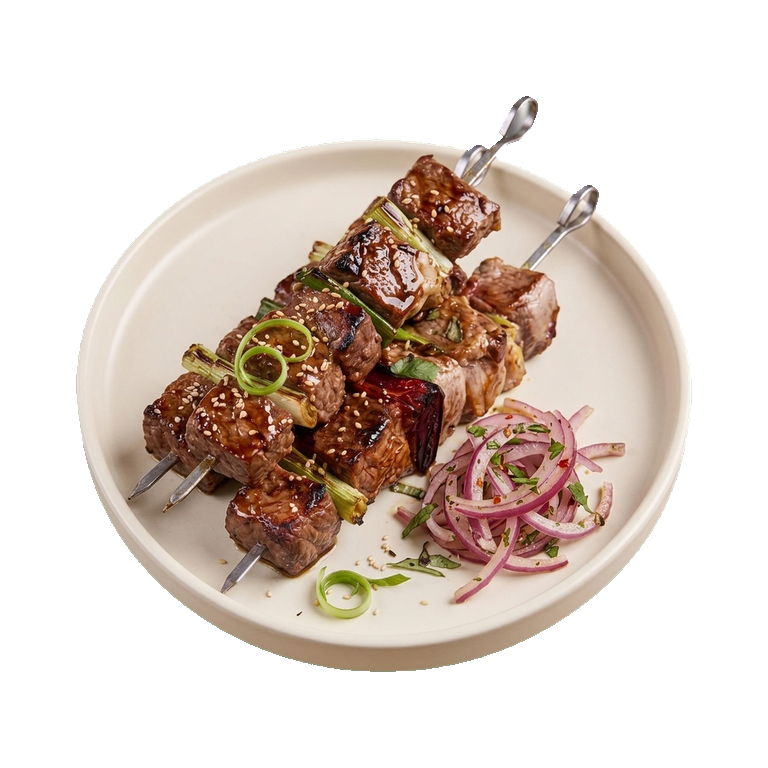
Usuba
Usuba
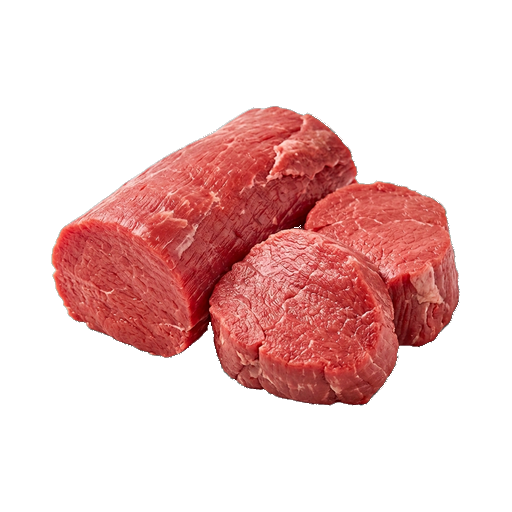
Fillet
Tenderloin is tender meat cut from the loin section of the carcass along the spine. It contains virtually no fat or connective tissue, so it cooks quickly and has a soft texture, making it ideal for steaks, roast beef, and delicate dishes. When selecting, pay attention to the color — the meat should be bright red without dark spots, and avoid overcooking during preparation to preserve its juiciness.
About
Filet mignon is the most tender and expensive part of beef carcass. It is located along the spine and is practically not involved in the animal's movement, which is why the muscle fibers here remain soft and thin. This makes it ideal for those who appreciate tenderness and are willing to pay for it.
Texture and taste
Filet mignon literally melts in your mouth. The marbling here is minimal — this is what distinguishes it from fattier cuts. The beef flavor is deep yet subtle. With little fat, the meat cooks quickly and requires careful temperature control: it's easier to dry out than any other cut.
How to Cook
Tenderloin is a versatile cut, but it requires careful handling. It can be sliced into steaks and cooked over high heat for literally two to three minutes on each side. You can also roast it whole in the oven at high temperature. The main rule is: do not overcook. The meat should remain pink inside, otherwise it will become dry and tough.
- Grilled or pan-seared steaks — a classic option for 3–5 minutes depending on thickness
- Roast beef in the oven — a whole piece at 200–220 °C until internal temperature reaches 50–55 °C
- Tartare and carpaccio — raw dishes that require the highest quality meat
- Quick stir-frying in a wok or on a hot skillet with minimal processing
Seasonings and Combinations
Filet has a delicate flavor that is easy to overpower. It's best to stick with salt, black pepper, and fresh garlic. If you want to experiment, add herbs at the end of cooking: rosemary, thyme, parsley. Butter placed on hot meat emphasizes its tenderness.
For a side dish to filet mignon, choose dishes that don't compete with the meat: mashed potatoes, grilled vegetables, fresh salad. Choose a full-bodied red wine — Pinot Noir, Bordeaux, or Merlot. Sauces should be light: red wine sauce, mushroom sauce, or simply butter sauce with mustard.
Selection and Storage
When purchasing, pay attention to the color: the meat should be deep red, without gray spots. The surface should be moist, but not wet. The smell should be clean, meaty, without any sourness. If possible, choose cuts with slight marbling: this will enhance the flavor and prevent drying out.
Filet mignon should be stored in the refrigerator for 3–4 days at a temperature of 0–4 °C. Freeze it if you plan to cook later: meat will keep in the freezer for up to three months. Before cooking, let it thaw at room temperature for at least an hour — this will ensure even cooking.
Tenderloin is a meat for those who value quality over quantity. It doesn't require long marinating or complex preparation. Just a good piece, the right temperature, and minimal seasoning — that's all you need for a perfect result.
Nutrition
per 100 g
- Calories
- 185 kcal
- Protein
- 26.3 g
- Fat
- 8.5 g
- Carbs
- 0 g
Measure calculator
- Weight
- 100 g
- Calories
- 185 kcal