Usuba
Usuba
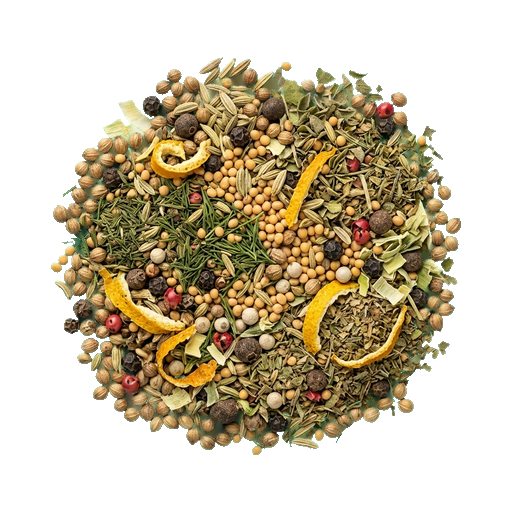
Fish Seasoning
A ready-made spice blend specially developed to enhance the flavor of fish dishes and seafood. It typically includes dried herbs, sea salt, black pepper, and aromatic additives that complement the delicate flesh of fish without overpowering its natural taste. When selecting, pay attention to the ingredients and expiration date. If substituting, you can use a combination of sea salt, dill, lemon pepper, and black pepper in equal proportions.
About
What is fish sauce and why is it needed
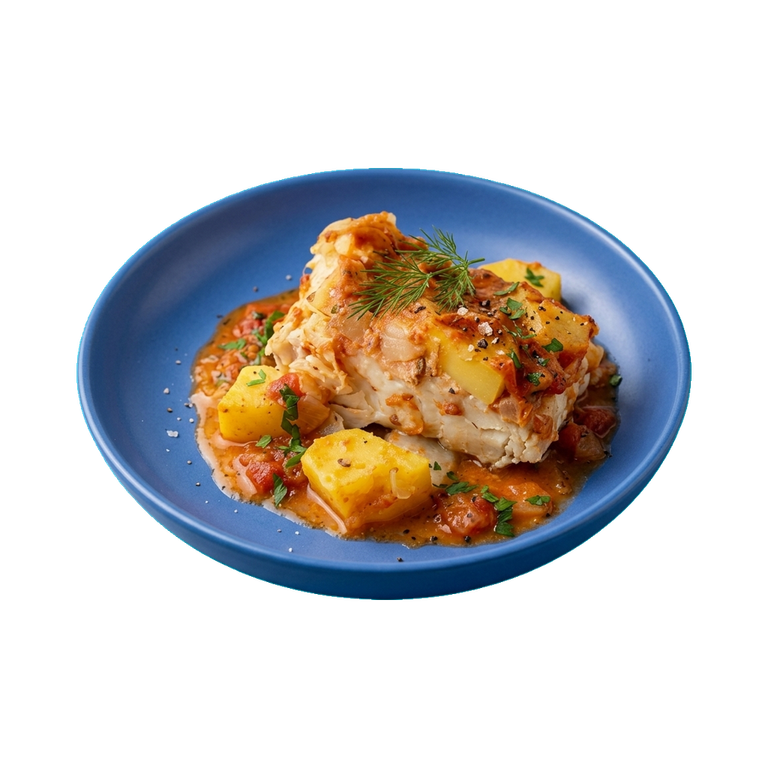
Fish seasoning is a ready-made blend of spices, herbs, and salts specially selected to highlight the delicate flavor of fish without overpowering it. Unlike universal seasonings, it takes into account the characteristics of marine and freshwater delicacies: it neutralizes fishy odor, adds depth to the taste, and creates a harmonious flavor profile. Such a blend saves time in the kitchen — there's no need to adjust proportions every time you prepare a salmon steak or cod fillet.
A typical composition includes sea salt, black pepper, dried dill, lemon zest, garlic, and sometimes fennel or coriander seeds. Some variations contain paprika for a subtle smoky note or dried seaweed for a marine aroma. All of this works together to help the fish reveal its full flavor, and the dish becomes more expressive.
How to use and what to combine with
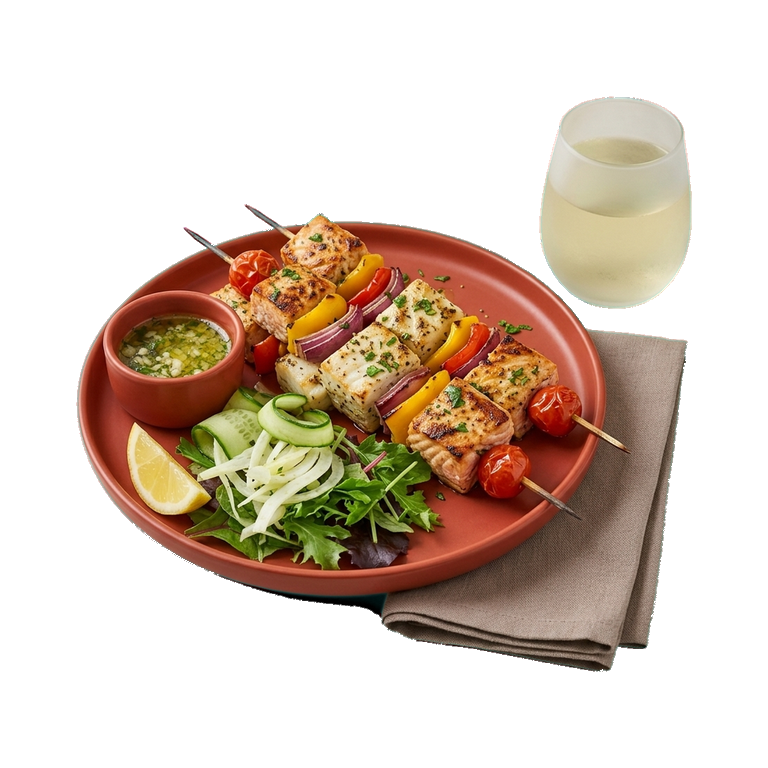
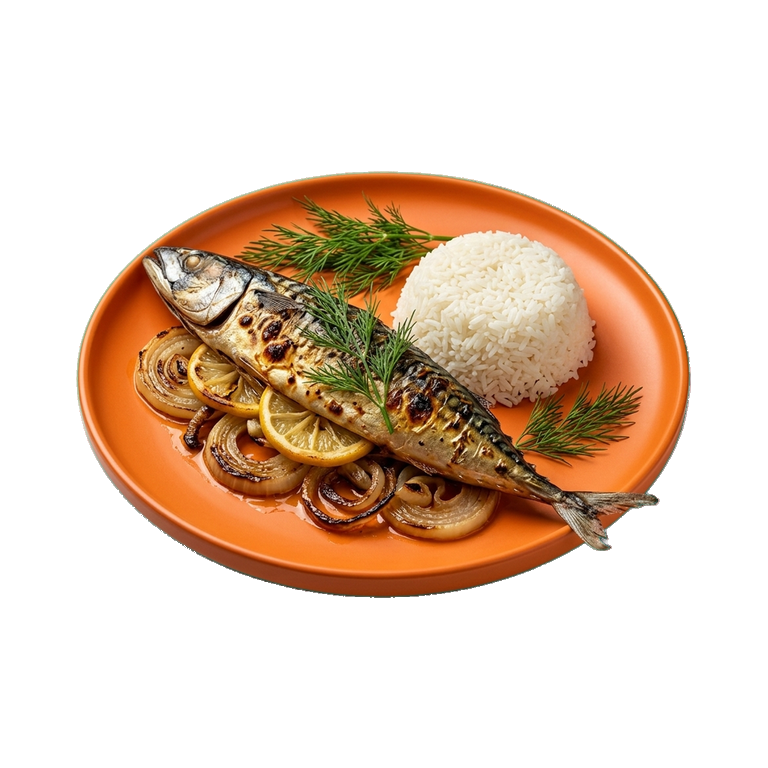
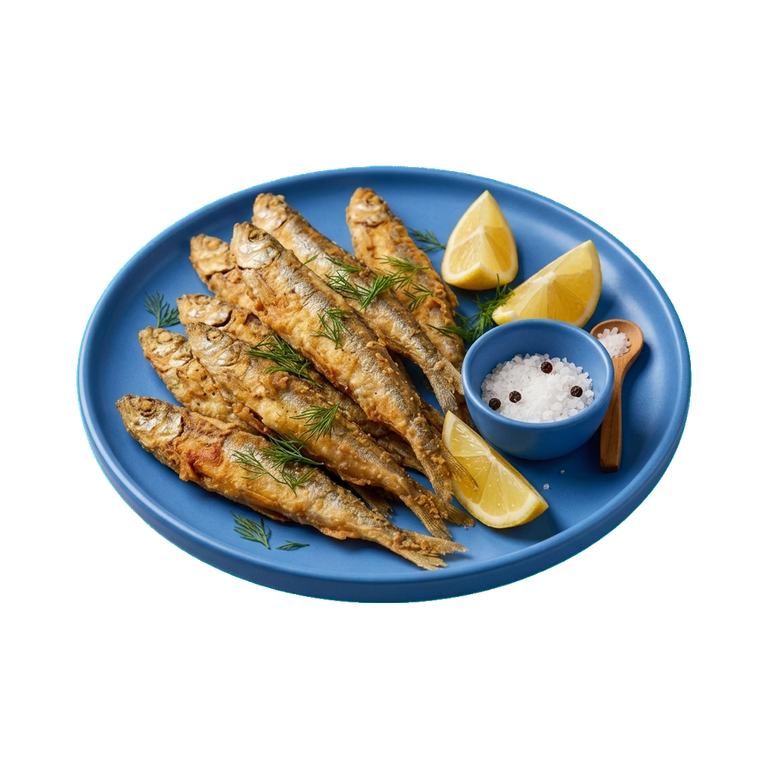
Sprinkle the seasoning on the fillet or whole fish a few minutes before cooking — a pinch per serving is enough. It adheres well to a moist surface, so pat the fish dry with paper towels before seasoning. When frying in a pan, the seasoning will lightly brown and release its aromas into the oil, creating a fragrant crust. When baking in the oven, the spices open up more slowly and evenly.
Fish seasoning works great not only with fish itself, but also with seafood — shrimp, squid, mussels. You can mix it with soft butter for sandwiches, sprinkle it over finished soup, or use it as part of a marinade together with olive oil and vinegar. If you're making fish sauce or gravy, a pinch of this seasoning will add authenticity to it.
Selection and Storage
When choosing, pay attention to the color and smell — the seasoning should look fresh, with visible pieces of herbs, not turned into gray powder. Smell it: the aromas of dill, lemon, and garlic should be noticeable. Avoid mixtures with an excessively salty smell — salt is easy to add on your own, but it's impossible to remove it later.
Store the seasoning in an airtight glass jar in a dark, cool place — away from the stove and direct sunlight. When stored properly, it retains its aroma and flavor for 6–8 months. If the mixture starts to lose its scent or has darkened, it's time to replace it with a fresh one. Before using, make sure there is no moisture in the jar — humidity causes clumping and spoilage.
Nutrition
per 100 g
- Calories
- 250 kcal
- Protein
- 10 g
- Fat
- 5 g
- Carbs
- 40 g
Measures and weight
- 1 tbsp
- 9 g
- 1 tsp
- 3 g
- 1 cup
- 150 g
Measure calculator
- Weight
- 100 g
- Calories
- 250 kcal