Usuba
Usuba
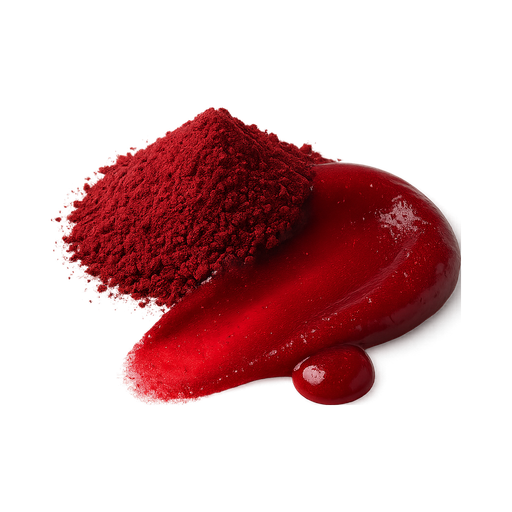
Food coloring
Food coloring is an additive that gives dishes and beverages the desired color and makes them more visually appealing. Colorants can be natural (from beets, turmeric, spirulina) or synthetic, with each type having its own intensity and stability when heated. When using, it is important to follow the recommended dosages, as excess can spoil the taste of a dish, and synthetic options require checking their permissibility in your country.
About
Food coloring is not just a way to make a dish look beautiful. It is a tool that helps restore the natural color to products that have lost it during processing, or create the desired shade where it never existed. In a home kitchen, coloring works more modestly than in a pastry shop, but its role is no less important.
What paints to choose
- Natural dyes work more gently and safely. Beets, turmeric, spirulina, cocoa — these are food products that color while adding flavor.
- Synthetic dyes are brighter and more stable. They don't fade, don't lose intensity when heated or in contact with acid, but require careful dosing.
- Gel and liquid paints are the most convenient for home use — easy to dose and distribute evenly in dough or cream.
- Dry powders are more economical and have a longer shelf life, but need to be mixed more carefully to avoid lumps.
Main rule: start with a drop or a pinch. It's easier to add dye than to remove it. Synthetic paints are concentrated — a few drops often give an already saturated color. Natural dyes require more, but work more gently.
Where food coloring is really needed
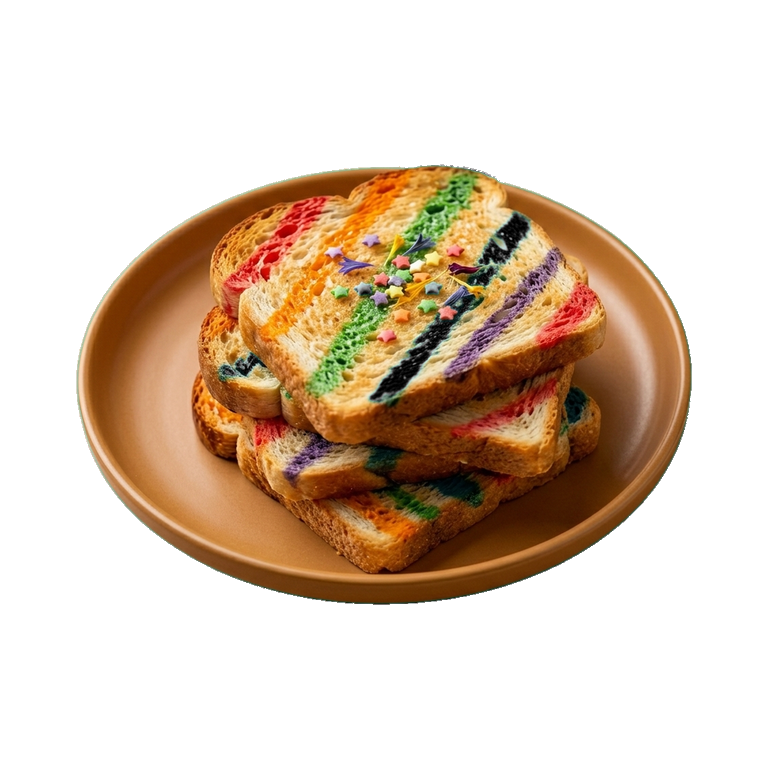
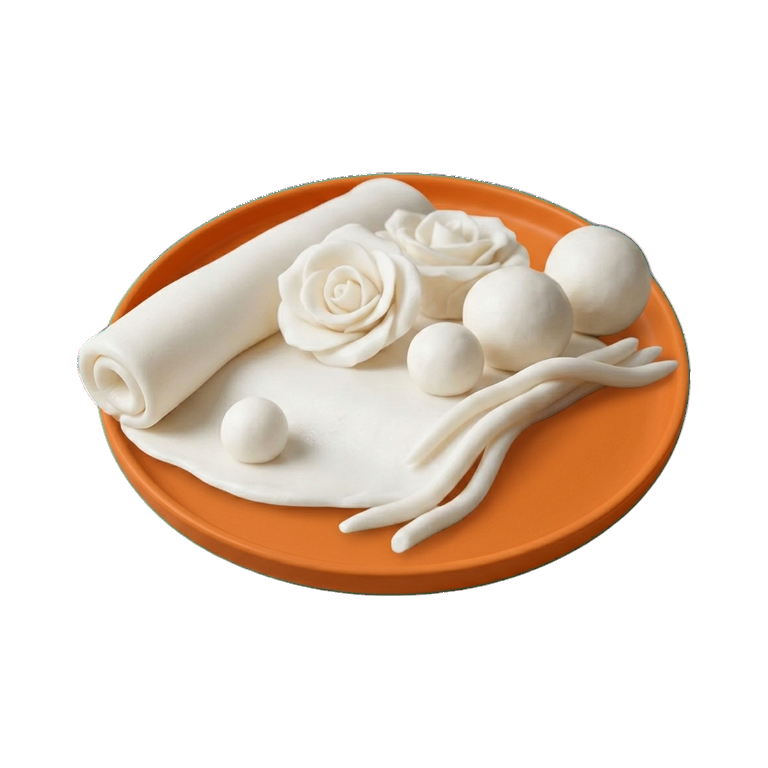
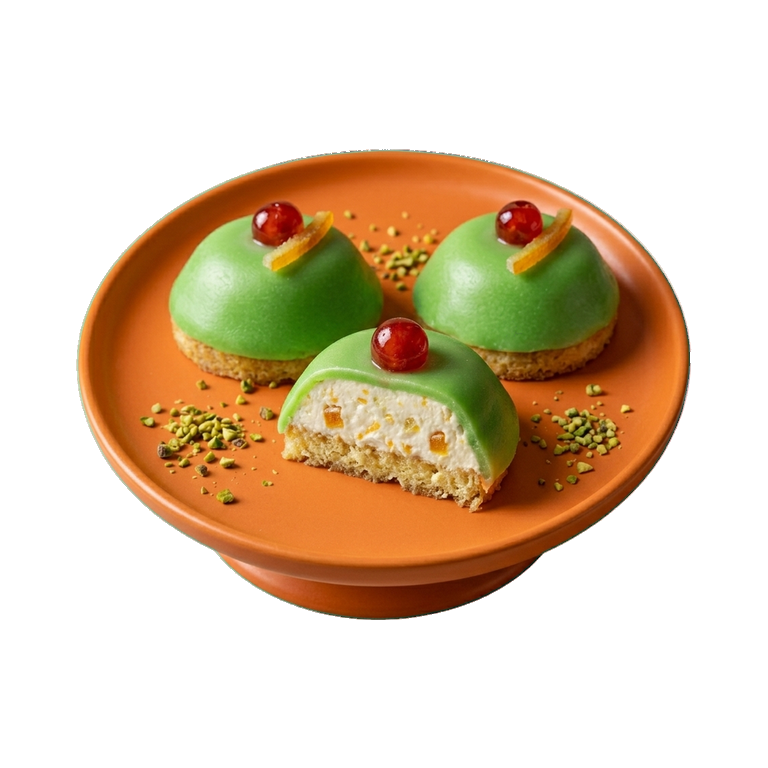
- Confectionery products: creams, fondant, marzipan, cookie dough. Here the coloring shines in all its glory and does not compete with other flavors.
- Beverages and cocktails. The dye transforms an ordinary drink into a festive one, and it is clearly visible in the glass.
- Glazes and sauces. A thin layer of coloring makes the dish more appetizing without overloading the taste.
- Pasta and pasta dough. Colored pasta looks elegant and immediately hints at flavoring additives (spinach, beets, squid ink).
In hot dishes, color often loses its brightness or changes its shade. If you are coloring soup or sauce, remember that the color may become less saturated. Natural dyes are especially sensitive to temperature and acidity.
Storage and Security
- Liquid paints are stored in closed bottles at room temperature, away from light. The shelf life is usually 1–2 years.
- Dry powders are kept in airtight containers in a cool place. They can be stored for years if they don't get wet.
- Natural paints spoil faster. Freshly squeezed beet juice or turmeric is best used immediately or stored in the refrigerator for a few days.
Check the manufacturing date and ingredients. Quality food coloring should have a certificate and indication of food safety. If cooking for children, choose natural options or proven synthetic colorants with a good reputation. Never use paints for crafts or textiles — that's poison.
Food coloring is a helper, not the main character. It works best when it doesn't draw attention to itself, but simply makes the dish more appetizing. Start small, experiment with natural options, and you'll find your own approach to this simple yet effective ingredient.
Nutrition
per 100 g
- Calories
- 0 kcal
- Protein
- 0 g
- Fat
- 0 g
- Carbs
- 0 g
Measure calculator
- Weight
- 100 g
- Calories
- 0 kcal