Usuba
Usuba
French Herb Blend
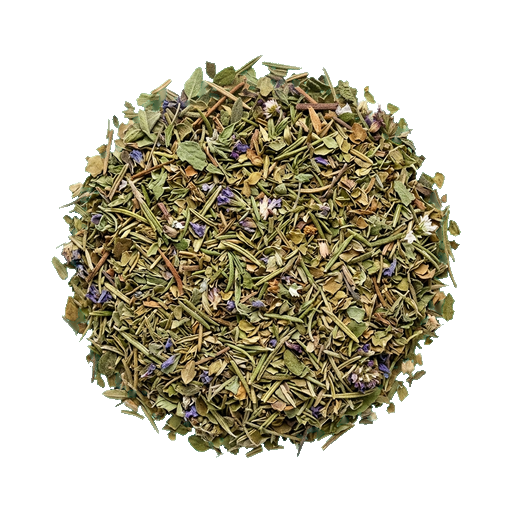
An aromatic blend of dried herbs dominated by thyme, rosemary, and marjoram, often complemented by tarragon and other Provençal plants. It boasts a rich, slightly spicy flavor with earthy notes and a fresh aftertaste, making it ideal for seasoning meat, poultry, vegetables, and fish. When adding to hot dishes, it's best to add a few minutes before serving to preserve the aroma, while for cold sauces and marinades, it can be used more generously.
About
French herb blend is a ready-made composition of dried plants that saves time on spice preparation and guarantees a balanced flavor. In one jar are gathered herbs that French chefs have used together for centuries, because they complement each other rather than compete for the attention of your taste buds.
Aroma and Taste
Open the jar — and you'll feel a complex, multi-layered aroma. There is no single dominant note. Instead, thyme gives warm, slightly peppery notes, parsley adds freshness and a light bitterness, and marjoram creates a soft background aroma with a hint of sweetness. If the blend contains bay leaf, it imparts a noble depth. The flavor turns out to be rounded, herbal, but not sharp — rather delicate and respectful of the main ingredient of the dish.
Dried herbs concentrate flavor, so a pinch of such a mixture works more powerfully than a handful of fresh sprigs. But this doesn't mean you should fear overdoing it — French herbs rarely become cloying, even if you add them generously.
Where and how to use
This blend is versatile and works everywhere you need subtle herbal support. Sprinkle it on fried chicken a minute before it's done, add it to soup or stew during the simmering stage, dust it over baked fish, or put it in a marinade for meat. French herbs are appreciated with vegetable side dishes, potatoes, eggs, and creamy sauces.
- Add to hot dishes at the end of cooking or stewing so the herbs release their aroma without losing their flavor nuances
- For cold appetizers and salads, you can mix with oil in advance — the herbs will infuse and reveal the fullness of flavor
- In soups and broths, the mixture works best: hot liquid draws out all the aromas
- For breading meat or fish, mix the herbs with breadcrumbs and salt
Selection and Storage
Choose a blend with a rich color — the herbs should be green or grayish-green, not brown. Smell it: the aroma should be fresh and clear, without mustiness. Check the packaging date — dried herbs retain their flavor for about a year, after which they begin to fade.
Keep the mixture in an airtight glass jar in a dark cabinet, away from heat and moisture. Direct sunlight will quickly fade the herbs, and moisture can lead to mold. Do not place the jar above the stove — temperature fluctuations accelerate the loss of aroma. With proper storage, the mixture maintains its quality for several months.
French herbs are not exotic — they are a practical tool for everyday use. They come to the rescue when you don't have time for fresh plants, and they add a professional touch to simple home-cooked dishes. Start with a small amount and experiment — you'll quickly discover which dishes they blend into most naturally.
Nutrition
per 100 g
- Calories
- 280 kcal
- Protein
- 12 g
- Fat
- 5 g
- Carbs
- 40 g
Measures and weight
- 1 tbsp
- 4.5 g
- 1 tsp
- 1.5 g
- 1 cup
- 75 g
Measure calculator
- Weight
- 100 g
- Calories
- 280 kcal