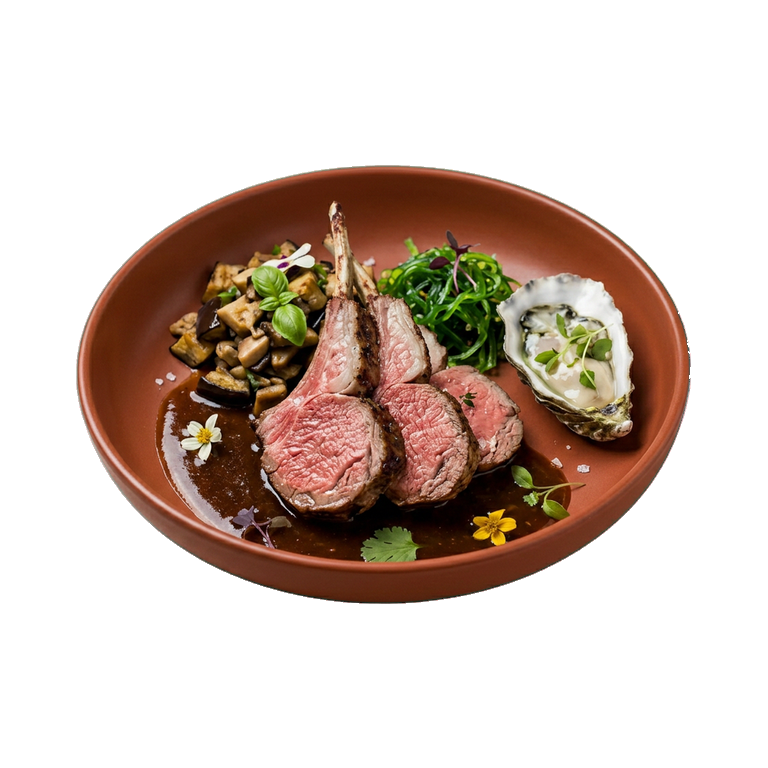
Usuba
Usuba
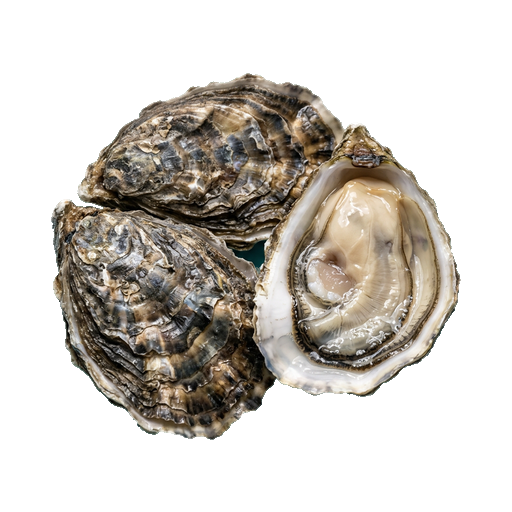
Fresh oysters
Delicate sea mollusks with tender, slightly sweet meat and a distinctive iodine aroma, typically eaten raw, most often served on ice with lemon juice. Oysters require maximum freshness — choose tightly closed shells without cracks, store in the refrigerator at 2–4 °C, and prepare on the day of purchase or the next day. Open oysters carefully with a special knife, holding the shell with a towel to avoid cuts and preserve the precious juice inside.
About
Fresh oysters are a seafood delicacy that requires minimal processing and maximum respect for their flavor. When you buy a live oyster, you get not just a product, but a whole experience: the saltiness of seawater, tender flesh, and a barely perceptible iodine aroma. This is one of the few products where quality almost entirely depends on freshness and storage conditions.
Main rule: the oyster must be alive. A closed shell is the first sign that the mollusk is in good condition. If the shell is slightly open, tap on it: a live oyster should close. The smell should be marine, fresh, with no hint of rot or ammonia.
Taste and Texture
The taste of an oyster depends on where it grew. Different regions produce different profiles: some are sweeter and more delicate, others are saltier and more mineral. The texture should always be firm, slightly slippery, but not slimy. When you eat an oyster, the meat should separate easily from the shell.
Inside the shell there is always liqueur — the oyster's own juice. This is not water that needs to be discarded, but part of the flavor. It is in this juice that all the sea aromatics are concentrated. Good liqueur is transparent, without cloudiness or sediment.
How to Serve and Cook
The classic way is to serve oyster raw on ice with lemon wedges and mignonette sauce (a mixture of vinegar, shallot, and pepper). Ice chills the flesh and emphasizes its freshness. Lemon adds acidity, which reveals subtle flavor nuances.
- Oyster on a garnish of sea salt and seaweed — a simple way to highlight the natural flavor
- Baked with butter and breadcrumbs — a more hearty option for those who are afraid of raw oysters
- As part of soups and pasta — oyster gives its flavor to the broth, but loses its texture
- With champagne or dry white wine — a classic pairing where the acidity of the wine balances the saltiness of the meat
Selection and Storage
Buy oysters from trusted sources where they are stored properly. The shell should be intact, without cracks or chips. Weight is a good indicator: a heavy oyster means there's plenty of liquor inside, a light one may be overdried.
At home, oysters are stored in the refrigerator with the flat side of the shell facing up to prevent the liquor from leaking. Cover them with a damp cloth or place them in a container with ice. Live oysters can be stored for up to two weeks, but it is best to eat them within a few days. Never place oysters in fresh water — they will die.
Open the oyster just before serving using a special knife with a hand guard. Insert the knife into the narrow edge of the shell and turn it carefully until the shell opens. Cut the muscle that holds the meat, but leave it inside — this makes it easier to eat.
Fresh oysters are not just food, they are a way to feel the sea. They require attention to detail, but reward you with an unforgettable taste. Start with a simple way of serving, listen to your sensations, and you will understand how you like this delicacy the most.
Nutrition
per 100 g
- Calories
- 81 kcal
- Protein
- 9 g
- Fat
- 2.3 g
- Carbs
- 4.9 g
Measures and weight
- 1 pcs
- 50 g
Measure calculator
- Weight
- 100 g
- Calories
- 81 kcal