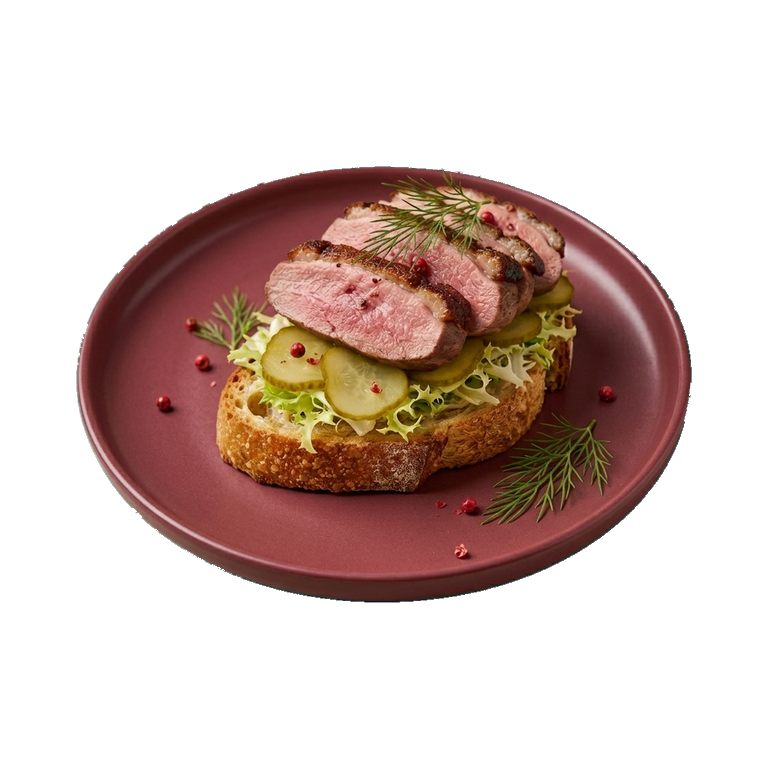
Usuba
Usuba
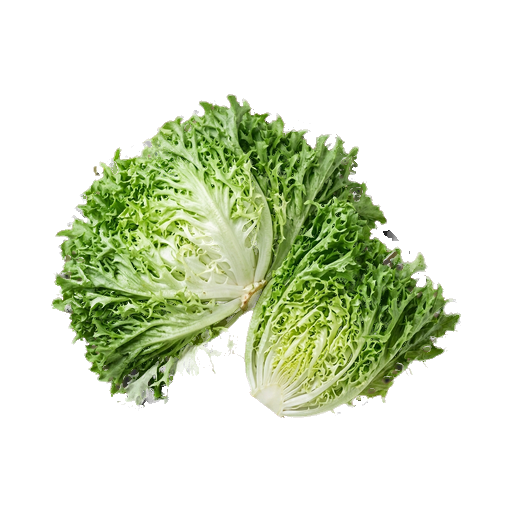
Frizée Salad
Curly salad with thin, wavy leaves of light green or yellow color, belonging to the chicory family. It has a slightly bitter, piquant taste with nutty notes, making it an ideal complement to light oil and vinegar-based dressings. The leaves are crispy and firm, holding their shape well in salads, and are often used as a base for compositions with warm ingredients, bacon, or cheese, which balance out the bitterness.
About
Frisée is not just a salad, but an entire architecture of curly leaves that create an airy, almost weightless structure on the plate. Its wavy edges and dense texture make it one of the most striking salads for dish presentation, but most importantly, behind the beauty lies true flavor. Frisée leaves are slightly firmer than delicate varieties, so they hold their shape well and don't become soggy under dressing.
Taste and texture
Frisée has a slightly bitter, piquant taste with herbaceous notes. It's not a delicate and neutral salad — it has character. The outer leaves are darker and more intense in flavor, while the inner, almost white leaves are softer and more delicate. This contrast allows you to create interesting combinations even in a single salad. The texture is dense and crispy, and the leaves maintain their crunchiness for a long time.
How to use in the kitchen
Frizee is ideal for salads where structure and expressiveness are needed. Its slightly bitter taste is perfectly balanced by sweet components — caramelized vegetables, sweet vinaigrette, or honey dressing. Large curly leaves work well in salads where every element is visible and appreciated. Use frizee in classic French salads, combine it with bacon, cheese, pear, or walnuts.
Successful Pairings
- With smoked meat, bacon or ham — the bitterness of the salad emphasizes saltiness and smokiness
- With blue cheese or gorgonzola — both ingredients have a pronounced flavor and complement each other perfectly
- With fruits — pear, apple, persimmon or pomegranate add sweetness and balance the bitterness
- With nuts — walnuts, pine nuts or almonds add texture and richness
- With hot components — warm croutons, fried mushrooms or vegetables contrast with crispy leaves
Dressings for Frisee
Thanks to the dense structure of frisée leaves, it handles richer, thicker dressings well. Classic vinaigrette with mustard, balsamic vinegar, nut oil, or creamy yogurt-based sauces — they all have their place here. Avoid only very light, watery dressings: they will simply slide off the curly leaves.
Selection and Storage
When shopping, pay attention to the firmness of the leaves — they should be dense and not wilted. The curls should be well-formed, without dark spots or damage. The color varies from pale green on the inner part to more saturated and even slightly reddish at the edges — this is normal and even desirable.
Frizee lasts longer than tender lettuce varieties thanks to the density of its leaves. Keep it in the refrigerator in a plastic container or wrapped in paper towels — this way it will stay fresh for up to a week. Before using, rinse the leaves with cold water and dry them thoroughly: excess moisture will spoil the texture and dilute the dressing.
Nutrition
per 100 g
- Calories
- 14 kcal
- Protein
- 1.3 g
- Fat
- 0.2 g
- Carbs
- 2 g
Measures and weight
- 1 pcs
- 150 g
- 1 bunch
- 150 g
Measure calculator
- Weight
- 100 g
- Calories
- 14 kcal