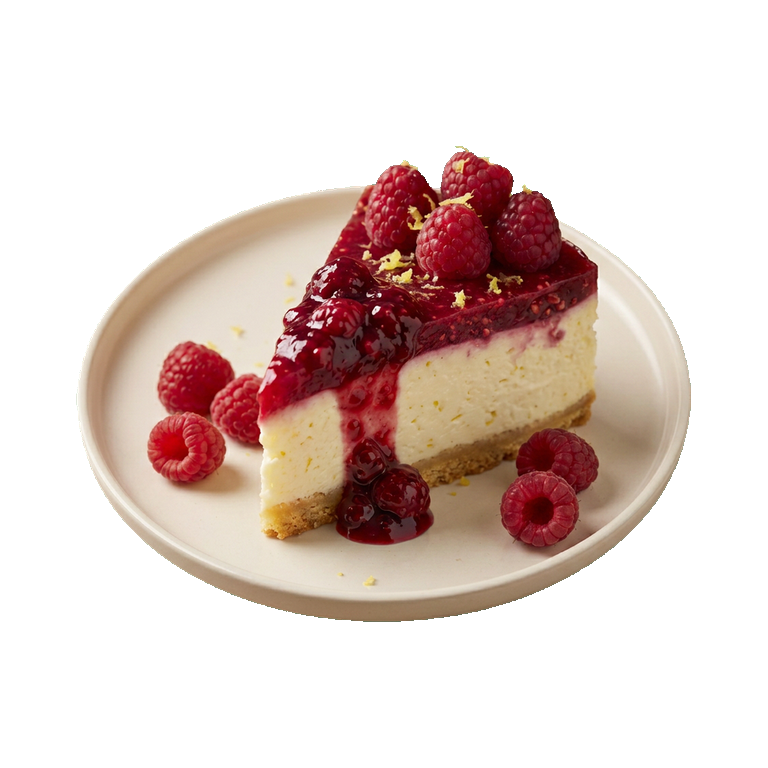
Usuba
Usuba
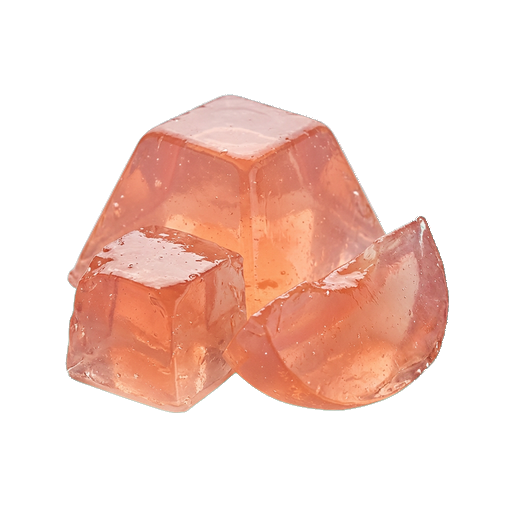
Fruit Jelly
A transparent or translucent jelly made from fruit juice or puree, set with gelatin or pectin. Used as a standalone dessert, filling for baked goods, glaze for cakes, or component in complex multi-layered puddings. When choosing, it's important to consider consistency — firm jelly holds its shape better in tiered constructions, while delicate jelly is suitable for creamy layers.
About
Fruit jelly is a transparent, elastic mass that holds its shape and literally melts on your tongue. It is made from fruit juice or puree with the addition of a gelling agent, most often gelatin or pectin. Unlike jam, jelly does not contain pieces of fruit, so its texture is uniform and smooth. This makes it ideal for those who love pure fruit flavor without unnecessary inclusions.
Taste and Aroma
The taste of fruit jelly depends on which fruits were used. Raspberry jelly gives a light tartness and berry sweetness, blackcurrant jelly offers a more intense and tangy profile, while apple jelly is more delicate and subtle. The aroma is usually concentrated: since jelly has no solid pieces, the fruity scent seems even more pronounced. Quality jelly smells like fresh fruit, not sugar.
Where and how to use it
Fruit jelly is versatile: it's spread on bread, added to yogurt, cottage cheese, and ice cream, and used as a filling in cakes and pies. It works great as a glaze for baked goods — giving shine and fruity flavor. If you need to make a sauce for meat or poultry, jelly is dissolved in warm water or wine. It's even added to cocktails for sweetness and texture.
- Sandwiches and toast with butter or cheese
- Filling for cookies and pies
- Layer in multi-layer desserts
- Decoration and icing for cakes
- Additive in porridges and cottage cheese dishes
How to Choose and Store
When choosing jelly, pay attention to the composition: it is better if it contains only fruits, sugar, and gelling agent, without unnecessary thickeners and dyes. The color should be natural for the selected fruit — not too bright and artificial. The consistency of good jelly is elastic: if you shake the jar, it should tremble but not spread. Check the production date and expiration date on the package.
Store a sealed jar of jelly in a cool, dark place — in a pantry or cupboard. After opening, transfer the contents to a glass container, cover with a lid, and place in the refrigerator. It will keep for 2–3 weeks. If you are making jelly at home, pour it into sterilized jars and seal while hot — this way it will keep for several months. If the jelly begins to separate or an unpleasant smell appears, do not use it.
Fruit jelly is not just a sweet addition to breakfast. It's a way to preserve the taste of fruits for a long time and use it in the most unexpected dishes. Its texture allows you to experiment: from classic sandwiches to signature desserts and sauces. Choose quality jelly with an honest composition, and it will become a faithful helper in your kitchen.
Nutrition
per 100 g
- Calories
- 61 kcal
- Protein
- 1.4 g
- Fat
- 0.1 g
- Carbs
- 14.5 g
Measures and weight
- 1 tbsp
- 16.5 g
- 1 tsp
- 5.5 g
- 1 cup
- 275 g
Measure calculator
- Weight
- 100 g
- Calories
- 61 kcal