Usuba
Usuba
Galangal
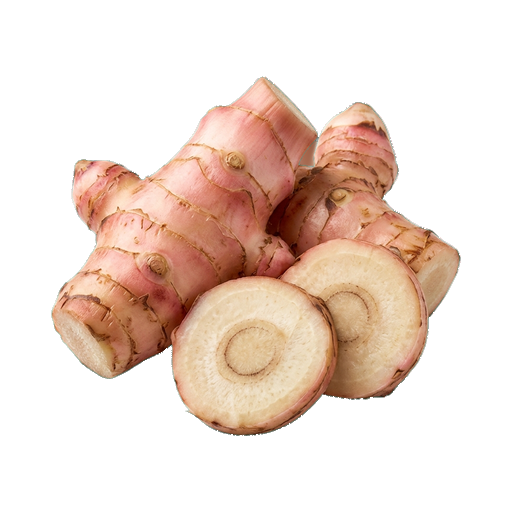
Galangal is a rhizome of a tropical plant with a sharp, slightly camphoraceous flavor and spicy aroma, often called "blue ginger" due to its visual similarity. In Asian cuisine, it is used in curries, soups, and sauces, adding a deep spicy note with a subtle bitterness to dishes. When selecting, look for firm rhizomes without soft spots, and when substituting for ginger, keep in mind that galangal is less sweet and more intense, so less of it is needed.
About
Galangal is a rhizome similar to ginger, but with its own character. While ginger is hot and warming, galangal is cooler, with coniferous and peppery notes. In hand, it is denser and lighter in color, with ring-like stripes on the cut. The taste is sharp but not hot, with a slight bitterness and a camphor undertone — this is what distinguishes it from all other spices.
Aroma and flavor profile
When you cut fresh galangal, you can smell a piercing aroma — simultaneously sharp and coniferous, with a hint of pine and juniper. In your mouth, it first gives a cooling sharpness, then a slight bitterness and piquancy appear. Dried galangal concentrates the flavor and becomes more camphoraceous, almost medicinal. Ground galangal loses its freshness but retains its sharpness, so it's better to use it in dishes where deep spiciness is needed rather than bright freshness.
Where to cook it
- Asian soups — galangal is essential in Thai tom yam soup and other spicy broths, where it adds piquancy and a cooling note
- Curries and paste — fresh galangal, ground into a paste with other spices, creates the base for red or yellow curry
- Marinades for meat and fish — the spiciness and camphor flavor help mask strong odors and add depth
- Drinks and infusions — dried galangal is brewed in tea or used in hot beverages for a warming effect
- Side dishes and rice — small pieces of galangal are cooked together with rice to give it a delicate spiciness
What it pairs with
Galangal works well alongside lemongrass, lime, and coconut milk — this trio creates a classic Thai flavor. It pairs nicely with garlic, ginger, and chili pepper, enhancing their spiciness. With seafood, galangal reveals itself in a new way: its piney notes highlight the freshness of shrimp and squid. In meat dishes, it functions as a counterpoint to richness — cooling and refreshing the palate.
How to choose and store
Fresh galangal should be firm, without soft spots or mold. The color should be light yellow or creamy, with smooth skin. The aroma should be sharp and fresh, without mustiness. Store it in the refrigerator in a paper bag or plastic container for up to two weeks. If you need to keep it longer — freeze whole pieces in the freezer, they will retain their flavor for months. Dried galangal is stored in an airtight jar in a dark place for a year or more, but gradually loses its aroma.
Dosage
Fresh galangal is sliced thinly or cut into pieces — for a soup serving four people, a piece the size of a finger bone is enough. In paste, it is ground together with other ingredients, adjusting to taste. Dried galangal is more concentrated: a teaspoon of ground galangal is enough for a large pot of broth. Start with a smaller amount — galangal is easier to add than to remove.
Remember this: galangal is not a substitute for ginger, but its companion. They differ in character, but both are essential in your arsenal if you're serious about cooking Asian cuisine.
Nutrition
per 100 g
- Calories
- 71 kcal
- Protein
- 1.5 g
- Fat
- 0.7 g
- Carbs
- 15 g
Measures and weight
- 1 pcs
- 50 g
Measure calculator
- Weight
- 100 g
- Calories
- 71 kcal