Usuba
Usuba
Gin
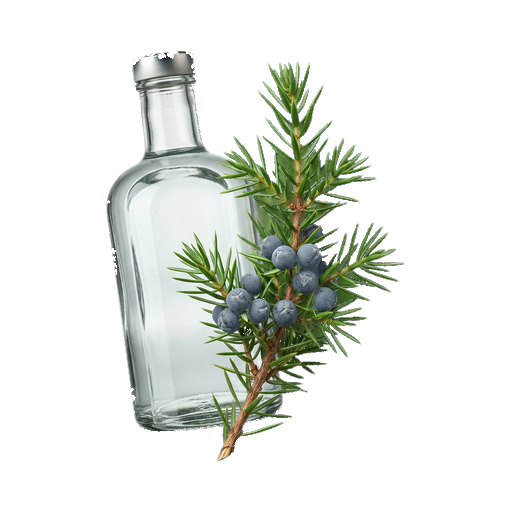
A strong alcoholic spirit based on grain alcohol with a distinctly pronounced juniper aroma and spicy herbs. In cooking, it is used for preparing cocktails, marinades for meat and fish, as well as an ingredient for sauces and desserts. When choosing gin, pay attention to the botanicals content — the intensity of flavor and how well the spirit will harmonize with other dish components depend on their composition.
About
Juniper aroma in the kitchen
Gin is a spirit that works in cooking not just as alcohol, but as a flavoring agent. Its main treasure is juniper, which gives the drink a coniferous, slightly spicy base. Around this core revolve notes of citrus, spices, herbs, and flowers, depending on which botanicals the producer added. In dishes, gin reveals itself quite differently than in a cocktail: when heated, its volatile components unfold more vividly, and the alcohol evaporates, leaving a clean flavor profile.
Where gin works in the kitchen
Gin goes into marinades for fish and seafood — its aromatics enhance the delicacy of marine flavors, while the alcohol helps soften the fibers. A couple of tablespoons can be added to a sauce for duck or game to cut through the heaviness of fat and bring freshness. In desserts, gin works more delicately: it's added to syrups for pears, in compotes, or in cookie dough, where it leaves a barely perceptible coniferous hint.
Combinations and Proportions
Gin pairs well with lemon and lime — citric acid brings out its herbal notes. Works excellently with rosemary, thyme, and juniper in marinades. Compatible with black pepper, coriander, and cardamom. When cooking, use 50–100 ml of gin per kilogram of product in the marinade; add to sauces by the tablespoon and let the alcohol evaporate over heat for 2–3 minutes.
Culinary Selection
For cooking, you don't need premium gin with rare botanicals — choose a classic one with clean juniper and a clear spicy base. Check the strength: standard gin with 40% alcohol will evaporate sufficiently during cooking. If you plan to add gin to a marinade that won't be heated, choose a higher quality option so the aroma is brighter and more pleasant.
Storage
Gin is stored in a dark place at room temperature, away from direct sunlight. Once opened, use the bottle within a few months — volatile aromas gradually lose their intensity. Gin that is tightly sealed in a dark glass bottle will not spoil for years, but the flavor will be at its peak in the first year after opening.
Nutrition
per 100 ml
- Calories
- 69 kcal
- Protein
- 0 g
- Fat
- 0 g
- Carbs
- 0 g
Measures and weight
- 1 tbsp
- 11.9 g
- 1 tsp
- 4 g
- 1 cup
- 197.5 g
Measure calculator
- Weight
- 100 g
- Calories
- 87 kcal