Usuba
Usuba
Glucose powder
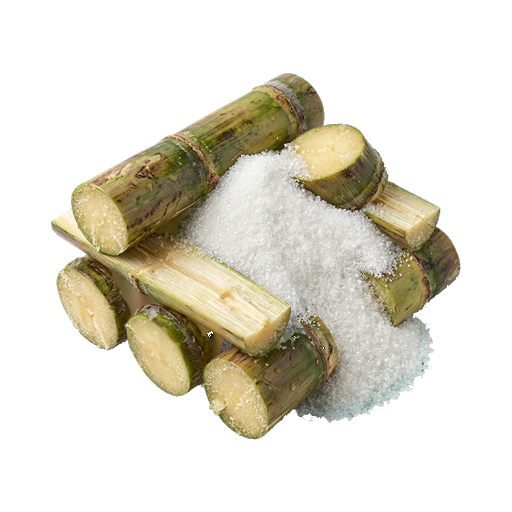
Glucose in the form of white crystalline powder is a simple sugar that dissolves quickly in liquids and is used in cooking to add sweetness and improve the texture of desserts, beverages, and sauces. It is less sweet than regular sugar, but has the ability to retain moisture, making it essential when preparing soft candies, glazes, and creams, and also helps prevent crystallization. When choosing, it is important to ensure that the powder is fine and lump-free, and when substituting regular sugar, keep in mind that a larger quantity of glucose will be needed to achieve the same level of sweetness.
About
Powdered glucose is not just a sweet substance, but a working tool that changes the texture, stability, and flavor of finished dishes. Unlike ordinary sugar, it dissolves quickly, does not crystallize in the finished product, and imparts a delicate, smooth consistency. Chefs and pastry chefs value it for its predictability: it behaves the same in any conditions, requires no special manipulations, and holds no surprises.
Taste and Texture
Glucose is sweet, but less intensely than sugar. It provides pure sweetness without bitterness, doesn't overpower the main flavors of the dish, but complements them. In powder form, it dissolves instantly without leaving crystalline residue on the tongue. This is especially important in mousses, soufflés, frozen desserts, and creams, where smoothness is the main quality criterion.
Where it is used
- In confectionery creams and ganaches — provides silkiness and prevents crystallization
- In ice cream and sorbets — improves structure, makes consistency more delicate
- In jams and preserves — helps achieve the desired viscosity without lumps
- In beverages and syrups — dissolves completely, creates a clean taste
- In baked goods — participates in crumb formation, affects moisture content of the finished product
Combinations and Proportions
Glucose works well in combination with cocoa, vanilla, fruit purees, and liqueurs. It can be mixed with regular sugar or partially replace it. The usual proportion is 20–30% of the total amount of sugar in the recipe, but it all depends on the desired result. In creams and mousses, it often goes 50/50 with sugar. Experiment: the higher the percentage of glucose, the smoother and softer the texture will be.
How to Choose and Store
Pay attention to the whiteness of the powder — it should be pure white without lumps and moisture. Check the packaging: it should be hermetic and protected from light. The smell should be neutral, sweet, without any foreign impurities.
Store glucose in a dry place at room temperature, away from direct sunlight and humidity. If moisture enters the container, the powder will clump together. An airtight container or jar with a tight-fitting lid is ideal. With proper storage, glucose maintains its properties for years.
Powdered glucose is not an exotic ingredient, but a helper that makes confectionery work easier and results more reliable. If you seriously cook desserts, you should keep it in stock.
Nutrition
per 100 g
- Calories
- 380 kcal
- Protein
- 0 g
- Fat
- 0 g
- Carbs
- 95 g
Measures and weight
- 1 tbsp
- 10.5 g
- 1 tsp
- 3.5 g
- 1 cup
- 175 g
Measure calculator
- Weight
- 100 g
- Calories
- 380 kcal