Usuba
Usuba
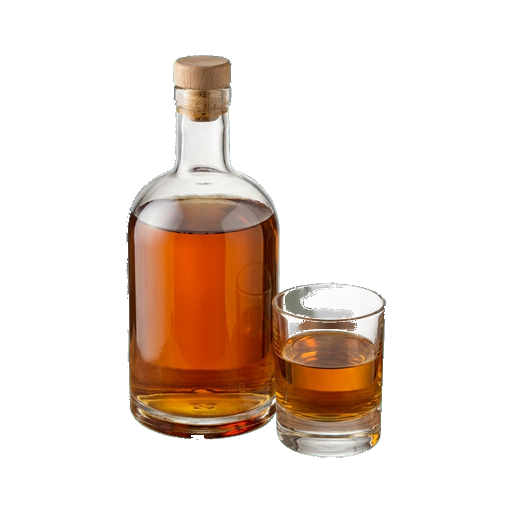
Gold rum
Golden rum is a strong spirit of light brown color, aged in oak barrels and acquiring a smooth, balanced taste with notes of vanilla, caramel, and spices. In cooking, it is used for preparing cocktails, marinades for meat and fish, as well as added to desserts and sauces to impart depth and a slightly sweet aftertaste. When substituting with another rum, keep in mind that golden rum occupies a middle position between light white and rich dark rum, making it well-suited both for beverages and culinary recipes where a balance of aroma and not overly intense flavor is needed.
About
Golden rum occupies a special place between light and dark varieties. Its amber color and smooth character make it a versatile kitchen companion — equally good in a cocktail, dessert, or marinade. Unlike clear rum, it already has depth of flavor, but without the heaviness that dark rum carries. It's the middle ground that works almost everywhere.
Taste and Aroma
Golden rum smells of caramel, vanilla, and ripe fruits — this is the result of aging in oak barrels or the addition of caramel syrup. To the taste it is sweetish, but not cloying, with a light woody note and pleasant roundness. The strength usually stays at around 37–40 degrees, which allows the drink to remain soft, yet noticeable.
When you add golden rum to a dish, it's not just alcohol — it brings sweetness, aroma, and a subtle caramel depth. This is important to remember when cooking: rum won't hide in the sauce, it will be noticeable, so choose dishes that welcome this flavor.
Role in dishes
In cooking, golden rum most often works in sweet directions. It is ideal for meat marinades — especially for pork and poultry, where its sweetness balances saltiness and smokiness. Add rum to a glaze, and it will acquire shine and complexity. In desserts, it will enhance caramel notes and add piquancy.
- Sauces for meat and fish — rum softens the spiciness and adds sweetness
- Marinades — especially for smoking and grilling
- Desserts — cupcakes, puddings, ice cream, chocolate dishes
- Cocktails — mojito, daiquiri, mai tai, cuba libre
- Fruit compotes and jams — will enhance the aroma
Pairings and Harmonies
Golden rum pairs well with vanilla, cinnamon, nutmeg, and cloves — spices enhance its warm profile. With citrus (lemon, orange, lime) it creates a bright contrast. Chocolate, caramel, and coconut are its natural companions. In savory dishes, rum works with ginger, garlic, and soy sauce, creating an interesting balance.
Selection and Storage
When choosing, pay attention to the color — it should be clear, golden, without cloudiness. Read the label: if aging is indicated (for example, 3 years), this speaks to quality. For cooking, mid-range priced rum is suitable — expensive premium versions are better enjoyed neat. Check the strength: for cooking, 37–40 degrees is ideal.
Store rum in a dark, cool place, in a sealed bottle. Alcohol preserves itself, so an open bottle can sit for months without losing quality. But if you rarely cook with rum, buy small quantities — the taste may change over time.
Gold rum is not exotic, but a working ingredient. It makes dishes softer, sweeter, and more aromatic. If you haven't cooked with rum yet, start with gold — its character is universal, and the result is almost always successful.
Nutrition
per 100 ml
- Calories
- 231 kcal
- Protein
- 0 g
- Fat
- 0 g
- Carbs
- 0 g
Measures and weight
- 1 tbsp
- 14 g
- 1 tsp
- 4.7 g
- 1 cup
- 232.5 g
Measure calculator
- Weight
- 100 g
- Calories
- 248 kcal