Usuba
Usuba
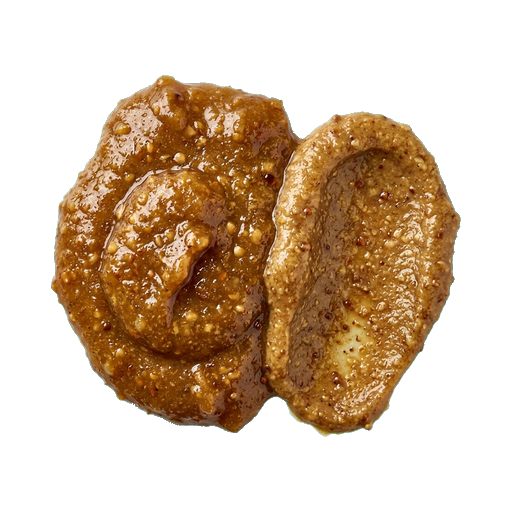
Bavarian Mustard
Bavarian mustard is a mild, sweet and spicy condiment with a pronounced aroma of spices and barely noticeable graininess. Its characteristic flavor comes from the addition of sugar, honey, and sometimes fruit syrups, making it less pungent than classic yellow mustard. It is used as a versatile sauce for sausages, hot dogs, pretzels, and meat dishes, and also works well for marinades and dressings, adding a delicate sharpness without harshness.
About
Soft mustard with fruity character
Bavarian mustard is a completely different class of condiment than sharp black varieties. It is thick, dark brown, with noticeable graininess and a slightly sweet taste. The base consists of brown mustard seeds, but they are not ground into powder; instead, they are left partially whole, which gives it a characteristic texture and smoothness. Added sugar, vinegar, and spices create a balanced flavor — there is sharpness, but it is delicate and not aggressive.
Taste and Aroma
Bavarian mustard unfolds gradually on the palate. First, you notice a light sweetness and piquancy, then comes a warm, but not burning mustard note. The aroma is subtle, with a hint of spices, without the sharp ammonia smell characteristic of hot varieties. This makes it ideal for those who appreciate mustard but prefer harmony over heat.
Where to use it
Bavarian mustard is a universal kitchen helper. Its mild flavor works well with sausages and hot dogs, especially when combined with pretzels or buns. Add it to meat sauces, use it as a base for marinades, mix it with mayonnaise for sandwiches. It pairs well with smoked meats, ham, and pâtés. In salads with meat or cheese, Bavarian mustard doesn't overpower other flavors but complements them.
- A classic pairing with sausages and hot dogs
- In marinades for pork and beef
- As a component in grilling sauces
- In appetizers with cheese and cured meat
- In salad dressings with added oil and vinegar
Selection and Storage
When choosing, pay attention to the consistency — it should be homogeneous, without separation. Dark brown color, uniform. Good Bavarian mustard contains visible grains, not a smooth paste. It stores well in a cool place, away from direct sunlight. After opening, keep the jar in the refrigerator — mustard won't spoil for months, but over time it may lose the freshness of its aroma.
Bavarian mustard is a compromise between a sharp condiment and a delicate sauce. It works where sharpness is needed, but aggressiveness is not desirable, where texture matters, and where mustard should support a dish rather than dominate it.
Nutrition
per 100 g
- Calories
- 150 kcal
- Protein
- 6 g
- Fat
- 8 g
- Carbs
- 12 g
Measures and weight
- 1 tbsp
- 16.5 g
- 1 tsp
- 5.5 g
- 1 cup
- 275 g
Measure calculator
- Weight
- 100 g
- Calories
- 150 kcal