Usuba
Usuba
Grappa
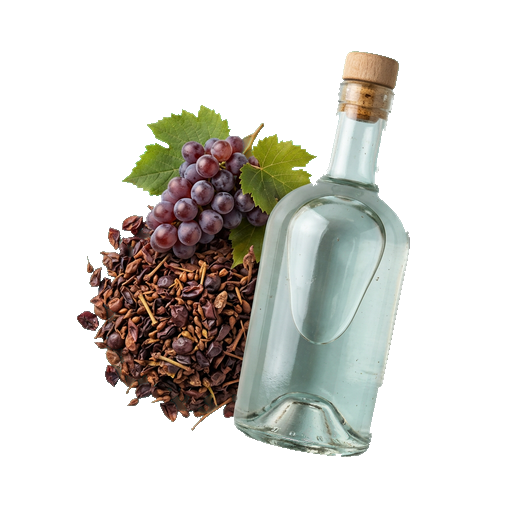
A strong spirit obtained by distilling grape pomace, the residue left after pressing. It has a sharp, intense flavor with fruity and floral notes, depending on the grape variety and production method. In cooking, it is used for making meat sauces, adding to desserts, marinades, and as an aperitif, requiring careful dosing due to its high alcohol content.
About
Strong spirit from grape pomace
Grappa is a strong spirit obtained by distilling grape pomace, seeds, and skins left over from wine production. The alcohol content usually ranges from 38 to 50 degrees. The drink has a sharp, intense character with a pronounced fruity aroma — it features notes of ripe berries, sometimes with hints of flowers or herbs. The taste can be either soft and rounded or harsh and burning, depending on the quality of the raw materials and production technology.
How to use in cooking
Grappa rarely acts as the main ingredient in a dish — most often it is added in small quantities for depth and complexity of flavor. A few spoonfuls of grappa can transform a meat sauce, giving it piquancy and a slight bitterness. It is added to marinades for game and beef, to desserts based on chocolate or berries, to compotes and jams.
In confectionery, grappa works particularly well: it emphasizes fruity notes in pastes, creams, and glazes. It is added to cookie or pie dough to give them a complex aroma. When heated, the alcohol evaporates, leaving only flavor components behind, so there's no need to worry about its strength.
Successful Pairings
- Chocolate and cocoa — grappa enhances bitterness and adds roundness
- Berries (raspberry, black currant, blackberry) — natural partnership due to common origin
- Red meat and game — sauce with grappa becomes more aromatic and expressive
- Pear and apple — fruity notes of grappa resonate in delicate fruits
- Caramel — contrast of bitterness and sweetness creates an interesting flavor balance
Selection and Storage
For culinary purposes, a mid-range grappa is suitable — expensive aged versions only make sense for drinking neat. Pay attention to clarity and color: young grappa should be crystal clear, sometimes with a slight yellow tint. When choosing, focus on the aroma — it should be fruity and pleasant, without acetone smell or other unpleasant impurities.
Grappa is stored in a tightly sealed bottle at room temperature in a dark place. Alcohol does not spoil, so the shelf life is unlimited. Even after opening, the bottle will remain usable for years, although the aroma may change slightly over time. A small amount of grappa lasts a long time, so one bottle will serve you well in cooking for a long time.
Nutrition
per 100 ml
- Calories
- 230 kcal
- Protein
- 0 g
- Fat
- 0 g
- Carbs
- 0 g
Measures and weight
- 1 tbsp
- 14 g
- 1 tsp
- 4.7 g
- 1 cup
- 232.5 g
Measure calculator
- Weight
- 100 g
- Calories
- 247 kcal