Usuba
Usuba
Croutons
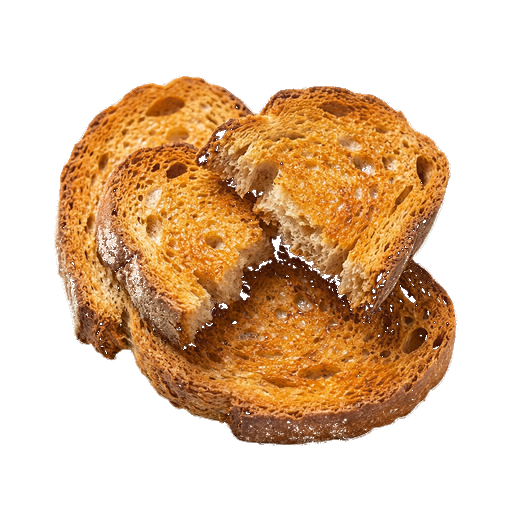
Croutons are slices of bread fried in oil until they develop a crispy golden crust. They serve as a base for appetizers with various toppings, a complement to soups and salads, and can be enjoyed as a standalone snack. When preparing croutons, it's important to choose bread of the right density — bread that's too soft will fall apart, while bread that's too hard won't fry evenly, so bread that's a day or two old works best.
About
Croutons are slices of bread fried in oil or baked in the oven until crispy. A simple way to transform stale bread into a crunchy appetizer or side dish that doesn't require complex manipulations, but offers many applications in the kitchen.
Taste and Texture
The main advantage of croutons is their contrasting texture. On the outside they crunch, while the inside remains soft and tender, especially if fried quickly over high heat. The taste depends on the original bread: white bread provides a neutral base, black bread creates a more pronounced, slightly bitter undertone, and rye bread adds earthy notes.
The oil used for frying croutons adds creaminess and aroma to them. If you use olive oil, you'll get a brighter, more piquant result. Garlic croutons acquire a sharp, spicy note that penetrates every slice.
Where to use croutons
Croutons are versatile. They rescue soups — floating in borscht, cabbage soup, onion soup, adding texture and absorbing broth. To salads they bring crunch, countering the softness of leaves and vegetables. Plain croutons with salt and oil become a snack to beer or wine.
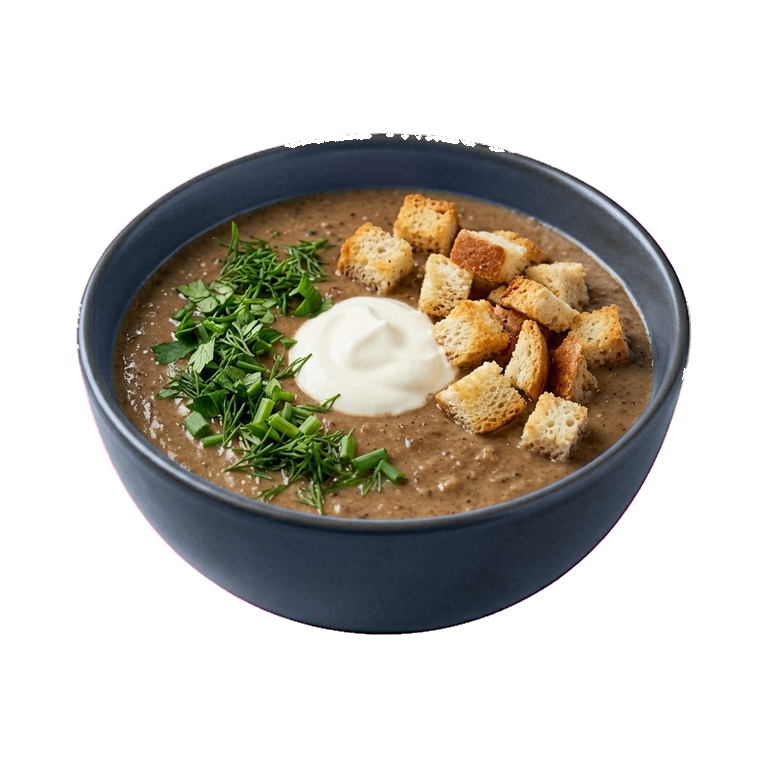
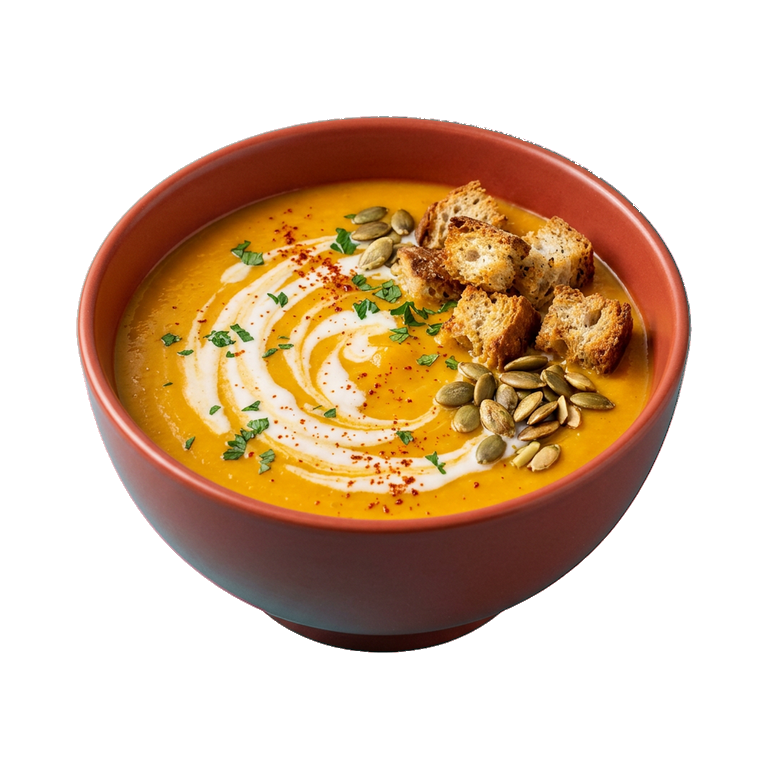
- Garnish for cream soups and puree soups
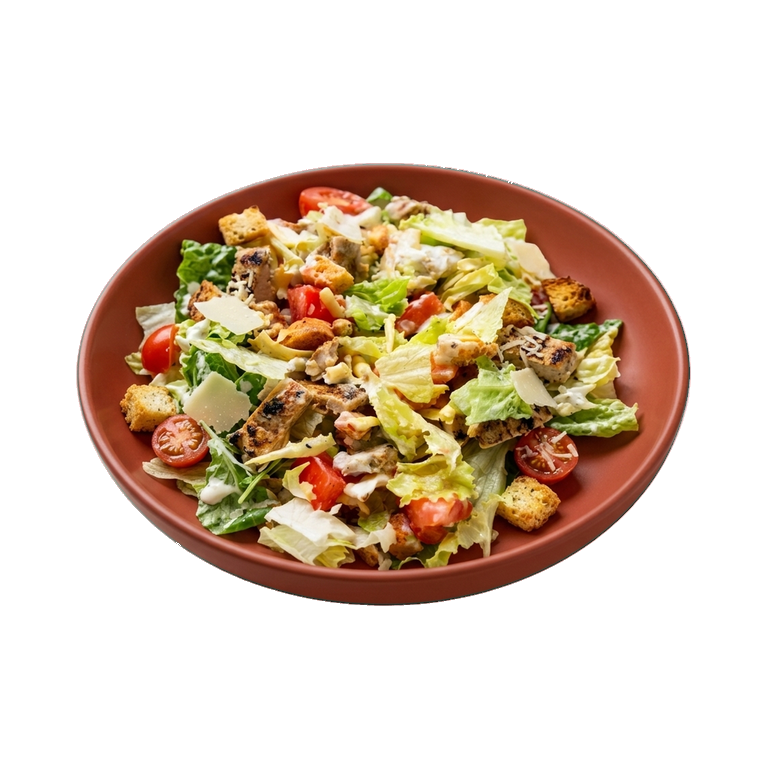
- Crispy addition to Caesar salads, Greek salads, vegetable mixes
- Base for bruschetta with pâté, cheese, tomatoes
- Appetizer to serve with drinks with garlic, herbs, spices
- Breading for cutlets and fish instead of breadcrumbs
Combinations and Aromas
Garlic is a classic companion to croutons. A rubbed clove on a still-warm slice adds sharpness and aroma. Herbs work flawlessly: dill, parsley, thyme, oregano. Dried spices — paprika, black pepper, dried chili — add depth.
Croutons pair well with acidity: lemon juice or vinegar added to the oil before frying refreshes the taste. With cheese — Parmesan, Gruyère, feta — they become more satisfying. Honey or sugar turns them into a sweet snack for tea.
Bread selection and cooking method
Any bread is suitable for croutons, but yesterday's or even two-day-old bread works best. Fresh bread will absorb the oil and become greasy, while stale bread crisps up perfectly. Slice the bread into pieces about one centimeter thick — this way they won't burn on the outside and won't remain raw inside.
- On a skillet: quickly, over medium-high heat, 1–2 minutes per side
- In the oven: slower, at 180 degrees, 10–15 minutes, more economical with oil
- In an air fryer: without oil, crispy and light, ready in 5–7 minutes
Storage and shelf life
Eat hot croutons immediately — they are the crunchiest. Cooled ones are stored in an airtight container at room temperature for 2–3 days, but become softer over time. If you need to restore the crunch, reheat them in the oven for 3–5 minutes at 160 degrees.
You can prepare croutons in advance: slice the bread, air dry it, and store in a container. Before serving, fry fresh ones — it will take a minute. This approach saves time when guests are already at the table.
Nutrition
per 100 g
- Calories
- 330 kcal
- Protein
- 10 g
- Fat
- 10 g
- Carbs
- 48 g
Measures and weight
- 1 pcs
- 5 g
Measure calculator
- Weight
- 100 g
- Calories
- 330 kcal