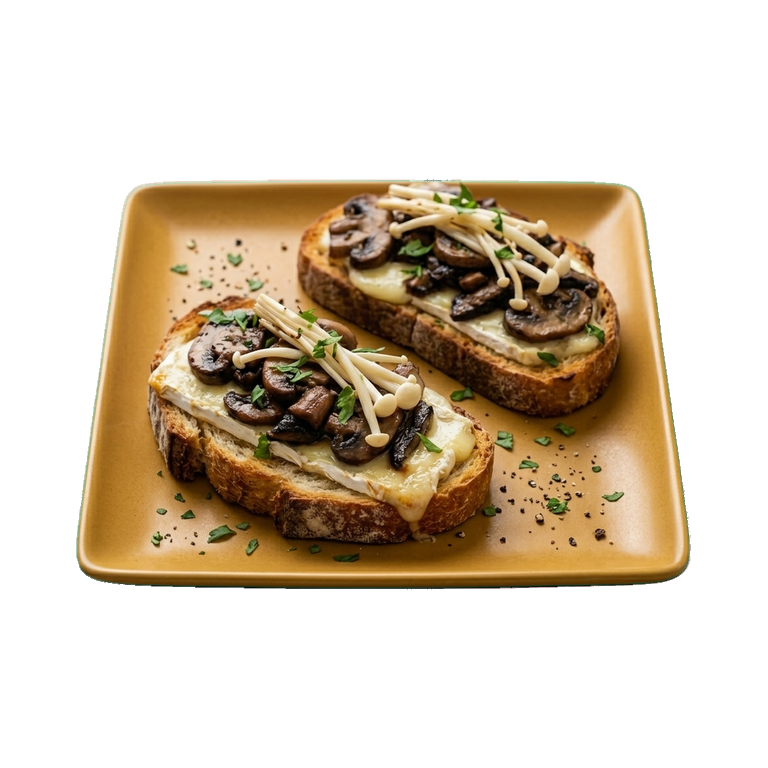
Usuba
Usuba
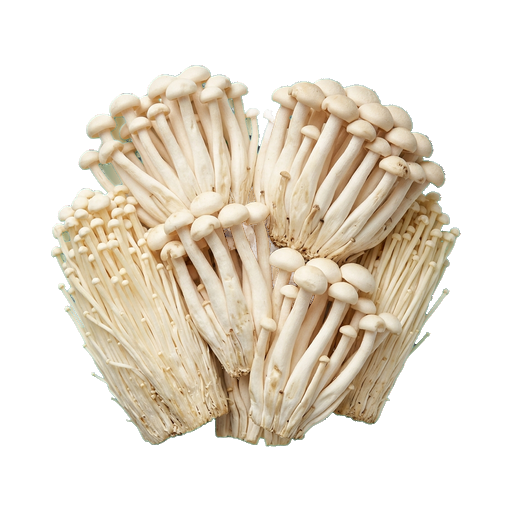
Enoki mushrooms
Enoki are delicate thin mushrooms with long stems and small caps, cultivated in controlled environments. They have a subtle, slightly sweet flavor with a barely noticeable earthy note and a crispy texture that holds up well even when cooked. Enoki mushrooms absorb flavors and sauces readily, making them ideal for soups, noodles, salads, and Asian cuisine dishes — add them toward the end of cooking to preserve their delicacy, and when substituting, use oyster mushrooms or button mushrooms, though they will be denser and less elegant.
About
Enoki mushrooms are thin, delicate fungi with long stems and miniature caps, commonly found in Asian cuisine. They look like tiny white matchsticks with little umbrellas on the end, but they also come in yellow, brown, and even black varieties. Their main virtue is their delicate texture and barely noticeable slightly sweet flavor, which doesn't overpower other ingredients in the dish.
Aroma and Taste
Enoki mushrooms have a delicate, almost neutral flavor with a subtle fruity hint. The aroma is barely perceptible, earthy, and unobtrusive. The main appeal is the crispy texture, which is preserved with minimal heat treatment. If enoki mushrooms are overcooked, they become soft and lose all their charm.
Role in dishes
- In soups and broths, enoki mushrooms are added at the very end of cooking — they are needed more for texture and visual effect than for taste
- In noodle and rice dishes, they serve as a light complement, not competing with the main sauce
- On the grill or in a wok, enoki mushrooms cook quickly — literally in a minute, acquiring a light caramel tint
- In raw salads and appetizers, they add crunch and an interesting shape
- In hot drinks and miso soups, they are added right before serving to preserve their structure
Combinations and Techniques
Enoki mushrooms work well with soy sauce, mirin, lemon juice, and sesame oil. They are not afraid of spicy spices — ginger, garlic, and chili pepper. They pair beautifully with seafood, especially shrimp and squid. If you're cooking a dish with a strong flavor, enoki mushrooms won't get lost; they'll add texture and visual contrast.
Selection and Storage
- Choose enoki mushrooms with white or evenly colored caps without dark spots or slime
- The stems should be firm and not soft — this is a sign of freshness
- Enoki mushrooms are often sold in small packages with a bag or vacuum-sealed — this helps them stay fresh longer
- Store in the refrigerator in a separate container or paper bag, not in plastic — this prevents excess moisture
- Storage time is about a week, but it's best to use them within 3–4 days after purchase
- Before cooking, lightly trim the root part if it has darkened, and carefully separate the mushrooms by hand
Practical Tips
The main rule with enoki: less time on the fire — more crunch. If you're making soup, add them at the end. If you're frying in a pan, 1–2 minutes over medium heat is enough.
Enoki mushrooms don't require cleaning — simply rinse them gently under cold water. Their delicate nature is not a drawback, but an advantage: they quickly absorb the flavors of sauces and seasonings while remaining light and tender. If you're looking for mushrooms that won't dominate a dish but will add interesting texture and visual appeal, enoki mushrooms are an ideal choice.
Nutrition
per 100 g
- Calories
- 37 kcal
- Protein
- 2.7 g
- Fat
- 0.3 g
- Carbs
- 6.8 g
Measures and weight
- 1 bunch
- 100 g
Measure calculator
- Weight
- 100 g
- Calories
- 37 kcal