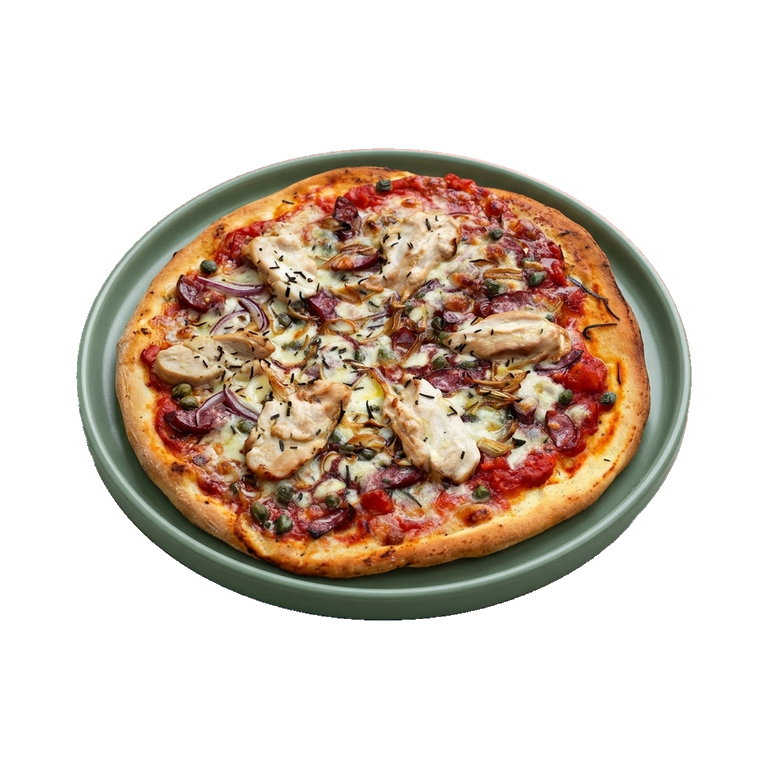
Usuba
Usuba
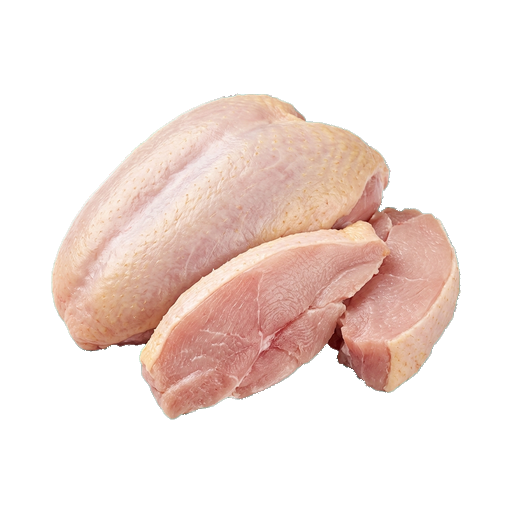
Guinea fowl breast
Guinea fowl breast is white meat with a tender structure and a more pronounced flavor than chicken, with a subtle game note. The meat contains less fat, so it requires care during heat treatment to avoid drying out. It is suitable for frying, stewing, baking and is used in dishes where more interesting meat than chicken is needed without a strong distinctive taste.
About
Guinea fowl breast is a delicate meat with a subtle, slightly piquant flavor. It is neither chicken nor duck, although guinea fowl is classified as poultry. The meat is light, dense, with minimal fat content, so it requires careful handling in the kitchen. If you're looking for an alternative to familiar poultry with a more interesting flavor profile, guinea fowl breast is exactly what you need.
Taste and Aroma
Guinea fowl meat has a subtle game flavor — not sharp, but rather noble and complex. The taste is more delicate than pheasant, yet more expressive than chicken fillet. The aroma of fresh meat is subtle, without any unpleasant odors. This bird feeds on a variety of food, which gives the meat depth and character.
How to Cook and Pair
Guinea fowl breast is excellent in delicate dishes: it can be braised with white wine and cream, baked with herbs and lemon, grilled or pan-fried over medium heat. The key is not to overcook it, otherwise the meat will become dry. Fillet cooks faster than chicken, approximately 15–20 percent quicker.
- White sauces with mustard, cream or white wine
- Fresh herbs: thyme, rosemary, tarragon
- Lemon, orange and other citrus fruits
- Mushrooms, especially button mushrooms and chanterelles
- Light side dishes: greens, steamed vegetables, rice
Selection and Storage
When purchasing, pay attention to the color of the meat — it should be light pink, without dark spots or drying. The surface should be clean, without slime. Guinea fowl breast is usually smaller than chicken breast, which is normal. Fresh meat has a pleasant smell, without acidity or strange odors.
- In the refrigerator: 2–3 days in the coldest part, preferably on the lower shelf
- In the freezer: 3–4 months in an airtight container or vacuum
- Thaw in the refrigerator overnight, not at room temperature
Kitchen Tip
Before cooking, let the guinea fowl breast rest at room temperature for 20–30 minutes — the meat will cook more evenly. If cooking in a pan, start with high heat to form a crust, then reduce the heat. Check for doneness by the juices: they should be clear, without any pink drops.
Nutrition
per 100 g
- Calories
- 110 kcal
- Protein
- 23 g
- Fat
- 2 g
- Carbs
- 0 g
Measure calculator
- Weight
- 100 g
- Calories
- 110 kcal