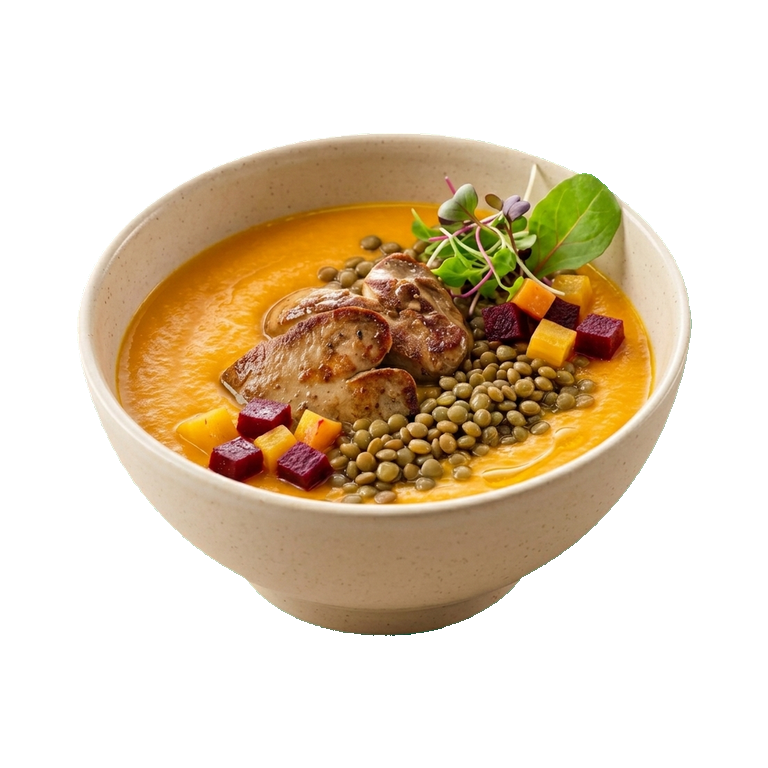
Usuba
Usuba
Guinea fowl liver
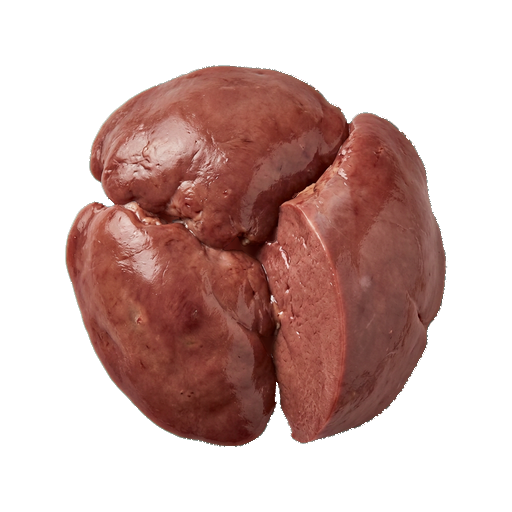
Guinea fowl liver is a delicate offal with a tender texture and mild flavor, less intense than chicken or beef liver. It works well for pâtés, forcemeats, adding to sauces and braised dishes, maintaining juiciness with proper heat treatment. When selecting, pay attention to the color — it should be uniform, ranging from light brown to dark red, without spots or damage; freeze the liver quickly and use it within 2–3 months.
About
Guinea fowl liver is a delicacy that often remains overshadowed by chicken liver, although it deserves far more attention. It is a small organ with a dense structure, delicate flavor, and tender texture. Unlike the liver of other domestic poultry, it has a less pronounced taste, but at the same time is more refined and sophisticated. Working with it is a pleasure — it holds its shape well during cooking and requires no special preparation.
Aroma and Taste
Guinea fowl liver has a delicate, slightly sweet taste with barely perceptible nutty notes. It lacks the sharp metallic aftertaste that sometimes accompanies chicken liver. The aroma is subtle, almost unobtrusive — this allows it to be used in dishes where liver should complement rather than dominate. When cooked properly, it becomes tender and buttery, practically melting in your mouth.
Role in Cooking
Guinea fowl liver is versatile and works well in both simple and complex dishes. It can be quickly seared over high heat with butter and achieve perfect results in just a few minutes. It is suitable for pâtés, mousses, and terrines — its delicate structure allows you to create smooth, uniform textures. Small pieces look excellent in salads, especially if they are seared beforehand until lightly golden.
Pairings and Seasonings
- Acidic components: lemon juice, white wine, vinegar — they balance the richness of liver
- Spices: thyme, rosemary, sage emphasize its tenderness
- Creamy sauces: cream, butter, cognac create harmonious combinations
- Vegetables: mushrooms, shallots, truffle add depth
- Fruits: pear, apple, grape bring freshness and contrast
Selection and Storage
When selecting guinea fowl liver, pay attention to the color — it should be uniform, without gray or brown spots. The surface should be smooth, shiny, without any damage. The smell should be fresh, pleasant, with no hint of ammonia or mustiness. The size of the liver is small — this is normal, don't try to find something larger.
Guinea fowl liver spoils quickly, so use it within one to two days of purchase. Store it in the coldest part of the refrigerator in an airtight container. If you need to keep it longer, freeze it — it can be stored in the freezer for up to three months. Before cooking, thaw it in the refrigerator, not on the counter, to prevent bacterial growth.
Practical Tips
- Do not overcook — guinea fowl liver cooks quickly, overcooking will make it dry and tough
- If there is a gallbladder inside, remove it carefully so as not to damage the liver
- Before cooking, let the liver rest at room temperature for 15–20 minutes — this ensures even cooking
- For pâté use fresh liver, for frying frozen-thawed liver will also work
Guinea fowl liver is a choice for those who want to experiment and try something more sophisticated than familiar ingredients. It requires minimal preparation and responds maximally to the chef's attention. Even simple pan-frying with salt, pepper, and oil transforms into a restaurant-quality dish.
Nutrition
per 100 g
- Calories
- 130 kcal
- Protein
- 18.5 g
- Fat
- 5.5 g
- Carbs
- 0 g
Measure calculator
- Weight
- 100 g
- Calories
- 130 kcal