Usuba
Usuba
Goose
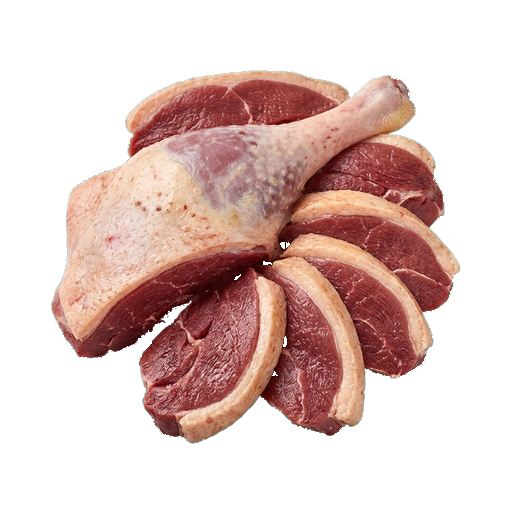
Goose is a large waterfowl with dark, dense meat, rich flavor, and notable fat content that makes dishes more succulent and aromatic. Goose meat requires lengthy preparation and is often cooked by braising or baking to become tender and soft, while the fat can be rendered and used separately for frying. When selecting goose, pay attention to young birds — they cook faster and are more tender than older ones, with weight typically ranging from three to five kilograms.
About
Meat with Character
Goose is a bird that demands respect in the kitchen. Its meat is dark, dense, and rich, quite unlike chicken or turkey. The flavor is pronounced, almost gamey, with a subtle sweetness. Beneath the skin lies a substantial layer of fat, which, when handled properly, becomes the chef's main ally rather than an enemy.
When roasting, goose fat renders and creates a crispy skin while keeping the meat moist inside. This fat is a valuable product in itself: it is used for cooking potatoes, vegetables, and pâtés. Goose meat contains more iron and B vitamins than chicken, making it a more nutritious choice.
How to cook and what to pair with
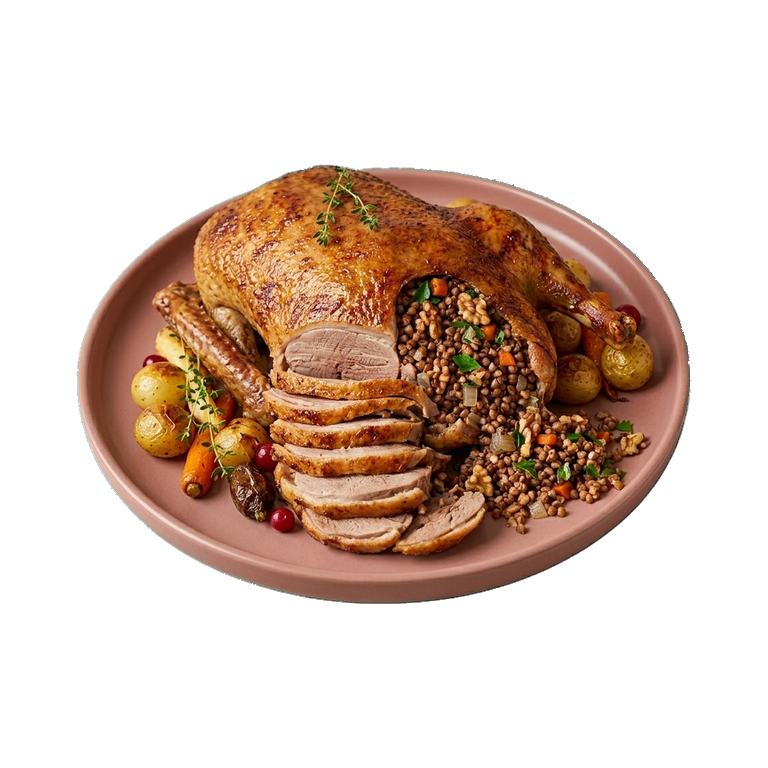
Goose reveals itself through long, unhurried cooking. Roasted whole or in large pieces, it requires time — from one and a half to two hours at moderate temperature. The meat should become tender, almost melting, and the skin — golden and crispy. Young birds cook faster and turn out more tender; older ones require more attention, but offer depth of flavor.
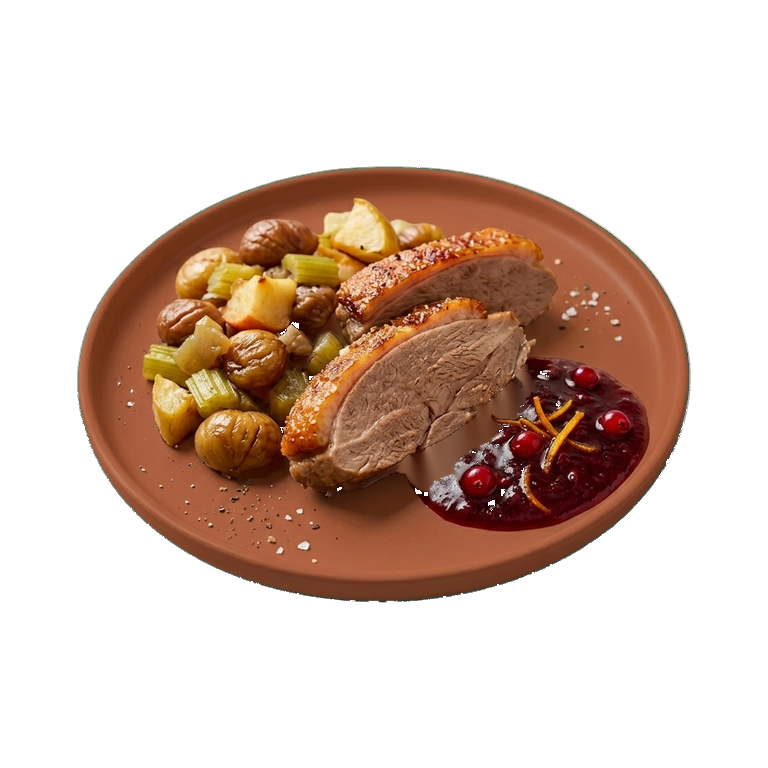
In terms of flavor, goose pairs well with acidity and tartness. Apples, orange, cranberry, cherry — these ingredients balance the richness of the meat. Sharp spices like ginger, cinnamon, clove emphasize its depth. Herbs — thyme, rosemary, sage — add aroma without competing. Side dishes are chosen to be hearty: potatoes, buckwheat, lentils absorb goose fat and sauces well.
Selection and Storage
When buying, pay attention to the skin color — it should be light or pale yellow, without any bluish tint. The meat under the fat has a red hue, the skin is firm, without damage. The smell is fresh, without any off-odors. Whole poultry is best used within 24 hours of purchase; in the freezer it can be stored for up to six months.
Before cooking a goose, you need to thaw it in the refrigerator — this will take a day or two, but guarantees even thawing. Before roasting, the bird is thoroughly dried inside and out so that the skin becomes crispy. Rendered goose fat should not be discarded — it will be useful for cooking and can be stored in the refrigerator for several months.
Main Cooking Methods
- Whole roasting — a classic method that requires time and careful temperature control
- Braising in pieces — meat becomes tender and absorbs sauces and spices well
- Confit — slow cooking in its own fat, results in incredibly tender meat
- Breast frying — quick method, meat stays pink inside with crispy skin
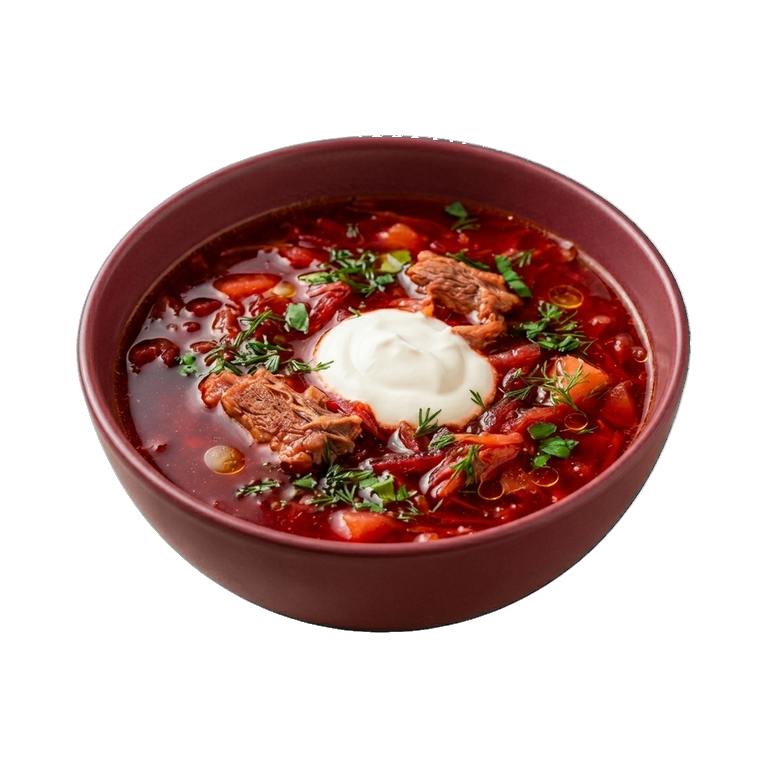
- Soup and broth — bones and trimmings make a rich, aromatic broth
Nutrition
per 100 g
- Calories
- 364 kcal
- Protein
- 16.2 g
- Fat
- 33.3 g
- Carbs
- 0 g
Measures and weight
- 1 pcs
- 3000 g
Measure calculator
- Weight
- 100 g
- Calories
- 364 kcal