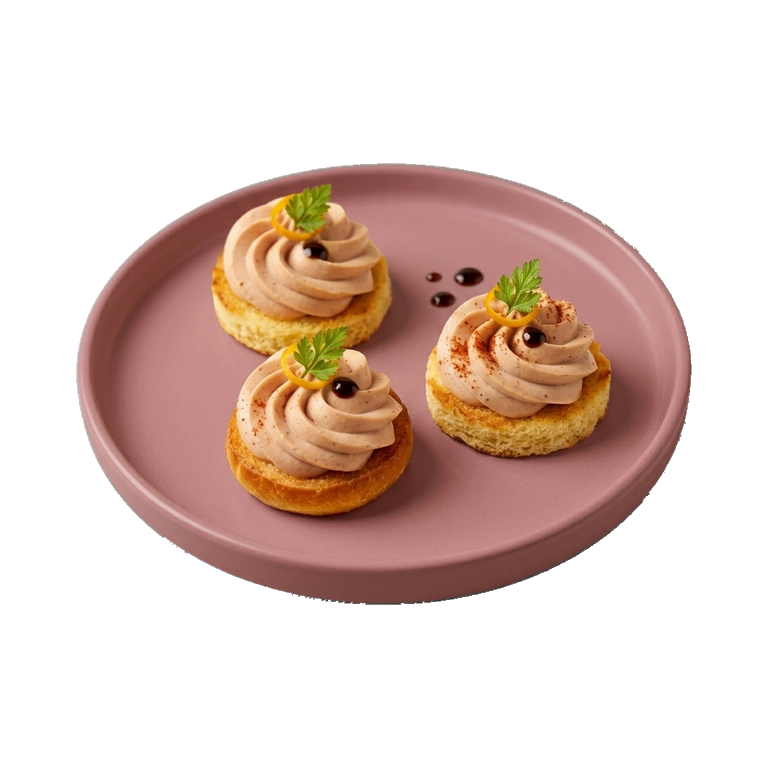
Usuba
Usuba
Goose liver
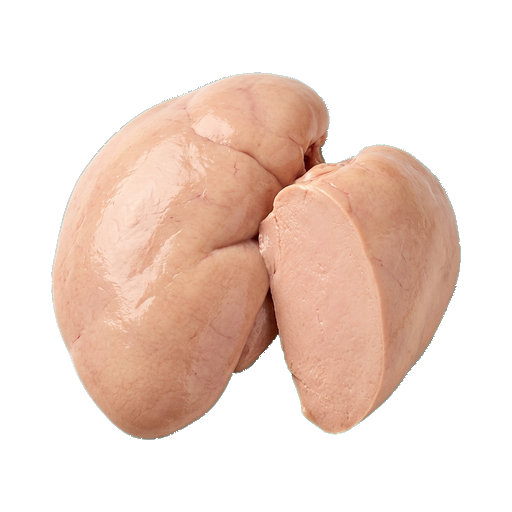
Goose liver is a delicate offal with a tender, buttery texture and rich, slightly sweet flavor. It is significantly larger than chicken liver and contains more fat, making it ideal for pâtés, foie gras, and refined appetizers. When selecting, look for light pink colored liver without spots, and remember that it requires delicate handling and quick cooking, as prolonged heat exposure makes it tough and causes it to lose its characteristic flavor.
About
Foie gras is one of the most delicate offal products, prized for its tender texture and rich, buttery flavor. Unlike chicken or beef liver, it is much softer, almost melting in your mouth, and does not require lengthy processing. It is an ingredient that works both in simple dishes and in fine cuisine.
Taste and Aroma
Goose liver has a soft, slightly sweet taste with barely noticeable bitterness. The aroma is delicate, not sharp like beef liver. When the liver is of good quality, it practically has no iron smell — this is the main sign of freshness and proper storage. During cooking, it releases a tender, almost nutty note.
How to cook and what to pair with
The main rule: do not overcook. Foie gras cooks quickly — 3–5 minutes over high heat or a few minutes in the oven at 180 degrees is enough. It's better to leave it slightly pink inside than to dry it out. The classic way is to pan-fry it in butter with salt and pepper, and serve it with bread or a side of apples, pears, or chestnuts.
- Fruits: apples, pears, apricots, figs — their acidity and sweetness perfectly balance the richness of liver
- Spices: black pepper, thyme, sage, nutmeg — do not overpower the delicate flavor, but enhance it
- Sauces: Madeira, port, red wine, balsamic vinegar — create a deep background for liver
- Garnishes: mashed potatoes, polenta, mushrooms, herbs — serve as a neutral base
Selection and Storage
When purchasing, pay attention to the color — good foie gras should be light pink or light brown, without dark spots or bruises. The surface should be smooth, without damage. The smell should be barely perceptible, pleasant, without any off-odors. Avoid liver with a grayish coating or an unpleasant smell — these are signs of spoilage.
Goose liver is a perishable product. In the refrigerator, it is stored for no more than two days in the coldest part, in airtight packaging. If you don't plan to cook it within the next day, put it in the freezer immediately — it will keep there for up to three months. Before cooking, let it thaw in the refrigerator, not at room temperature.
Practical Tips
- Remove the liver from the refrigerator 15–20 minutes before cooking to bring it to room temperature — this way it will cook evenly
- Remove the bile ducts if visible — these are bitter tubes that will spoil the taste
- Do not salt the liver in advance — salt draws out moisture. Add salt right before cooking
- Use a well-heated non-stick skillet or cast iron — the liver should not stick
- If making pâté, use a blender or pass the liver through a meat grinder, mix with butter and seasonings
Foie gras is an ingredient for those who appreciate quality and are willing to spend time on proper preparation. Even a simple dish with it will turn out festive, if you remember the main thing: minimum time on the stove and maximum attention to the process.
Nutrition
per 100 g
- Calories
- 131 kcal
- Protein
- 16.4 g
- Fat
- 6.3 g
- Carbs
- 0.8 g
Measure calculator
- Weight
- 100 g
- Calories
- 131 kcal