Usuba
Usuba
Halibut
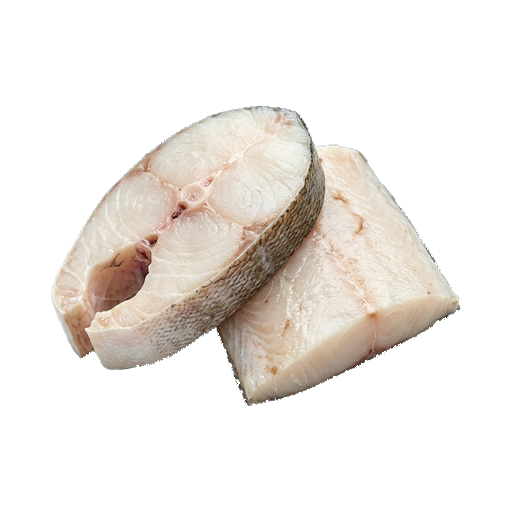
White fish with tender, slightly sweet meat and low fat content, making it a versatile choice for various cooking methods. Halibut holds its shape well during heat treatment and is suitable for baking, frying, boiling, and grilling, especially thanks to the dense structure of its fillets. When selecting, pay attention to freshness: the meat should be firm, without ammonia smell, and frozen halibut should be thawed in the refrigerator to preserve quality.
About
White fish with noble taste
Halibut is a large saltwater fish with dense white meat, valued for its tenderness and delicate flavor. The meat contains almost no intermuscular bones, making it convenient to process. Due to its low fat content, halibut remains juicy with any cooking method, requiring no complex manipulations.
Aroma and Taste
Halibut has a soft, slightly sweet taste with a barely perceptible sea aroma. The meat is light, almost white, with a tender texture that easily falls apart when boiled or steamed. This versatility allows the fish to absorb sauces and spices well without overpowering them with its own flavor.
How to cook halibut
Halibut is equally good in both simple and complex dishes. The main thing is not to overcook it: the fish cooks quickly, and overcooked meat becomes dry and tasteless.
- On the grill or in a pan: steaks 3–4 cm thick are cooked for 4–5 minutes on each side over medium heat. Salt, pepper, and lemon juice are sufficient.
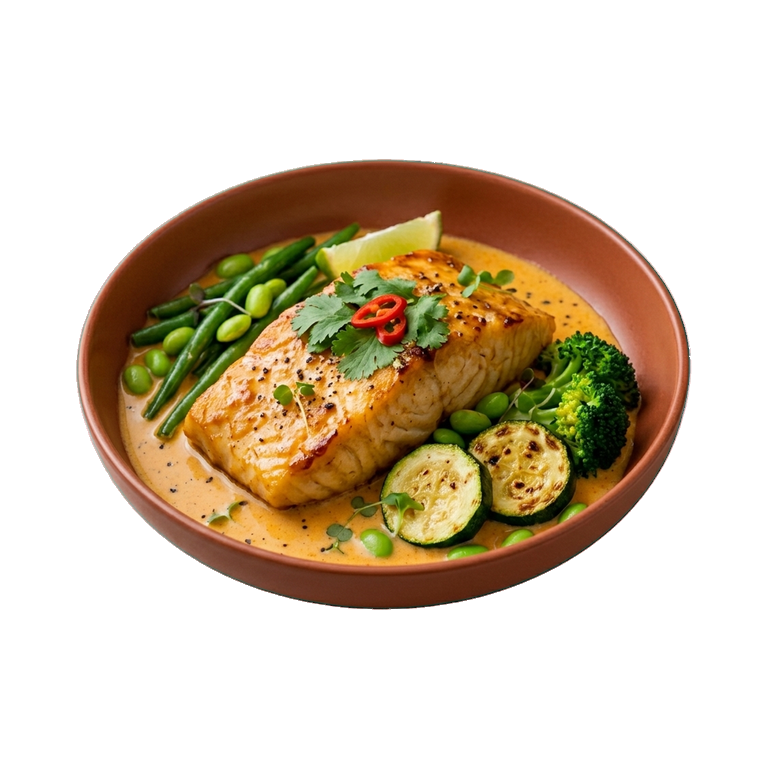
- Steamed or in the oven: fillets cook for 12–15 minutes at 180 degrees. A bed of vegetables or herbs works well for aroma.
- In soups and fish stews: halibut is added at the end of cooking so the meat doesn't fall apart completely, but still absorbs the broth well.
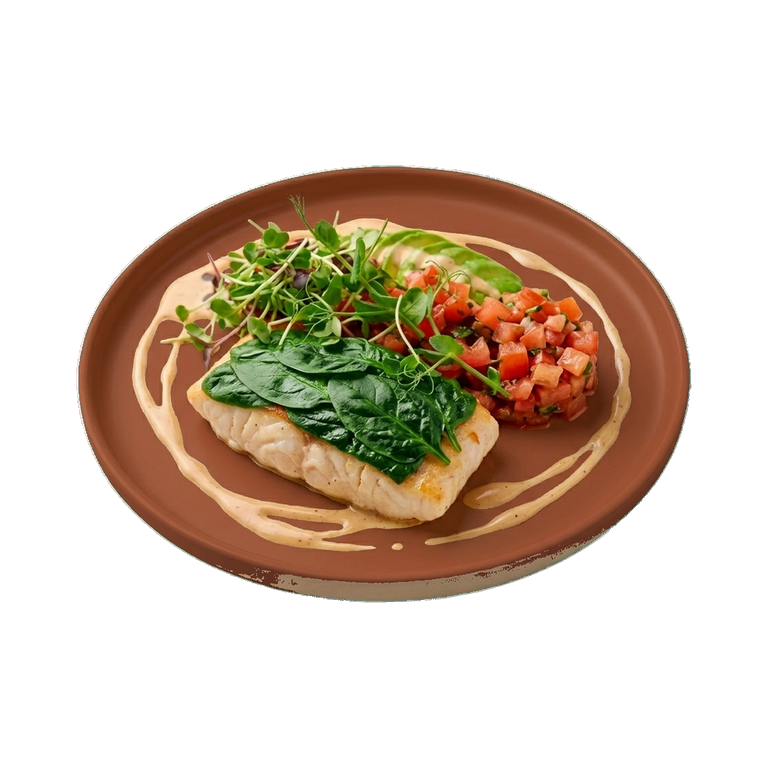
- Under sauce: butter, tomato, or wine sauce will highlight the delicate flavor of the fish without overwhelming it.
Pairings and Side Dishes
Halibut works well with light, fresh accompaniments. Lemon and lime highlight its flavor without competing with it. Herbs — dill, parsley, tarragon — add depth. Halibut pairs well with delicate side dishes: new potatoes, rice, pasta, vegetable purées. Avoid heavy sauces and spices that will overpower the delicate nature of the fish.
Selection and Storage
When shopping, pay attention to the smell: fresh halibut smells like the sea, but not like fish. The meat should be firm, without dark spots or slime. If you're buying fillet, check that it's not too wet or, conversely, too dry.
Halibut spoils quickly, so cook it on the day of purchase or the next day. In the refrigerator, fish can be stored for a maximum of 2 days in an airtight container on ice. For long-term storage, halibut freezes well: in the freezer it maintains quality for up to 3 months. Thaw in the refrigerator, not at room temperature.
Halibut is the choice of those who appreciate quality and simplicity. It doesn't need to be masked with complex recipes: proper heat treatment and minimal seasoning will reveal the full potential of this noble fish.
Nutrition
per 100 g
- Calories
- 103 kcal
- Protein
- 18.9 g
- Fat
- 3.2 g
- Carbs
- 0 g
Measure calculator
- Weight
- 100 g
- Calories
- 103 kcal