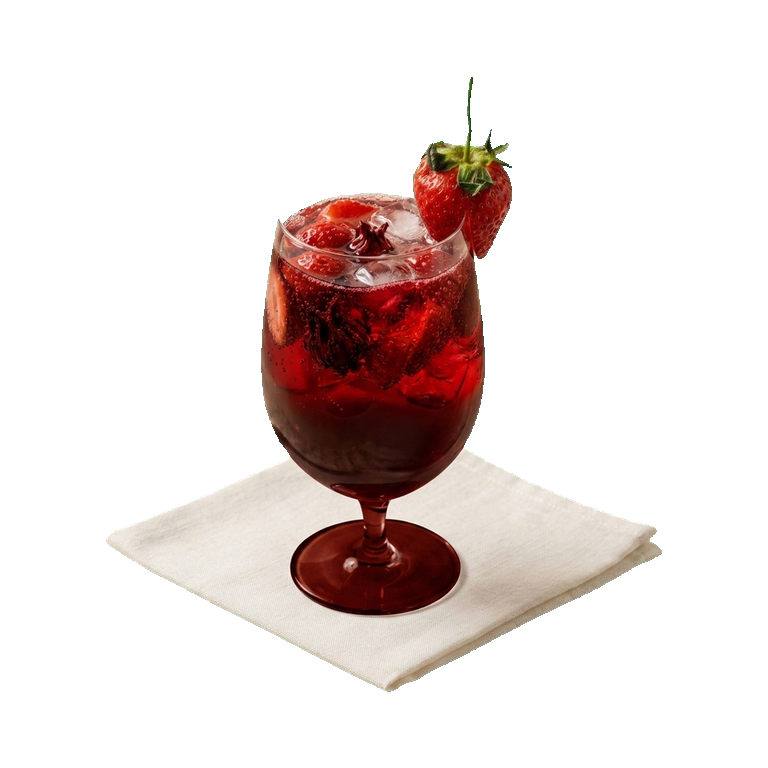
Usuba
Usuba
Hibiscus
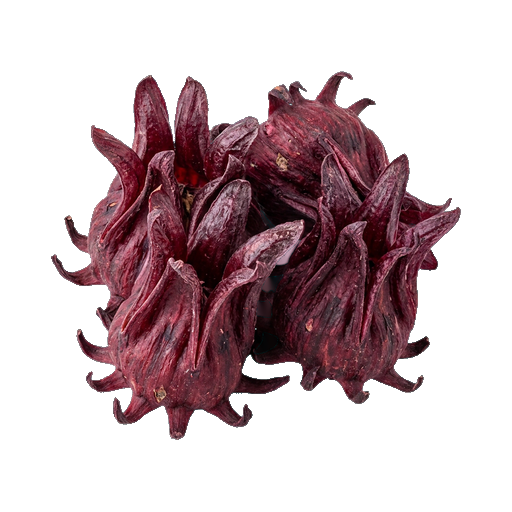
Dried hibiscus flowers with a tart, slightly tangy flavor and deep burgundy color. Primarily used for brewing hot and cold beverages that acquire a characteristic fruity-floral aroma and vibrant hue. When selecting, pay attention to the integrity of the petals and color uniformity — quality hibiscus tea should be dark in color and free from extraneous odors.
About
Hibiscus is dried sepals of hibiscus flowers that give the drink a deep crimson color and a bright tart taste. In cooking, it is not just tea, but a versatile ingredient that works in both hot and cold drinks, and even in desserts. The sharp tartness of hibiscus is capable of enlivening both a simple cup of water and a complex cocktail.
Aroma and Taste
The taste of hibiscus resembles a mixture of cranberry, raspberry, and lemon — sour, slightly astringent, with floral notes. The aroma of dry raw material is delicate, almost imperceptible, but once you pour boiling water, the cup fills with a bright, slightly fruity scent. The intensity of flavor depends on brewing time: three minutes will give a soft, refreshing result, while ten minutes will turn the drink into a concentrated and rich beverage.
Role in dishes and drinks
- Hot tea — the most obvious use, especially good with the addition of ginger or cinnamon
- Cold drinks and fruit drinks — hibiscus cools well and becomes even more refreshing
- Cocktails and long drinks — hibiscus acidity balances the sweetness and strength of alcoholic beverages
- Jelly and marmalade — dry calyxes provide natural pectin and bright color without dyes
- Sauces and marinades — adds tartness and unusual color to meat or fish
Successful Pairings
Hibiscus pairs well with spices that emphasize its floral notes and tartness. Ginger adds heat, mint brings freshness, cinnamon and clove provide spicy depth. In sweet dishes, hibiscus works with vanilla, orange, and strawberry. If you're making a beverage, try combining hibiscus with apple, pomegranate, or raspberry — the fruit acids will enhance each other.
Selection and Storage
When purchasing, pay attention to the color — a good hibiscus has a rich dark red or burgundy shade, without gray coating or lumps. The aroma should be fresh, without mustiness. Dry calyxes should not crumble in your hands, but should not be too moist either.
- Store in an airtight jar or container in a dark, cool place
- Avoid moisture and direct sunlight — they accelerate the loss of aroma and color
- With proper storage, hibiscus retains its properties for 6–12 months
- If you notice clumps or a musty smell — this is a sign of moisture, such hibiscus is better not to use
Practical tip
If you're making this drink for the first time, start with the proportion: one tablespoon of dried hibiscus per cup of water. Pour boiling water and let it steep for 5–7 minutes. Taste it — if you want it stronger, add more hibiscus; if you prefer it milder, dilute with water. This way you'll find the perfect balance for yourself. Remember: the longer hibiscus sits in hot water, the more astringent the flavor becomes, so don't overcomplicate the brewing time.
Nutrition
per 100 g
- Calories
- 49 kcal
- Protein
- 1.9 g
- Fat
- 0.3 g
- Carbs
- 11.2 g
Measures and weight
- 1 tbsp
- 9 g
- 1 tsp
- 3 g
- 1 cup
- 150 g
Measure calculator
- Weight
- 100 g
- Calories
- 49 kcal