Usuba
Usuba
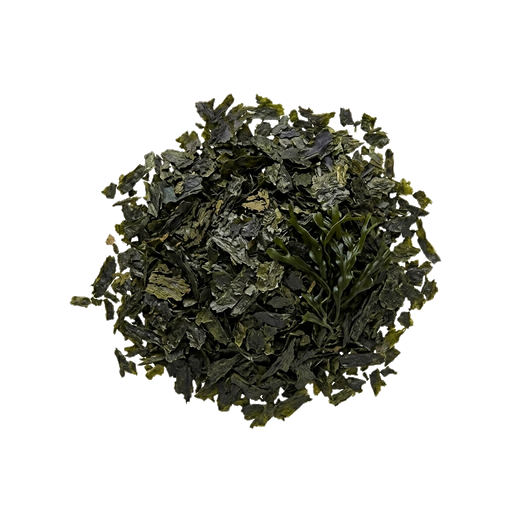
Seaweed flakes
Seaweed flakes are dried and ground sea algae added to dishes for a briny ocean flavor and mineral depth. They work well in sushi, salads, soups, and as a rice topping, bringing oceanic aroma and a subtle iodine note to your dish. When choosing, pay attention to color — quality flakes should be bright green or dark red, with no off-odors, and store them in an airtight container to prevent moisture absorption and preserve their crispness.
About
Seaweed flakes are thin, crispy sheets that add oceanic depth and mineral notes to dishes. They are produced by drying and grinding seaweed, which preserves all the concentration of flavor and beneficial nutrients. In cooking, they are valued for their versatility: they work equally well in sushi, salads, soups, and even bread.
Taste and Aroma
The flakes have a pronounced seafood flavor with saline notes and subtle sweetness. The aroma is intense, iodized, but not sharp — rather cozy and recognizable. When stored properly, they remain crispy and don't lose their character, even if added to a hot dish right before serving.
Where and how to use
- Topping for sushi and rolls — adds crunchiness and enhances the seafood profile
- Garnish for salads and vegetable dishes — adds texture and minerality
- Seasoning for rice and grain bowls — a pinch adds depth to any dish
- Decoration and flavor accent in soups and broths — unfolds upon contact with hot liquid
- Addition to bread dough or topping for buns — creates an interesting contrast with a neutral base
Combinations and Pairings
Seaweed flakes pair perfectly with rice, avocado, cucumber, and ginger. They enhance the flavor of fish and seafood, but are equally interesting in vegetarian dishes — with tofu, grilled vegetables, and chickpeas. A small amount of flakes harmonizes well with spicy sauces based on chili and sesame oil, as well as with creamy dressings, where the sea flavor creates a noble contrast.
Selection and Storage
When purchasing, pay attention to the color — it should be rich, from dark green to black. The flakes should not have a musty smell or signs of moisture. Store them in an airtight container in a cool, dry place, protected from light and moisture. This way they will retain their crunchiness and taste for several months. A small package is the optimal option, as after opening the flakes gradually lose their qualities.
Use seaweed flakes at the end of cooking or just before serving to preserve their crispness and bright umami flavor. Even a pinch is capable of transforming a simple dish.
Nutrition
per 100 g
- Calories
- 35 kcal
- Protein
- 1.7 g
- Fat
- 0.6 g
- Carbs
- 5.1 g
Measures and weight
- 1 tbsp
- 2.3 g
- 1 tsp
- 0.8 g
- 1 cup
- 37.5 g
Measure calculator
- Weight
- 100 g
- Calories
- 35 kcal