Usuba
Usuba
Honey mushrooms
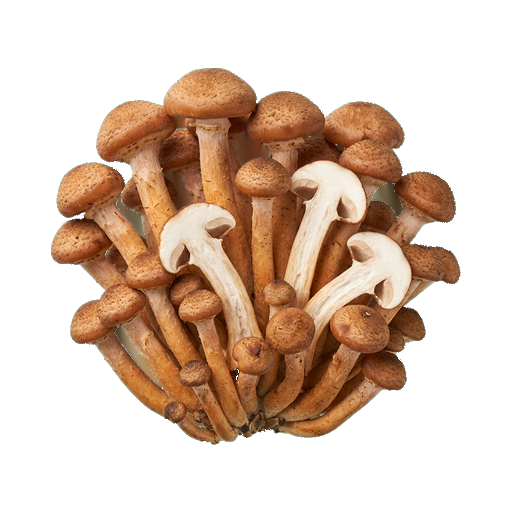
Honey mushrooms are fungi with thin stems and small caps that grow in clusters on tree stumps and fallen logs. They have a delicate, slightly sweet flavor with a forest aroma and require mandatory heat treatment before consumption. Honey mushrooms are versatile in cooking: they are fried, boiled, pickled, and added to soups and stews, but it is necessary to carefully select young specimens and properly identify the species to avoid false honey mushrooms.
About
Honey mushrooms: mushrooms that grow in families
Honey mushrooms are fungi that appear in autumn in large colonies on stumps and fallen wood. They are easy to recognize by their thin stems gathered in bunches and light caps with dark scales. When you find one mushroom, there will definitely be dozens of others nearby — hence the name. This makes collecting honey mushrooms a pleasant and rewarding activity.
Honey mushrooms have a dense and slightly crispy texture with a delicate mushroom aroma without sharp notes. They do not require prolonged soaking like some forest mushrooms and hold their shape well during cooking. The cap is slightly more tender than the stem, but both parts are edible and delicious.
How to cook honey mushrooms
Honey mushrooms don't need to be cleaned for hours — it's enough to wipe them with a damp cloth and cut off the lower part of the stem where dirt remains. If the mushrooms are very dirty, you can quickly rinse them under running water, but don't soak them. They absorb moisture and become watery.
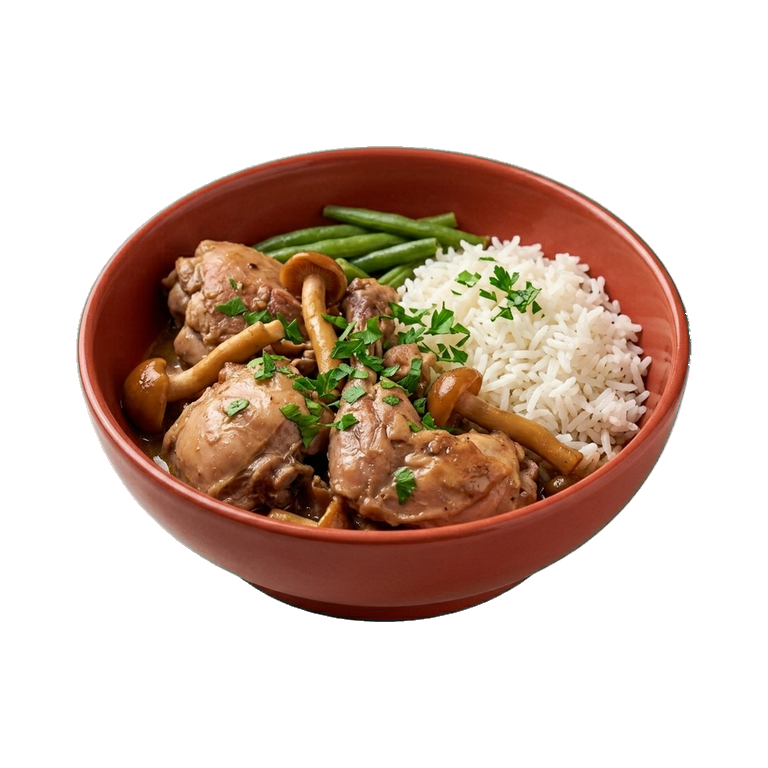
Honey mushrooms are versatile in the kitchen. They are fried with onions and sour cream, added to soups, pickled for winter storage, dried, frozen, and even salted. They are especially good in pies and dumplings — finely chopped with onions. They absorb the aromas of spices well and pair nicely with potatoes, pasta, and grains.
Combinations and Ideas
- With sour cream and onion — classic pan option
- With potatoes — in soup, stew, or as pie filling
- With pasta — honey mushrooms with garlic and vegetable oil
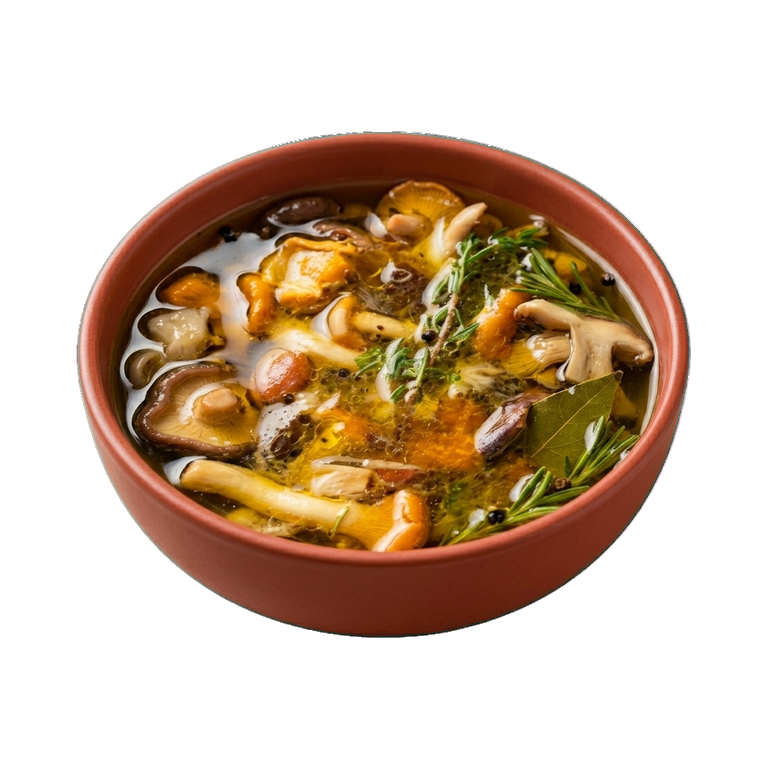
- In marinade — with vinegar, bay leaf, and peppercorns as an appetizer
- With bacon or smoked meat — for a heartier dish
Selection and Storage
Choose young honey mushrooms with firm caps and light coloring — they are more tender and tastier. Older mushrooms with open caps and dark color are tough and less aromatic. The cap should not be slimy or damaged.
Fresh honey mushrooms are stored in the refrigerator in a paper bag or cardboard box for no more than 2–3 days. If you need to keep them longer, it's best to boil or fry them immediately, then freeze them. Dried honey mushrooms are stored in a glass jar in a dry place — they take up little space and are ready to use at any time.
Honey mushrooms are one of the most rewarding mushrooms for home cooking. They don't require complex preparation, cook well, and give dishes a true forest flavor. In autumn, when honey mushrooms are in season, it's worth stocking up on them for later — frozen or marinated, they will remind you of the mushroom harvest throughout the winter.
Nutrition
per 100 g
- Calories
- 22 kcal
- Protein
- 2.2 g
- Fat
- 1.2 g
- Carbs
- 0.5 g
Measure calculator
- Weight
- 100 g
- Calories
- 22 kcal