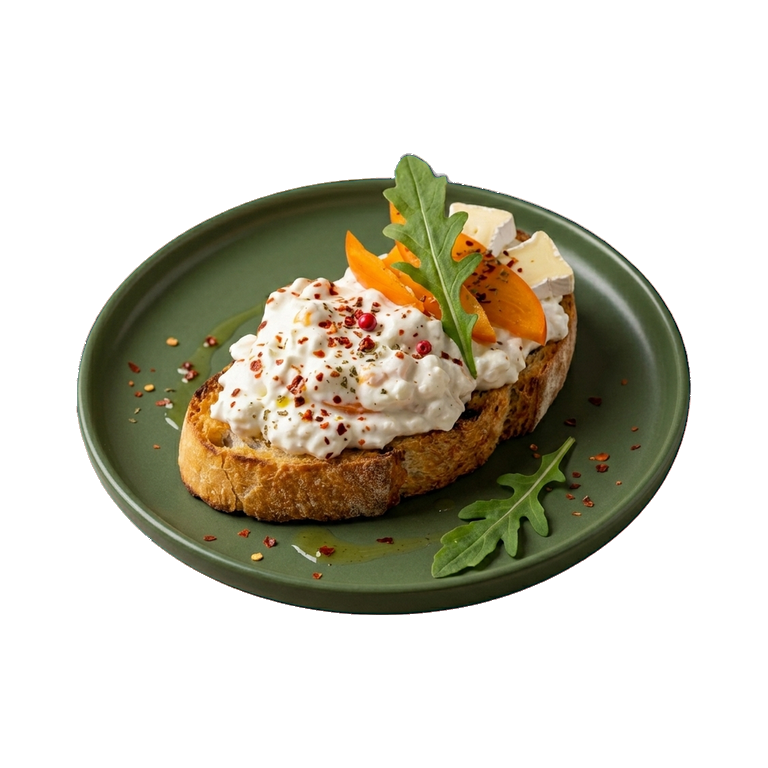
Usuba
Usuba
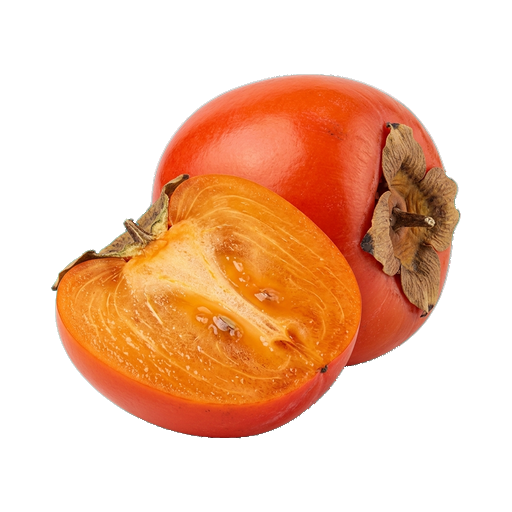
Persimmon
A sweet fruit with soft flesh and a characteristic astringent taste that fades as it ripens. Persimmon is used in desserts, compotes, jams, and as a standalone dish thanks to its natural sweetness and honey notes. When selecting, look for soft and ripe fruits — underripe varieties are highly astringent in the mouth and can spoil the impression of a dish.
About
Persimmon is a fruit that brings sweetness and delicacy to the kitchen. When it ripens, the flesh becomes almost honeyed, with a subtle astringent note that disappears as it reaches full ripeness. It is not just a dessert fruit: it works in sweet dishes, in baking, in sauces, and even in savory combinations.
Taste and Aroma
Ripe persimmon offers the sweetness of apricot with hints of date and caramel. The flesh is dense, almost creamy, when the fruit is fully ripe. Unripe persimmon has an astringent taste — this is normal, just give it time or put it in the freezer for a couple of hours, which will help eliminate the astringency.
The aroma is delicate, almost imperceptible, but when you cut the fruit, a light honey scent emerges. It's not a bold aroma, rather a subtle one that enhances the sweetness without dominating it.
Where and how to use it
- In baking — add persimmon puree to cake, cookie, or pie batter; it provides moisture and natural sweetness
- As a filling — the pulp works well in pies, tarts, and strudels
- In desserts — mousse, panna cotta, sorbet; persimmon easily transforms into a creamy base
- In sauces — with duck, pork, or goat cheese persimmon creates an interesting sweet-tart balance
- On its own — ripe persimmon is good by itself, as a snack or breakfast
How to Choose and Store
Look for soft fruits without damage. If persimmon is hard and astringent, it's not ready yet — either wait or put it in the freezer for a few hours, then thaw at room temperature. The color should be rich and orange, without dark spots.
Store ripe persimmons in the refrigerator — they will last a week or two. Leave unripe ones at room temperature, next to an apple or banana (they release ethylene, which speeds up ripening). Frozen persimmons work well for purees and sauces, but lose their structure for fresh consumption.
Food Pairings
- With dairy products — yogurt, mascarpone, cream cheese highlight the sweetness of persimmon
- With nuts — walnuts, almonds, hazelnuts add texture and depth
- With spices — cinnamon, cloves, ginger enhance the honey notes
- With citrus — lemon and orange balance the sweetness
- With meat — duck and pork contrast well with fruity sweetness
Persimmon is an ingredient that works in both sweet and savory dishes. The main rule is: choose ripe fruit and don't be afraid to experiment. From simply adding it to baked goods to creating complex sauces — persimmon will always add delicacy and natural sweetness to your dish.
Nutrition
per 100 g
- Calories
- 67 kcal
- Protein
- 0.5 g
- Fat
- 0.4 g
- Carbs
- 15.3 g
Measures and weight
- 1 pcs
- 150 g
Measure calculator
- Weight
- 100 g
- Calories
- 67 kcal