Usuba
Usuba
Tobiko Roe
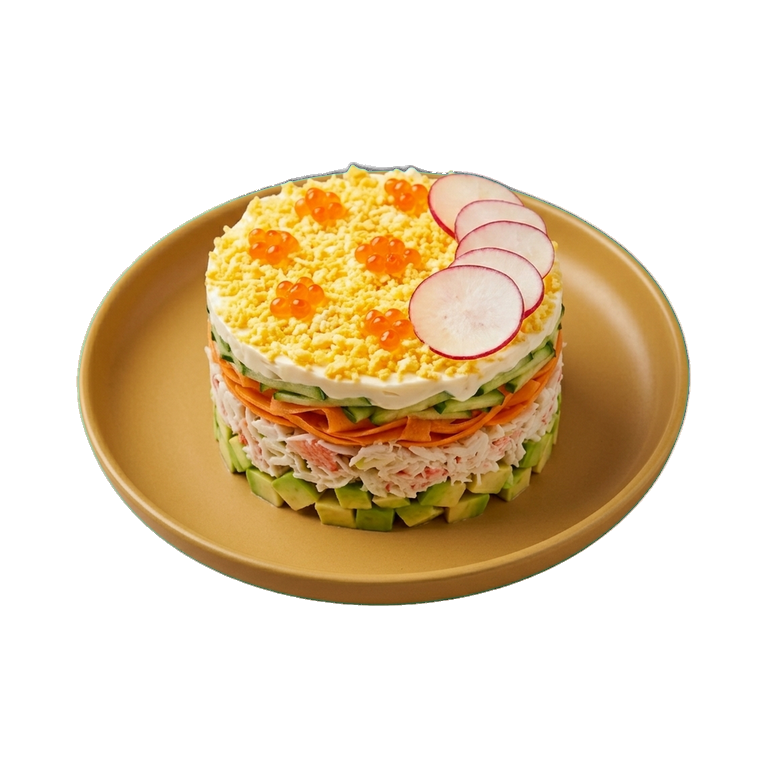
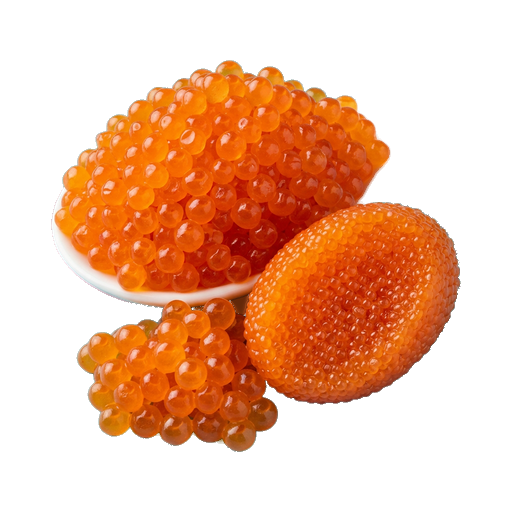
Flying fish roe with a distinctive crunch and delicate, slightly sweet flavor. It has a bright orange color in its natural state, though it is often dyed black, red, or yellow. Traditionally used in sushi and rolls to add texture and visual contrast, it pairs well with avocado, cream cheese, and seafood while not overpowering their taste.
About
Tobiko is flying fish roe that has become an indispensable ingredient in modern cuisine. It is recognized by its bright colors, crispy texture, and delicate seafood flavor. Unlike large salmon caviar, tobiko consists of tiny fish eggs that literally burst on your tongue, creating an unusual sensation of freshness and lightness.
Taste and Aroma
Tobiko caviar has a soft, unobtrusive sea flavor with barely noticeable sweetness. It does not overpower other ingredients but delicately complements them. Each caviar egg crunches between the teeth, creating a pleasant contrast of textures. Natural caviar has an orange-red hue, but colored versions are often found in stores — black, yellow, or green, which are used mainly for visual effect.
Role in dishes
- Sushi and rolls — a classic application where tobiko serves as decoration and adds texture
- Canapés and appetizers — roe looks beautiful on bread, crackers and vegetables
- Salads and bowls — topping that adds crunchiness and a seafood accent
- Soup purée or cream soup — a contrasting element that enlivens a homogeneous dish
- Pasta and risotto — caviar is added at the end of cooking to preserve its texture
Combinations and Harmony
Tobiko works well with avocado, cream cheese, salmon, and white fish. Its seafood flavor harmonizes with lemon, wasabi, and soy sauce. The caviar looks excellent alongside delicate creamy sauces and mayonnaise, creating a contrast between the creamy texture and crunchy roe. Remember that tobiko is first and foremost a visual element, so the color of the caviar should contrast with the main dish.
Selection and Storage
When purchasing, pay attention to the packaging — caviar should be hermetically sealed and stored in a refrigerated compartment. The caviar eggs should not stick together in a clump; they should be loose and separate. Natural caviar is stored in the refrigerator for up to two weeks in an airtight container, while the colored version is usually more stable. After opening the package, use the caviar within a few days. Take it out of the refrigerator immediately before serving to preserve its crispness.
Tobiko is added at the very last moment before serving to preserve the texture of the roe. If placed in a hot dish, it will lose its crunchiness and become soft.
Nutrition
per 100 g
- Calories
- 72 kcal
- Protein
- 15.5 g
- Fat
- 0.3 g
- Carbs
- 0 g
Measures and weight
- 1 tbsp
- 15.8 g
- 1 tsp
- 5.3 g
- 1 cup
- 262.5 g
Measure calculator
- Weight
- 100 g
- Calories
- 72 kcal