Usuba
Usuba
Ginger paste
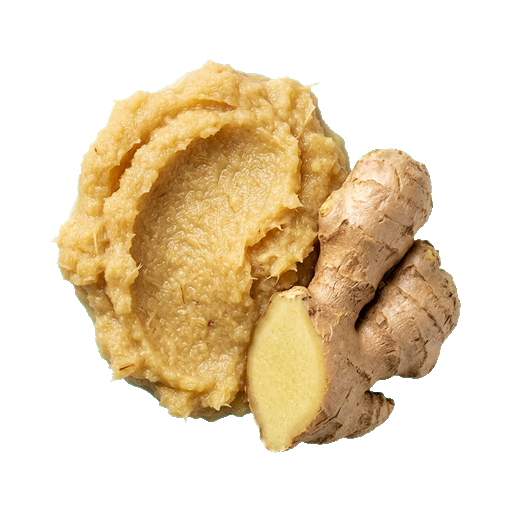
Ginger paste is a concentrated mass made from fresh or dried ginger, often with added oil and salt. It has a bright sharp flavor with a subtle heat and a characteristic spicy aroma that unfolds with warmth. It is used to quickly impart ginger flavor to dishes in Asian cuisine, marinades, sauces, and beverages, as well as a base for ginger tea — when choosing, it is important to consider the level of heat and the presence of additional ingredients, as different manufacturers vary the consistency and intensity of flavor.
About
Ginger paste is a concentrated form of fresh ginger, where the root is ground into a uniform mass. It's more convenient than grating the root every time, and much more practical than dry powder when you need that fresh taste. The paste retains the pungency, heat, and characteristic aroma of the root, but saves you from mess on the cutting board and grater.
Spiciness and Aroma
The taste of ginger paste is a sharp, slightly burning note with a warm, somewhat sweet undertone. The smell is pungent and fresh, unmistakable. The intensity depends on concentration: pure paste made from ginger alone will be more powerful than one diluted with oil or water.
When heated, the sharpness of the paste softens, and the aroma becomes warmer and cozier. This is important to remember if you are cooking soups, sauces, or marinades — the paste is added at the end of cooking or directly to the hot dish to preserve its freshness.
Where to use
- Asian dishes: curry, tom yum, fried rice, noodles. Paste is the main ingredient here, it's added to curry paste or oil at the beginning of cooking.
- Marinades and dressings: for meat, fish, vegetables. Mix with soy sauce, lemon and oil — you'll get a fragrant marinade in two minutes.
- Beverages: tea, compotes, hot lemonade. One teaspoon of paste will brew faster than a piece of fresh root and will give a more even flavor.
- Sauces and soups: add at the end of cooking to preserve freshness and heat.
- Baking and desserts: ginger cookies, muffins, creams. Paste mixes evenly and doesn't require straining.
Dosage and substitution
One teaspoon of paste is roughly equivalent to a tablespoon of fresh grated ginger. Start with half a teaspoon if you're worried about overdoing the heat — the paste is concentrated, and it's easy to add more, but harder to remove.
If you don't have paste, use fresh grated ginger twice the volume. Dry ground ginger has a completely different taste, milder and warmer, so use three times less than paste and add it to dishes where freshness is not critical.
Selection and Storage
When purchasing, check the ingredients: it's best if it's simply ginger, possibly with a little salt or lemon juice for preservation. The paste should be homogeneous, without layers or lumps. The color should be light beige or cream, and the smell should be distinctly ginger-like, without any mustiness.
Pasta is stored in the refrigerator in a tightly sealed jar for 2–3 weeks, in the freezer for several months. If you notice mold or a strange smell, the pasta should be discarded. The most convenient way is to freeze the pasta in portions in ice cube trays — this way you always have the right amount on hand.
Pairings
- With garlic and lemon: a classic trio for marinades and sauces.
- With coconut milk: a base for creamy curries and soups.
- With soy sauce: a base for Asian marinades and dressings.
- With honey: for beverages, glazes, desserts — honey softens the heat.
- With turmeric: they enhance each other in anti-inflammatory beverages and curries.
- With cardamom and cinnamon: in baking and sweet dishes, ginger becomes warmer and more aromatic.
Ginger paste is an investment in convenience and cooking speed. It won't replace fresh ginger in every dish, but for regular use in Asian cuisine, drinks, and marinades, it's indispensable. One jar can last you several weeks if you cook frequently.
Nutrition
per 100 g
- Calories
- 51 kcal
- Protein
- 1 g
- Fat
- 0.5 g
- Carbs
- 10 g
Measures and weight
- 1 tbsp
- 16.5 g
- 1 tsp
- 5.5 g
- 1 cup
- 275 g
Measure calculator
- Weight
- 100 g
- Calories
- 51 kcal