Usuba
Usuba
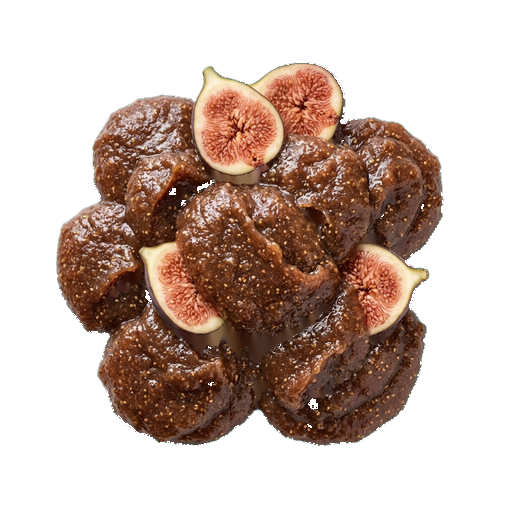
Fig Jam
A thick and sweet fig jam with a rich berry flavor and subtle tartness that holds its shape well thanks to the high pectin content in the fruit. Used as a filling for baked goods, an addition to yogurts and cheese, and a base for sauces for meat and poultry. When choosing, pay attention to the consistency — quality jam should be smooth without lumps. As a substitute, apricot or plum jam with similar density will work.
About
Aroma and Taste
Fig jam is a thick, honey-like sweetness with subtle tartness and delicate nutty undertones. Ripe figs give the jam a soft, almost creamy taste that doesn't cut your tongue with sugar, but coats it gently. The aroma is delicate and unobtrusive, with barely noticeable notes of caramel and dried fruits. The consistency is dense but not rubbery — real quality jam spreads easily on bread and doesn't drip from the edges.
Where to use in the kitchen
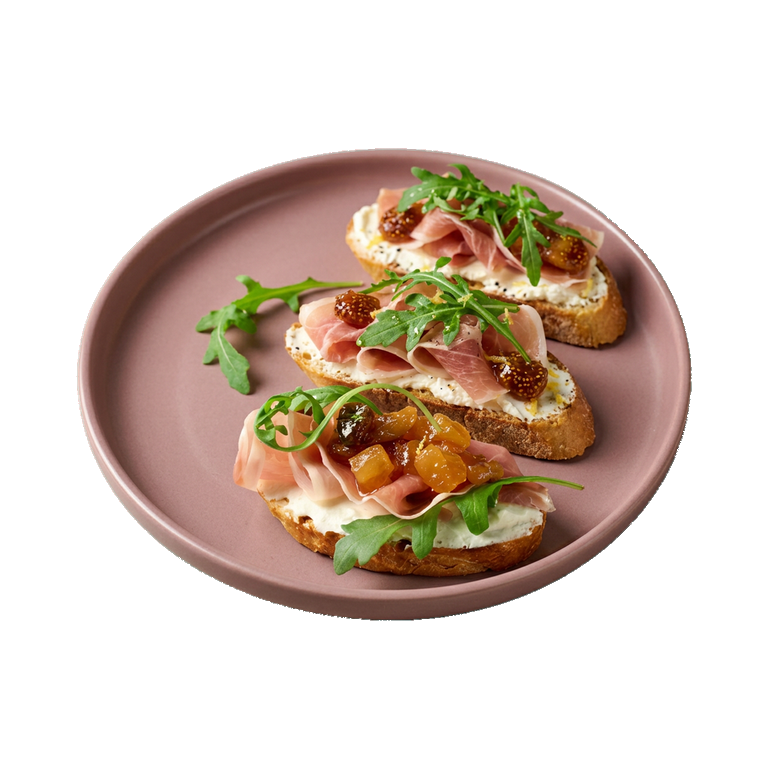
Fig jam works not only as a breakfast spread on toast. Try it with soft cheese — the contrast of sweetness and saltiness turns out quite elegant. In baking, jam becomes a filling for cookies, pies, and buns, adding moisture and depth of flavor. With duck or goose breast, jam creates a sharp sauce if diluted with a small amount of vinegar and spices. It can be added to yogurt or cottage cheese, used in marinades for meat, and even added to cocktails.
What pairs with fig jam
- Cheese: gorgonzola, hot goat cheese, mascarpone, ricotta
- Meat: duck, goose, pork, ham
- Nuts: walnuts, pistachios, almonds
- Spices: black pepper, cinnamon, cloves
- Bread and pastries: whole grain bread, brioche, cookies
How to Select and Store
When choosing fig jam, pay attention to the color: good fig jam has a dark brown or purple-brown hue. The consistency should be uniform, without layering or crystallization on the surface. Check the ingredient list — the fewer additives, the better. Ideally, it should contain only figs, sugar, and lemon juice.
Store the sealed jar in a cool, dark place — jam tolerates room temperature well due to its high sugar content. After opening, refrigerate and use within a month. If mold appears on the surface of the jam — it cannot be saved, the jar should be discarded. Homemade jam without preservatives has a shorter shelf life than commercial jam, so pay attention to the production date.
Fig jam is that rare case when a simple ingredient can transform even a modest breakfast into a delicate moment.
Nutrition
per 100 g
- Calories
- 245 kcal
- Protein
- 0.5 g
- Fat
- 0.2 g
- Carbs
- 60 g
Measures and weight
- 1 tbsp
- 19.5 g
- 1 tsp
- 6.5 g
- 1 cup
- 325 g
Measure calculator
- Weight
- 100 g
- Calories
- 245 kcal