Usuba
Usuba
Italian Sausages
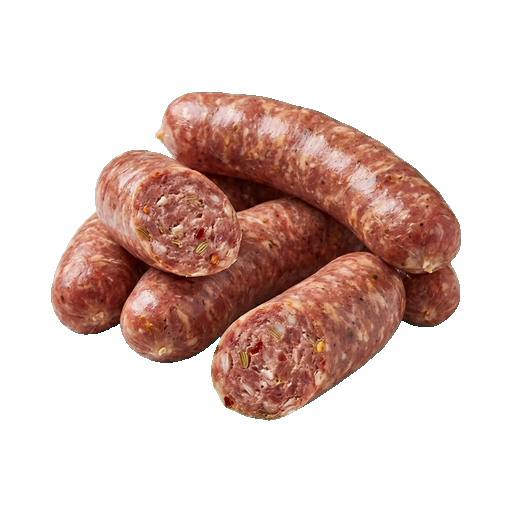
Italian sausages are meat sausages with a characteristic spicy and garlic note, often seasoned with fennel or anise. They have a coarser texture than regular sausages and a pronounced aroma, making them ideal for pasta, ragù, sandwiches, and grilled dishes. When purchasing, pay attention to the composition and prefer sausages with natural casings, which better maintain their shape during cooking and have a more authentic flavor.
About
Italian sausages are not just a meat product, but an entire philosophy of cooking. They differ from the sausages we are used to by a coarser meat grind, a generous addition of spices, and a pronounced aroma. The main thing to know: these sausages require heat treatment before eating; they are not ready for consumption in raw form.
Aroma and Taste
When you open the package, you'll be greeted by a powerful spicy aroma — this comes from fennel, garlic, and black pepper. Depending on the region of origin, the sausages can be spicy or milder, with red pepper or without. The taste is rich, with a noticeable meat base and spicy notes that fully reveal themselves during cooking.
Varieties
- Sweet (dolce) — with minimal pepper, often with fennel, more delicate in taste
- Spicy (piccante) — generously seasoned with red pepper, require respect for heat
- With fennel (finocchiona) — characteristic anise note, popular in the center of the country
How to cook
Fry sausages in a pan without oil or with minimal oil — they release enough fat on their own. Medium heat, 8–12 minutes, turning occasionally to ensure even heating. You can also bake in the oven at 180 degrees for 15–20 minutes. The key is not to prick the skin, otherwise the juices will be lost.
What dishes use
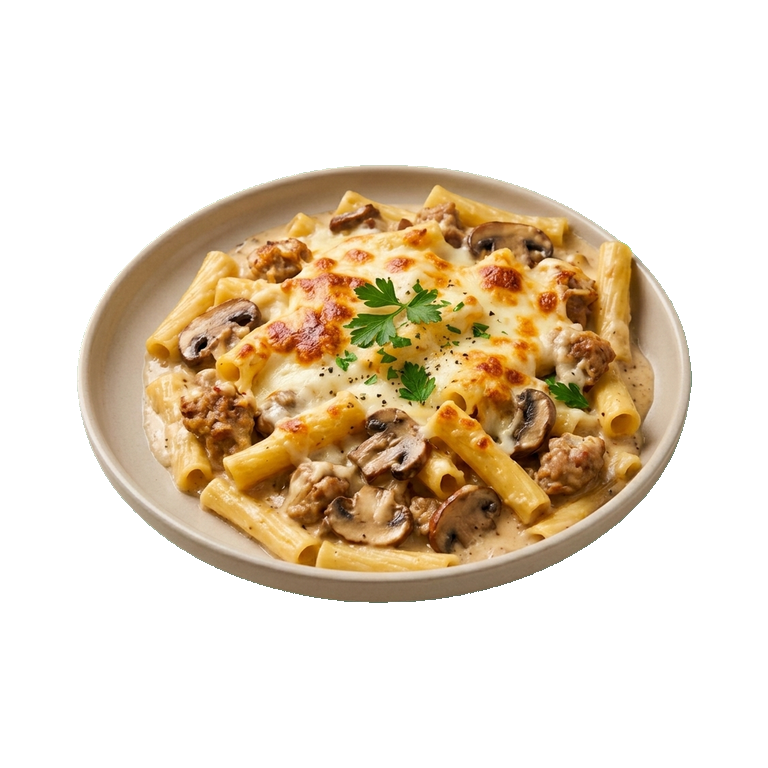
- Pasta — add chopped sausage to bolognese or arrabbiata sauces for depth of flavor
- Risotto — sausage pieces enrich the dish with a meaty aroma
- Pizza — sliced sausage holds its shape well during baking
- Stews and braised dishes — whole or broken sausages are added to vegetables and legumes
- Grilled or pan-fried — simply with fresh bread and mustard
Ingredient Combinations
Italian sausages work well with tomatoes, onions, peppers, and garlic. They are not afraid of acidity — vinegar and wine only emphasize their spiciness. Beans and lentils are excellent companions: meat and plant-based protein complement each other. Fresh herbs (parsley, basil) mute the heat if the sausages are too spicy.
Selection and Storage
When purchasing, pay attention to the production date and ingredients — quality sausages contain mainly meat and spices, without unnecessary additives. The color should be uniform, the casing intact, without damage. They are stored in the refrigerator for 3–5 days in the original packaging. They freeze well — for 2–3 months, thaw in the refrigerator before cooking.
Don't rush with the temperature when frying — too high heat will cause the casing to burst, while the meat inside will remain cold. Medium heat and patience give the ideal result.
Nutrition
per 100 g
- Calories
- 290 kcal
- Protein
- 12 g
- Fat
- 25 g
- Carbs
- 2 g
Measures and weight
- 1 pcs
- 85 g
Measure calculator
- Weight
- 100 g
- Calories
- 290 kcal