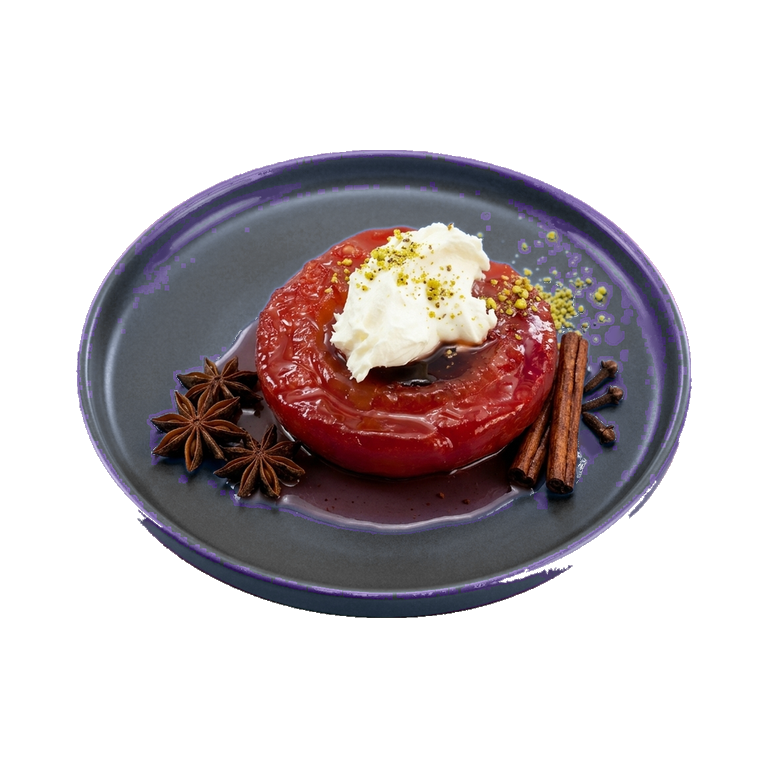
Usuba
Usuba
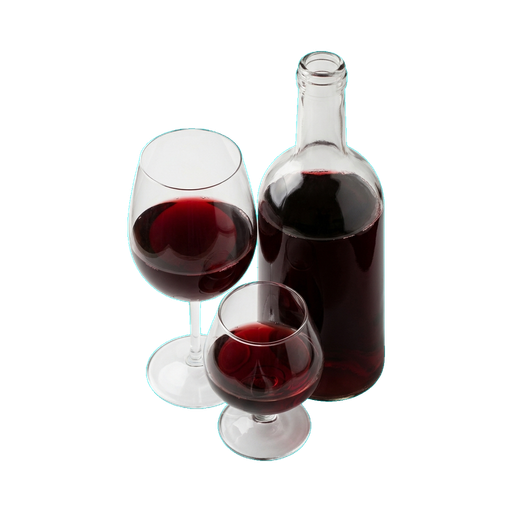
Cahors wine
Kagor is a fortified dessert wine with high sugar and alcohol content, characterized by a deep ruby color and rich, almost berry-like aroma with notes of dried fruits and spices. In cooking, it is used for preparing meat sauces, marinades, and for stewing fruits and creating confectionery creams, where it adds sweetness and a complex flavor profile to dishes. When selecting, it is important to pay attention to the alcohol content and residual sugar, as different varieties can vary significantly in taste intensity and degree of sweetness.
About
Kagor is a fortified wine with a thick, rich taste and deep red color. Its main characteristic is that it is simultaneously sweet and heavy, almost like a liqueur, but with wine structure. In cooking, it is not just a beverage, but a full-fledged ingredient that transforms dishes with its concentrated sweetness and fruity notes.
Aroma and Taste
Kагор smells of ripe berries, plum, and a bit of raisin — this is the base of its aroma. The taste features caramel and chocolate notes, sometimes with a slight bitterness on the finish. High sugar content makes it sweet, but not cloying, if used correctly. The strength is usually 16–18%, which gives it density and a warming effect.
Role in dishes
In cooking, Khagor works as a flavor enhancer and gives dishes depth. It is added to sauces for meat, especially duck or beef — the wine complements game and creates a noble, slightly vinous note. In desserts and baked goods, Khagor helps reveal fruity aromas and adds a soft sweetness without excessive sugar content.
Successful Pairings
- Red meat (beef, venison) — cahors emphasizes richness and adds elegance to sauces
- Poultry (duck, goose) — wine balances fattiness and adds piquancy
- Mushrooms — especially white and wild varieties, they absorb wine flavor excellently
- Dried fruits and nuts in desserts — cahors enhances their depth
- Chocolate dishes — wine highlights the bitter notes of cocoa
How to Use and Store
It is best to add Kagor wine to a dish at the stage when the wine has had time to simmer and impart its flavor. If you cook it for too long, the alcohol will evaporate, leaving only sweetness and fruity notes. For sauces, 50–100 ml per serving is sufficient. Store an opened bottle in a cool place — Kagor is stable due to its alcohol content, but it is better not to leave it for too long. Sealed wine keeps for years without losing quality.
Selection and substitutions
When choosing Kagor, look at the color — it should be dark red, almost garnet. The aroma should be pleasant, without vinegar notes. If Kagor is not on hand, you can replace it with a mixture of red wine with a small amount of sugar or honey, but the result will be less deep. Port or Madeira will also work, but they will give a different flavor profile.
Kagor is a wine for those who want to add elegance and complexity to a dish. It doesn't rush, requires no special skills, and works equally well in both classic and modern recipes. The main thing is not to overdo it and give the wine time to open up on the heat.
Nutrition
per 100 ml
- Calories
- 147 kcal
- Protein
- 0.2 g
- Fat
- 0 g
- Carbs
- 16 g
Measures and weight
- 1 tbsp
- 15.3 g
- 1 tsp
- 5.1 g
- 1 cup
- 255 g
Measure calculator
- Weight
- 100 g
- Calories
- 144 kcal