Usuba
Usuba
Chervil
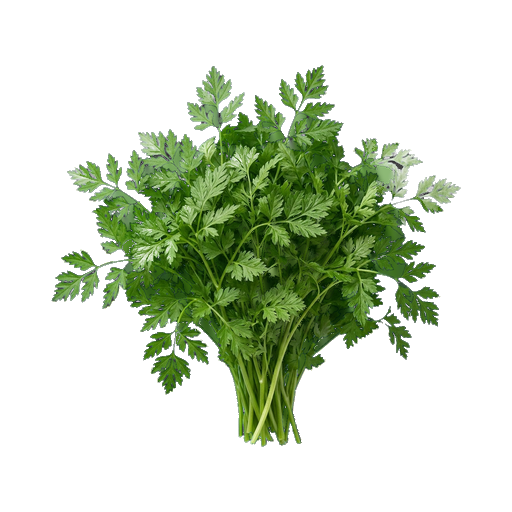
Chervil is a delicate green herb with a subtle anise aroma and delicate flavor, similar to parsley but more refined and fragile. Used in classical French cuisine to garnish and flavor soups, omelets, fish dishes, and sauces, and is also part of bouquet garni. Chervil is added at the end of cooking or just before serving to preserve its delicate taste and the fragile structure of its leaves.
About
Tender greens with delicate aroma
Chervil is a delicate herb that often remains in the shadow of parsley and dill, although it absolutely deserves more attention. Its leaves are thin, lacy, almost airy, and the taste is mild and slightly sweet with a barely perceptible anise note. When you first put a sprig in your mouth, the sensation is not sharp or intrusive at all — rather, it's a delicate hint of freshness. This very subtlety makes chervil an ideal choice for dishes where you need greens, but not their dominant flavor.
Where and how to use it
Chervil is part of the classic French herb mixture "fines herbes" along with parsley, tarragon, and chives. This combination has been used for centuries in sauces, omelets, and fish dishes. But chervil also works wonderfully on its own: sprinkle it over mushroom cream soup just before serving, add it to a salad with tender vegetables, or use it to garnish a seafood dish.
- Omelets and egg dishes — chervil emphasizes the delicacy of eggs without overpowering their taste
- Creamy soups — especially potato, mushroom, and white fish
- Meat broths and consommé — adds freshness without disrupting the purity of flavor
- Salads with light dressings — chervil doesn't compete with oil and vinegar
- Béarnaise and hollandaise sauces — traditional component
Combinations and Usage Rules
Chervil pairs well with delicate flavors: white fish, seafood, cream sauces, and tender vegetables. It is not overpowered by sharp spices and garlic, which is why it is often added to classic French dishes, where every ingredient matters. The main rule is that chervil is almost always added at the end of cooking or right before serving to preserve its delicate aroma. Even a few minutes on a hot pan can make it tasteless.
How to Choose and Store
Look for bunches with bright, firm leaves without dark spots or wilting. Chervil loses freshness quickly, so try to use it on the day of purchase or the next day. If you need to keep it longer, wrap it in a damp paper towel, place it in a bag, and store it in the refrigerator — this way it will last 3–4 days. Freezing chervil is not recommended: it will lose its structure and will only be suitable for broths.
The freshness of chervil is its main advantage. If the herb has started to darken or wilt, it's better not to use it: instead of a delicate aroma, you will get bitterness. Therefore, buy chervil in small portions, only when you know you will cook with it soon.
Nutrition
per 100 g
- Calories
- 23 kcal
- Protein
- 2.3 g
- Fat
- 0.6 g
- Carbs
- 4.9 g
Measures and weight
- 1 tbsp
- 3 g
- 1 tsp
- 1 g
- 1 cup
- 50 g
- 1 bunch
- 30 g
Measure calculator
- Weight
- 100 g
- Calories
- 23 kcal