Usuba
Usuba
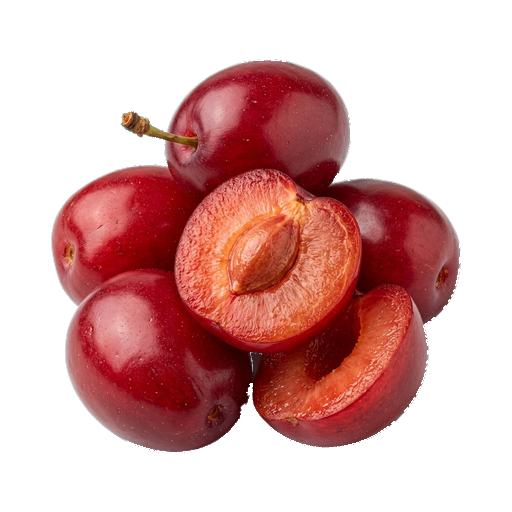
Cornelian cherry
Cornelian cherry is a berry with red or dark red color, featuring a tart, slightly astringent taste and a light fruity aroma. It is primarily used for making jams, compotes, sauces, and beverages due to its high pectin and vitamin C content. When selecting, look for firm berries without damage; fresh cornelian cherry has a short shelf life, so it is often frozen or dried for long-term storage.
About
Cornelian cherry is a berry that often remains in the shadow of more popular fruits, although it deserves a place in the kitchen of everyone who cooks with passion. Small, bright red fruits with a pit inside have a characteristic tart taste with a slight astringency and an almost medicinal aroma. When you first try cornelian cherry, it seems that the taste is a bit aggressive — but this is exactly what makes it such a valuable helper in the kitchen.
Aroma and Taste
Cornelian cherry is characterized by pronounced acidity — this is its main feature. The taste contains notes of cherry, pomegranate, and even a hint of tannic astringency, like unripe grapes. The berry's aroma is intense, slightly spicy, with fruity notes. Ripe cornelian cherry becomes softer, but the acidity remains — and this is good, because it's precisely what works in dishes.
Role in dishes
In cooking, cornelian cherry works as an acidic accent and natural preservative. Thanks to its high pectin content, the berry is ideal for jams, compotes, and syrups — it cooks quickly and holds its shape well. Cornelian cherry is often used in meat sauces: its acidity cuts through richness, while its astringency adds complexity. In some cuisines, the berry is dried and added to pilaf or rice — there it works like lemon juice, but with its own character.
What pairs with
- Duck, goose, pork — cornelian cherry softens richness and adds freshness
- Honey and sugar — enhance sweetness, soften acidity in jam
- Cinnamon, clove, star anise — spices highlight the tartness of the berry
- Rice and cereals — cornelian cherry gives them a bright flavor contrast
- Cottage cheese and yogurt — cornelian cherry acidity naturally combines with lactic acid
Selection and Storage
When selecting, look for fruits with a bright red color, without dents and dark spots. The berry should be firm but not hard as a stone — ripe dogwood yields slightly when pressed. If the fruits look dull red or brownish, they are either unripe or have started to spoil. Fresh dogwood is stored in the refrigerator for no more than a week, so it's better to use it immediately or process it.
For long-term storage, dogwood berries are frozen, dried, or cooked in syrup. Frozen berries retain their flavor and texture, while dried ones become more concentrated and are excellent for adding to winter dishes. Dogwood jam lasts the longest — its acidity and pectin are natural preservatives.
Cornelian cherry is a berry that deserves respect for its taste. Do not try to over-sweeten it or overpower it with other flavors. Let it be sour, tart, and bright — that is its essence.
Nutrition
per 100 g
- Calories
- 45 kcal
- Protein
- 1.1 g
- Fat
- 0 g
- Carbs
- 9.7 g
Measures and weight
- 1 pcs
- 5 g
Measure calculator
- Weight
- 100 g
- Calories
- 45 kcal