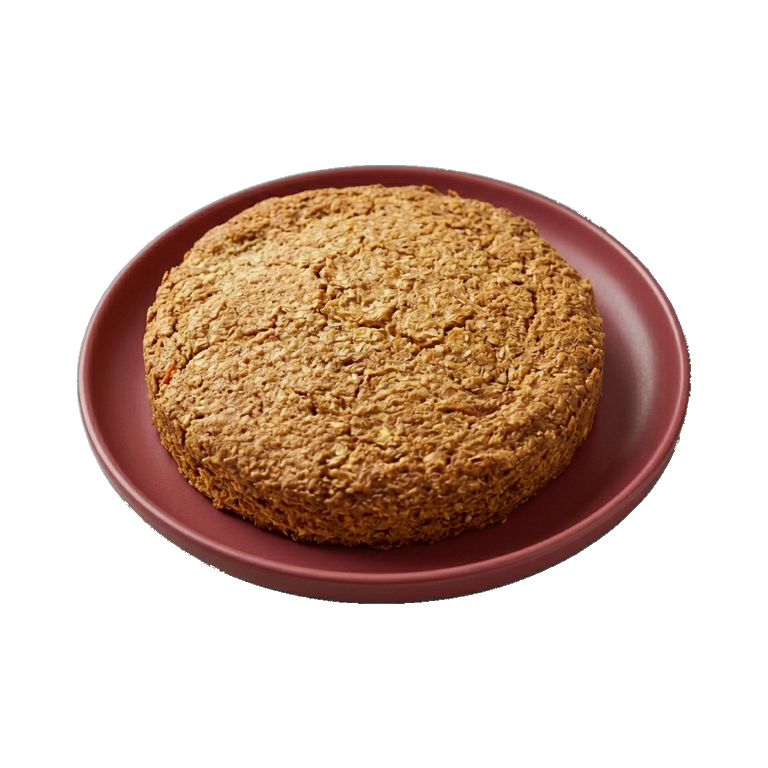
Usuba
Usuba
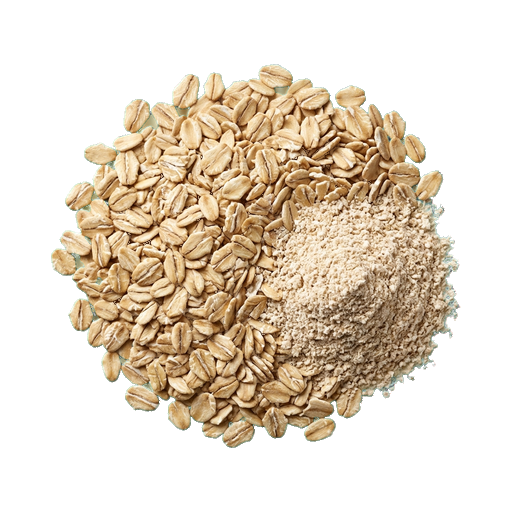
Dietary fiber
Fiber is a dietary fiber that the body does not digest, but which is necessary for the proper functioning of the digestive system. It is found in vegetables, fruits, grains, and legumes, helps improve digestion, slows down carbohydrate absorption, and maintains a feeling of fullness for longer. When adding fiber to your diet, it is important to increase its amount gradually and drink enough water to avoid discomfort.
About
Fiber is dietary fiber that the body does not digest, but it plays a key role in digestive function and overall health. In cooking, fiber is present everywhere: in vegetables, fruits, grains, legumes, and nuts. There's no need to search for it separately — it is a natural part of whole foods that we prepare every day.
Where to find fiber in the kitchen
- Vegetables with skin: carrots, beets, tomatoes, broccoli, eggplants — skin contains maximum fiber
- Whole fruits: pears, apples, raspberries, black currants — don't peel before eating
- Whole grains: brown rice, oatmeal, buckwheat, pearl barley, wheat bran
- Legumes: lentils, chickpeas, beans, peas — leaders in fiber content
- Nuts and seeds: almonds, walnuts, flaxseeds, sunflower seeds
How to Cook with Fiber
When cooking, try to preserve the skin of vegetables and fruits — that's where most of the fiber is concentrated. Boiled vegetables lose some fiber in the water, so soups and broths are a good way not to lose what's useful: the fibers remain in the dish. If you use vegetable or fruit puree, it contains fiber, although its structure changes.
Balance and gradual increase
If you are accustomed to refined foods and have decided to add more fiber, do it gradually. A sharp increase can cause bloating and discomfort. Increase the proportion of whole grains, legumes, and raw vegetables over several weeks, while drinking more water at the same time — it helps fiber work more effectively.
Practical Combinations
- Raw vegetable salads with whole grain bread — a classic combination for maximum fiber
- Whole grain porridge with berries and nuts — a complete breakfast with high fiber content
- Vegetable puree soups with added legumes — double dose of fiber in one bowl
- Fruits with skin as a snack instead of peeled — a simple way to not lose beneficial nutrients
Selection and Storage of Fiber-Rich Products
Fresh vegetables and fruits lose fiber over time, so buy them more often and in smaller quantities. Frozen vegetables and berries retain fiber just as well as fresh ones — a convenient option for year-round use. Whole grain cereals and legumes store well for a long time in a dry, cool place, protected from moisture and pests. Nuts and seeds are best kept in the refrigerator to prevent the oils in them from oxidizing.
Fiber is not a supplement, but a natural part of a complete diet. You don't need to count or weigh it; it's enough to choose less processed products and cook with them consciously.
Measures and weight
- 1 tbsp
- 4.5 g
- 1 tsp
- 1.5 g
- 1 cup
- 75 g
Measure calculator
- Weight
- 100 g