Usuba
Usuba
Coffee extract
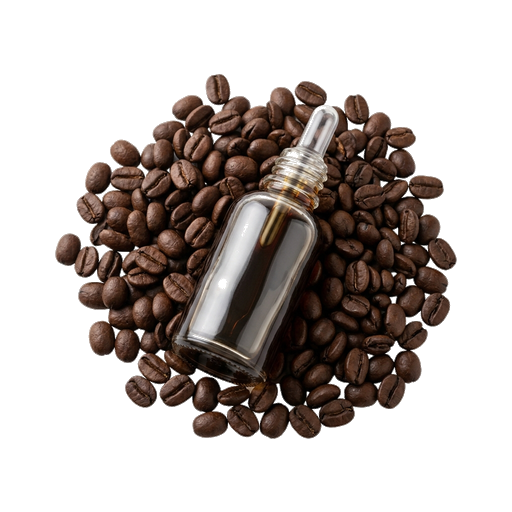
A concentrated product made from dissolved solids of coffee beans, characterized by an intense bitter taste and rich aroma. Used in baking, desserts, beverages, and sauces to impart deep coffee flavor without adding liquid, making it particularly useful in recipes where excess moisture should be avoided. When substituting natural coffee with extract, its concentration must be taken into account — a small amount is sufficient to achieve the desired result.
About
Coffee extract is a concentrated essence of coffee that provides an intense flavor and aroma without the need to brew whole beans. It is obtained by dissolving ground coffee in water or alcohol, followed by filtration and evaporation. The result is either a dark-colored liquid or a powder, depending on the processing method. It is a convenient tool for those who want to add coffee notes to desserts, beverages, and even main dishes without extra hassle.
Taste and Aroma
Coffee extract has a deep, rich flavor with bitter notes and a slight acidity. The aroma is pronounced and recognizable — exactly what is associated with strong black coffee. The intensity can be adjusted by the amount of extract, making it easy to achieve both a subtle hint and a dominant coffee character in a dish. Liquid versions are usually more aromatic, powdered versions are more concentrated in taste.
Where and How to Use
- Desserts and baked goods: cakes, cupcakes, cookies, chocolate creams — extract enhances coffee flavor without excess moisture
- Beverages: cocktails, coffee liqueurs, milk shakes, hot chocolate
- Ice cream and frozen desserts: a few drops create rich coffee flavor
- Sauces and glazes: extract works well in chocolate sauces, caramel
- Marinades and rubs for meat: coffee emphasizes depth of flavor in barbecue and smoked meats
Dosage and Combinations
Start small — literally just a few drops of liquid extract per portion of dough or cream. The powdered variant is used in a ratio of 1–2 teaspoons per kilogram of dough. Coffee extract pairs wonderfully with chocolate, vanilla, cinnamon, cardamom, and black pepper. Combined with cocoa powder, it creates a rich, layered flavor. It works well with salt — a small pinch enhances the coffee character.
Selection and Storage
When choosing, pay attention to the composition: it's better if it's pure coffee extract without additives and preservatives. Liquid versions usually contain a small percentage of alcohol — this helps preserve the aroma and prevents mold. Powder is more versatile for baking as it doesn't add moisture. Store the extract in an airtight container in a cool, light-protected place — this way it will retain its properties for several months. Liquid extract can be stored longer thanks to the alcohol.
Practical tip
If you are making a dessert with coffee extract for the first time, add it gradually and taste as you go. It's easier to add than to remove. When working with liquid extract, keep in mind that some of the alcohol will evaporate when heated, but the flavor will remain. For cold desserts and drinks, extract works even better — the aroma fully unfolds and doesn't fade away.
Nutrition
per 100 g
- Calories
- 200 kcal
- Protein
- 10 g
- Fat
- 0.5 g
- Carbs
- 40 g
Measures and weight
- 1 tbsp
- 16.5 g
- 1 tsp
- 5.5 g
- 1 cup
- 275 g
Measure calculator
- Weight
- 100 g
- Calories
- 200 kcal