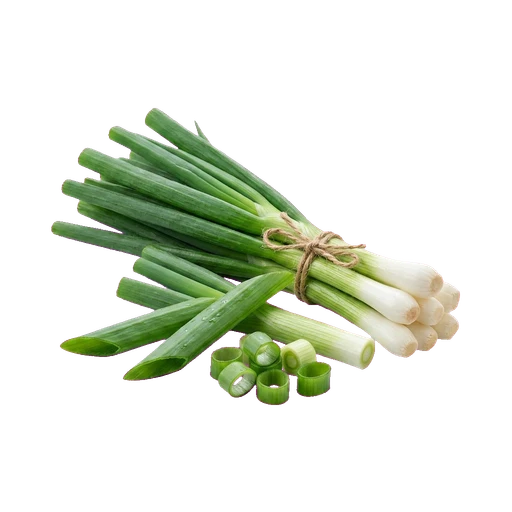
Usuba
Usuba
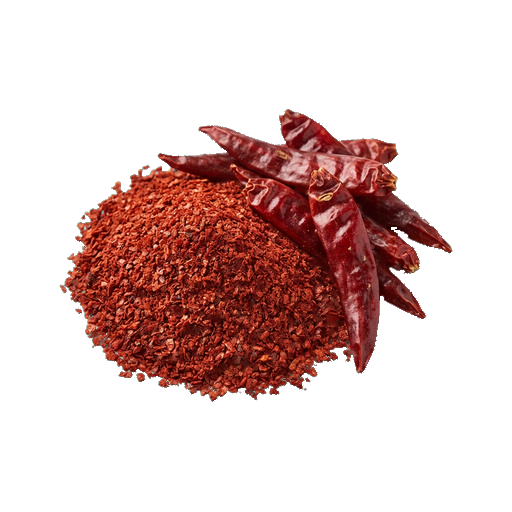
Korean chili pepper
A spicy ground spice with a characteristic pungent flavor and fruity notes, made from dried red peppers. Used in Korean cuisine as a base for hot pastes, marinades, and seasonings, especially in kimchi and gochujang. When selecting, pay attention to a bright red color and freshness of aroma — quality spice should be aromatic and have no musty smell.
About
Korean pepper is not a spicy condiment in the classical sense, but rather an aromatic seasoning with a mild, slightly sweet character. It is often confused with more pungent varieties, but in reality it works quite differently: it adds depth and warmth without overpowering the dish's own flavor. In Korean cuisine, this seasoning is one of the key elements found in marinades, pickles, and finished dishes.
Aroma and flavor profile
The main characteristic of Korean pepper is its complex aroma. It features fruity notes with a subtle smokiness and barely noticeable sweetness. The taste is milder than one might expect: the heat unfolds slowly, without aggressive pungency. This allows you to use it more generously without fear of over-seasoning the dish.
Where and how to use it
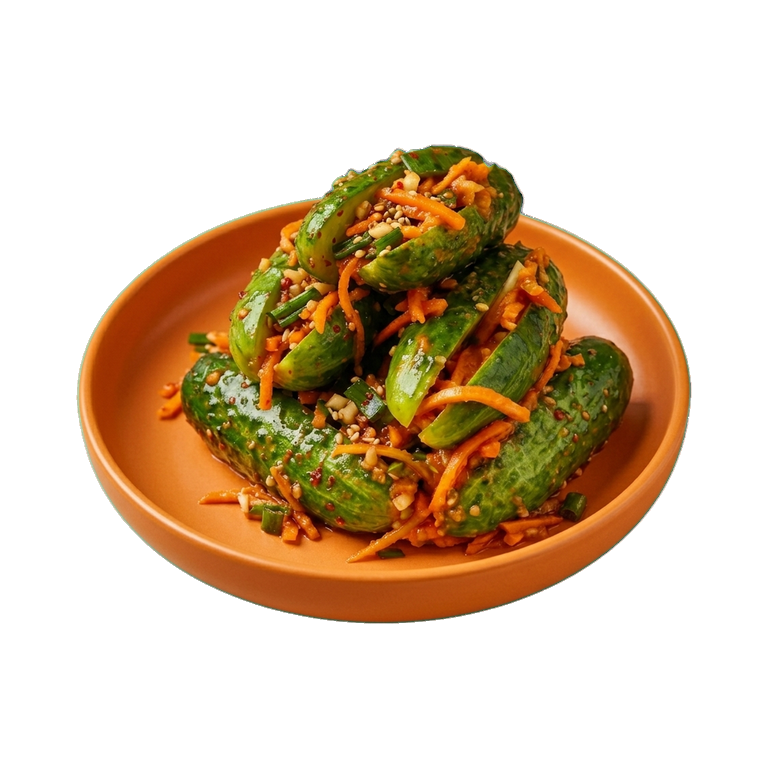
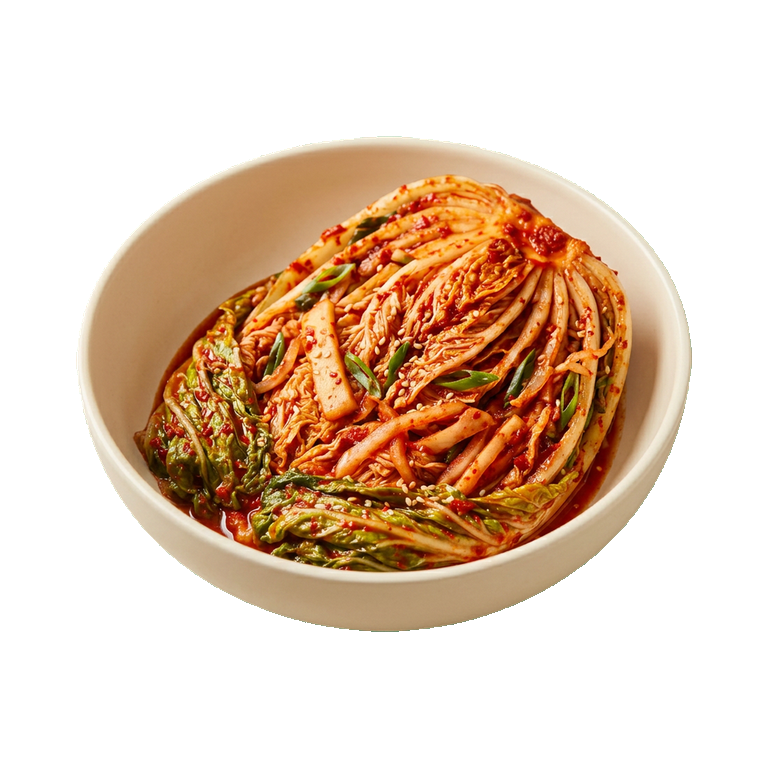
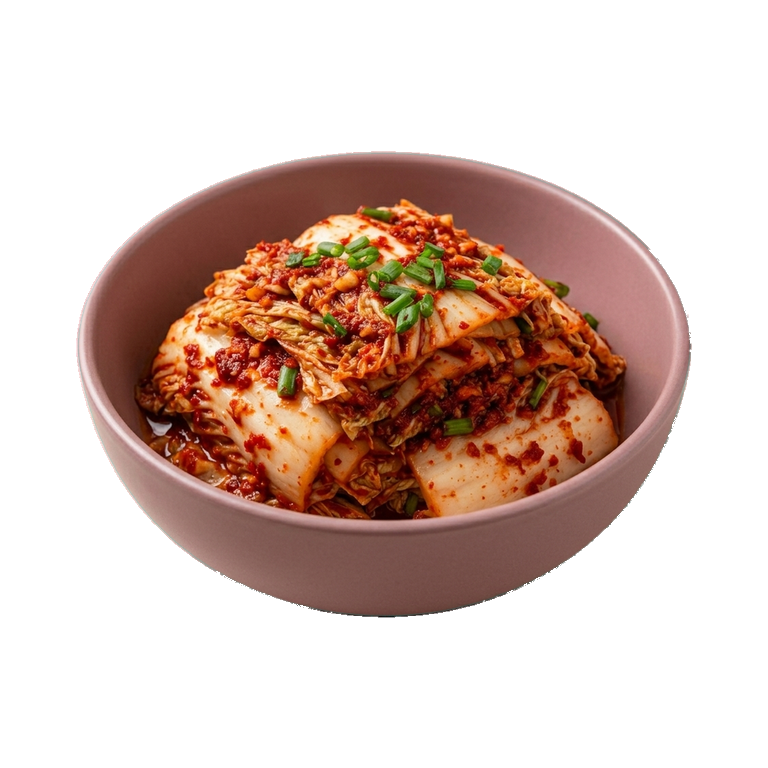
Korean chili pepper is indispensable in marinades for meat and fish — it gently seasons without overpowering the natural flavor. It is added to sauces, vegetable brines, especially for kimchi. It works well in dishes with vegetables: carrots, radishes, cucumbers. You can sprinkle it over a finished dish before serving for a light spicy accent.
- Marinades for beef and chicken
- Kimchi and other fermented vegetables
- Sauces for rice and noodles
- Toppings for finished dishes before serving
- Seasoning for soups and broths
Selection and Storage
Pay attention to the color: quality Korean red pepper has a rich red or reddish-brown shade. There should be no lumps or moisture in the package. The aroma should be bright and pleasant, without mustiness. It is better to store it in an airtight container in a cool dark place — this way the spice will retain its properties for several months.
If you have a freezer, you can portion the pepper into small bags and freeze it — it won't lose its aroma and will be convenient to use. The main thing is to protect it from light and moisture so the spice doesn't lose its volatility and doesn't become damp.
Successful Pairings
Korean chili pepper pairs well with garlic, ginger, and soy sauce — together they create a classic Asian flavor base. It works beautifully with sesame, adding depth to it. It doesn't conflict with acidity — vinegar or lemon juice. If you're preparing a spicy dish, Korean chili pepper can be combined with hotter varieties, softening their aggressiveness.
- Garlic and ginger
- Soy sauce and mirin
- Sesame and sesame oil
- Rice vinegar
- Green onion and cilantro
Nutrition
per 100 g
- Calories
- 268 kcal
- Protein
- 12 g
- Fat
- 3.3 g
- Carbs
- 49 g
Measures and weight
- 1 tbsp
- 13.5 g
- 1 tsp
- 4.5 g
- 1 cup
- 225 g
Measure calculator
- Weight
- 100 g
- Calories
- 268 kcal