Usuba
Usuba
Corinth raisin
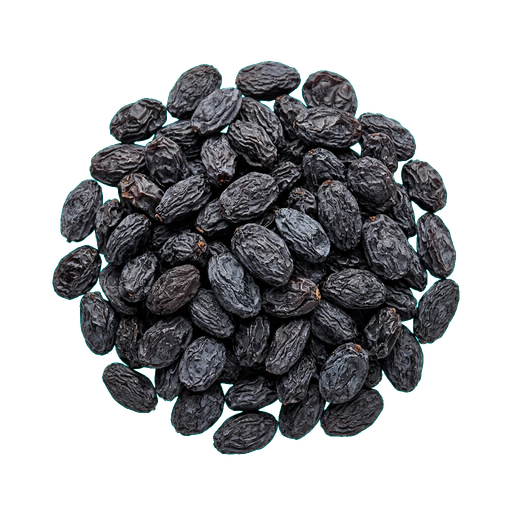
Currant is a small black seedless raisin made from a specific grape variety. The berries are distinguished by an intense sweet taste with a slight tartness and are used in baking, compotes, pilaf, and sweet dishes. When choosing currants, pay attention to moisture content and the absence of stuck-together clumps, and store them best in an airtight container in a cool place so they don't dry out completely.
About
What is a corinka and what makes it special
Corinth raisins are small black raisins obtained from seedless grapes. They differ from regular raisins in size (almost pea-sized) and an intense sweet-tart flavor with a slight bitterness. The berries are dried directly on the vine, which gives them a dense structure and concentrated aroma. In finished dishes, Corinth raisins don't become soggy like larger raisins; instead, they remain firm, making them ideal for adding textural contrast.
Taste and Aroma
The flavor profile of Corinth raisins is multilayered: the sweetness of grapes intertwines with acidity, light tannicity, and an almost fruity bitterness. The aroma is that of dried fruit, with notes of prune and dry wine. This complexity makes it a versatile ingredient — it doesn't overpower other flavors, but complements them.
Where to use coriander
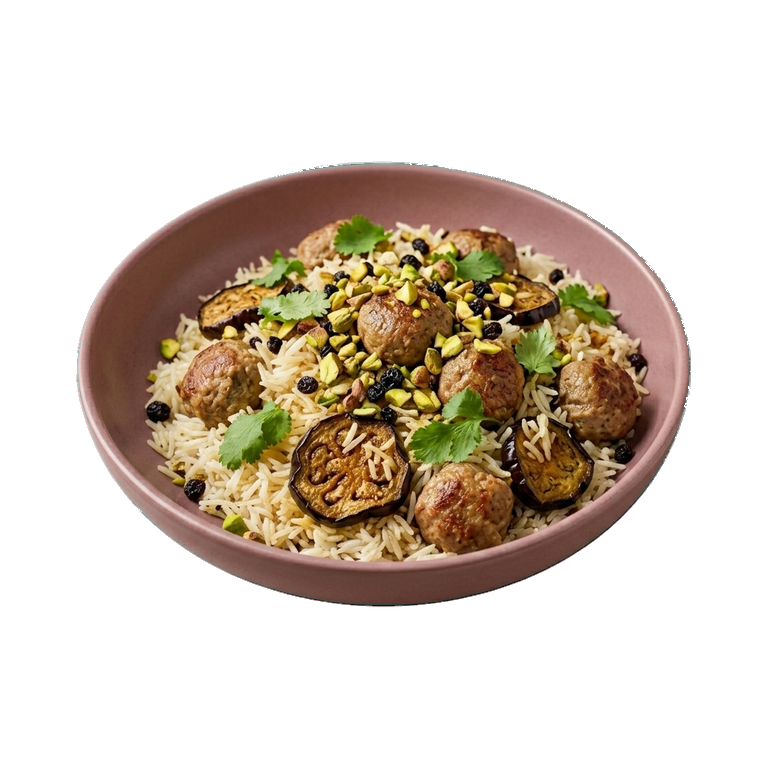
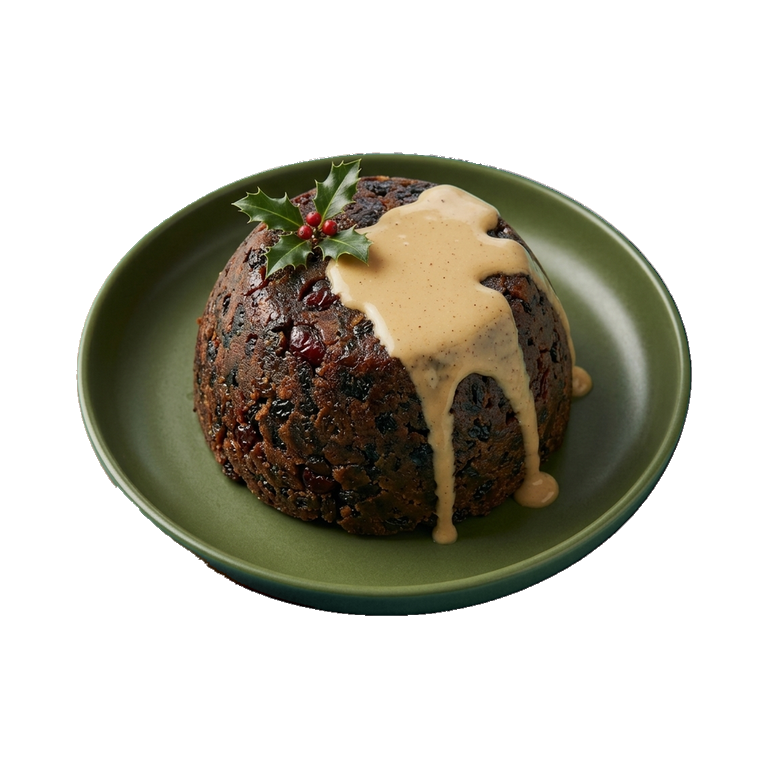
Currants are used in sweet baking — buns, cupcakes, cookies, and puddings. They are added to porridges, especially oatmeal and rice, where they bring a sweet surprise to every bite. In savory dishes — pilaf, meat stews, chicken salads — currants add contrasting sweetness and help balance rich flavors. They work well in compotes, fruit drinks, and as part of homemade granola.
Successful Pairings
- Cinnamon, cardamom and cloves — a classic duo for sweet baking
- Nuts (walnuts, almonds, hazelnuts) — add structure and depth
- Lemon zest and orange — highlight the acidity of currants
- Black pepper and turmeric — create an interesting contrast in savory dishes
- Cocoa and dark chocolate — enhance the tannin notes
How to Choose and Store
Choose black currants without light spots or mold. The berries should be firm and not stuck together in clumps. The smell should be pleasant, like dried fruit, with no mustiness. If the currants are sold loose, try one berry: it should be sweet and slightly sour, with no burnt aftertaste.
Currants are stored in an airtight container in a dry, cool place. When storage conditions are maintained, they retain their quality for 6–8 months, sometimes longer. If the berries have stuck together or hardened, they can be softened by placing them in warm water or steaming for 10–15 minutes. This will restore their elasticity and help them distribute better in the dough.
Practical Tips
- Before adding to the dough, rinse the currant under cold water and dry it — this way it won't become soggy and will distribute evenly
- Soak in liqueur, rum, or hot tea for 15–30 minutes before use — the flavor will become brighter and softer
- In pilaf and rice side dishes, add the currant together with fat at the initial stage — it will heat through and release its aroma better
- For salads and side dishes, lightly fry the currant in a dry pan — this will intensify its flavor and remove dust
Nutrition
per 100 g
- Calories
- 270 kcal
- Protein
- 2.9 g
- Fat
- 0.6 g
- Carbs
- 69.4 g
Measures and weight
- 1 tbsp
- 10.5 g
- 1 tsp
- 3.5 g
- 1 cup
- 175 g
Measure calculator
- Weight
- 100 g
- Calories
- 270 kcal