Usuba
Usuba
Shrimp Pasta
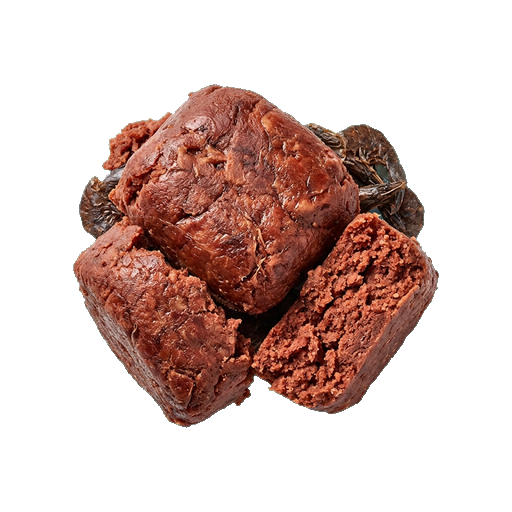
Shrimp paste is a concentrated seasoning made from dried and ground shrimp with a pronounced salty and umami flavor. Used in Asian cuisine to impart deep seafood aroma and richness to dishes, especially in soups, sauces, pastas, and rice dishes. When selecting, pay attention to the color (ranging from brown to dark red) and the homogeneity of consistency; when using, remember that the paste already contains salt, so additional seasoning should be applied more cautiously.
About
Shrimp paste is a concentrated product made from ground dried shrimp, salt, and sometimes spices. It appears as a thick brownish-pink mass with a characteristic sea aroma and salty taste. In Asian cuisine, this ingredient has long been a staple, while in European kitchens it is only beginning to be used more actively.
Aroma and taste
The aroma of shrimp paste is bright and expressive, with distinct notes of sea salinity and umami. This is not a subtle aroma: the paste makes itself known immediately in any dish. The taste is intense, salty, with a deep umami component and a slight sweetness that comes from dried shrimp. A small amount of paste can significantly change the flavor profile of a dish.
Role in dishes
Shrimp paste works as a flavor enhancer and adds depth. It is added to soups, broths, sauces, and marinades — even half a teaspoon can enrich an entire pot. In Asian cuisines, the paste is a component of many traditional curry pastes, including red and yellow. It is also excellent as a standalone ingredient in salad dressings or as an addition to butter for sandwiches.
What pairs well with
- Coconut milk and lime — a classic combination for spicy sauces
- Garlic and ginger — enhance piquancy and add warmth
- Fish sauce — complements umami, but use both ingredients carefully to avoid over-salting
- Vegetables: carrots, celery, onions — paste adds depth to them
- Rice and noodles — paste serves as the base for a spicy sauce
Selection and Storage
When choosing, pay attention to consistency: the paste should be uniform, without lumps or layers. The color varies from light brown to dark pink depending on the manufacturer and type of shrimp. Check the label for additives — some manufacturers add preservatives or sugar. Quality paste contains mainly shrimp and salt.
Shrimp paste keeps well for a long time thanks to its high salt concentration. Store the tightly sealed jar in a cool, dark place — at room temperature it can last for months. After opening, refrigerate it, where the paste will keep even longer. Don't worry if a layer of oil or liquid appears on the surface — this is normal, just stir it before use.
How to use
- Start small: a quarter or half teaspoon per serving, then add to taste
- Dissolve the paste in liquid (broth, coconut milk, lime juice) before adding to the dish to avoid lumps
- Add at the end of cooking or stewing to preserve the intensity of the aroma
- Use as a base for a marinade: mix with oil, lemon juice and spices
Remember: shrimp paste is very salty. If you use it in a dish, reduce the amount of salt in the recipe, otherwise you risk oversalting.
Nutrition
per 100 g
- Calories
- 130 kcal
- Protein
- 15 g
- Fat
- 6 g
- Carbs
- 3 g
Measures and weight
- 1 tbsp
- 16.5 g
- 1 tsp
- 5.5 g
- 1 cup
- 275 g
Measure calculator
- Weight
- 100 g
- Calories
- 130 kcal