Usuba
Usuba
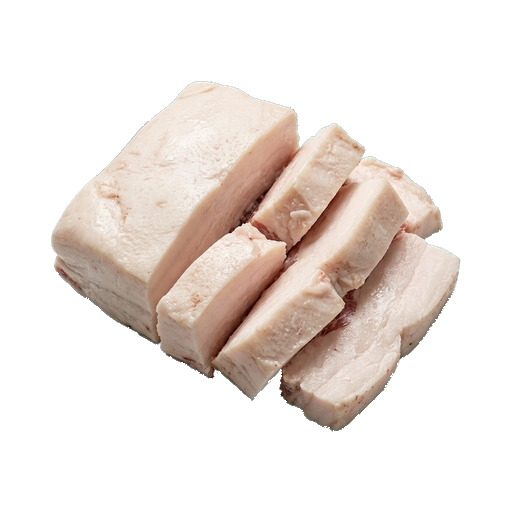
Tail fat
Tail fat is adipose tissue that accumulates in the tails of certain sheep breeds, characterized by a tender consistency and mild buttery flavor. Traditionally used in Central Asian, Caucasian, and Eastern cuisines for frying pilaf, kebabs, and other dishes, imparting a distinctive aroma and juiciness. When selecting, it is important to pay attention to color — quality fat should be light, almost white, without any off-odors or mustiness.
About
Tail fat is rendered fat from the kurdjuk, fatty deposits at the base of the tail in sheep of certain breeds. In cooking, it is valued for its high smoke point, neutral taste, and ability to give dishes a special consistency and juiciness. It is not just a frying fat, but a full-fledged ingredient that shapes the texture and flavor profile of traditional dishes of Central Asian, Caucasian, and Central Asian cuisines.
Taste and aroma
Tail fat has a soft, barely perceptible sheep aroma, which becomes more pronounced when heated, but not sharp. The taste is neutral and does not overpower the taste of the main ingredients. Rendered fat is light, almost transparent, with a clean milk tint. Due to these properties, it is ideal for dishes where you need to preserve the purity of the taste of meat, vegetables, or grains.
Where and how to use it
Tail fat is the foundation for preparing pilaf; it is added at the beginning to create an aromatic base for frying carrots and meat. It is used to cook shashlik meat, added to the filling for manti and samsa, and used for brushing flatbreads. The fat holds high temperatures well, making it suitable for deep frying and cooking over high heat. In some recipes, it is used to coat finished dishes to give them shine and juiciness.
- Pilaf and rice dishes
- Manti and dumplings
- Frying meat and vegetables
- Fillings for pastries
- Spread for flatbreads and bread
How to Choose and Store
Tail fat is sold as a rendered product, usually in glass jars or containers. Choose fat with a light, creamy color without cloudiness or foreign inclusions. The smell should be clean, without mustiness or rancidity. Check the composition on the label — it should contain only fat, without additives or preservatives.
Rendered fat keeps well for a long time because it's already rendered. Store the jar in a cool place, protected from direct sunlight — in a kitchen cabinet or refrigerator. After opening, make sure the lid closes tightly. With proper storage, the fat can last for several months without losing its properties. If you notice any change in color, smell, or consistency, it's best not to use the product.
Pairings with other ingredients
Tail fat works well with traditional Eastern spices: cumin, coriander, black pepper, and cinnamon. It pairs beautifully with onions and garlic, which are fried in it until golden. With carrots, it creates a classic combination for pilaf. Meat treated with this fat becomes tender and juicy. The fat enhances the flavor of rice without competing with it, and pairs well with chickpeas, beans, and other legumes.
If you are cooking traditional Central Asian cuisine dishes and want to achieve authentic taste and texture, lamb tail fat is not just a substitute for vegetable oil, but a necessary ingredient. Its neutrality and high smoke point make it a versatile helper in the kitchen.
Nutrition
per 100 g
- Calories
- 897 kcal
- Protein
- 0 g
- Fat
- 99.7 g
- Carbs
- 0 g
Measures and weight
- 1 tbsp
- 13.8 g
- 1 tsp
- 4.6 g
- 1 cup
- 230 g
Measure calculator
- Weight
- 100 g
- Calories
- 897 kcal