Usuba
Usuba
Kvass sediment
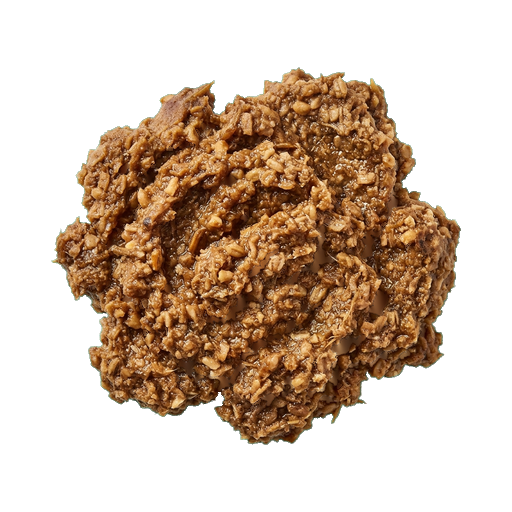
Kvas sediment is the residue remaining after straining kvas, consisting of particles of rye bread, malt, and other components. It is used in Russian cuisine for preparing cold soups, okroshka, and as a thickener for kvas-based dishes, adding a rich bread flavor and density. When selecting, it is important to ensure the freshness of the sediment and the absence of off-odors, and it should be stored in the refrigerator in an airtight container.
About
Kvass sediment is what remains at the bottom after straining homemade or industrial kvass. A dark, dense mass with an intense fermented dairy aroma and a sharp, slightly astringent taste. It's often discarded, but that's a mistake: sediment is a full-fledged ingredient that adds depth and complexity to dishes, especially if you're cooking something traditional or want to increase acidity without extra liquid.
Taste and Aroma
The sediment smells of rye bread, yeast, and fermented milk starter. In taste — sour, slightly bitter, with a barely noticeable sweetness. It is not just a seasoning: it is the concentrated flavor of kvass itself, without water. One spoonful of sediment is capable of changing the character of an entire dish, giving it authenticity and roundness.
Role in Dishes
- Okroshka and cold soups — sediment makes the base richer and more sour, replaces part of the liquid kvass
- Meat marinades — the acidity of the sediment tenderizes the fibers, and microbial flora adds depth of flavor
- Soups and borscht — add a few minutes before serving to enhance acidity and aroma
- Dough for bread and pancakes — a little sediment makes baked goods fluffier and gives them a characteristic taste
- Sauces and gravies — works as an acidic component and thickener at the same time
Pairs well with
Kvass sediment works well with potatoes, beets, meat (especially beef and pork), cucumbers and tomatoes. Its sharp flavor balances rich and heavy dishes. Spices — dill, parsley, black pepper — emphasize its character. Don't be afraid to combine the sediment with mustard, horseradish and other acidic ingredients: they enhance each other rather than compete.
Selection and Storage
The best sediment is the one left from homemade kvass made with rye bread. It is thicker, more aromatic, and contains no preservatives. If you use store-bought kvass, pour the sediment into a jar immediately after opening the bottle, before it separates.
- In the refrigerator — up to two weeks in a glass jar with a lid
- In the freezer — several months in a plastic container or ice cube trays
- On a shelf at room temperature — not recommended, the sediment spoils quickly and gets moldy
Freeze the paste in portions of one to two tablespoons — this way you can add it to dishes without thawing an entire jar. Straight from the freezer, the paste works well in hot soups and marinades.
Nutrition
per 100 g
- Calories
- 30 kcal
- Protein
- 0.5 g
- Fat
- 0.1 g
- Carbs
- 6 g
Measure calculator
- Weight
- 100 g
- Calories
- 30 kcal