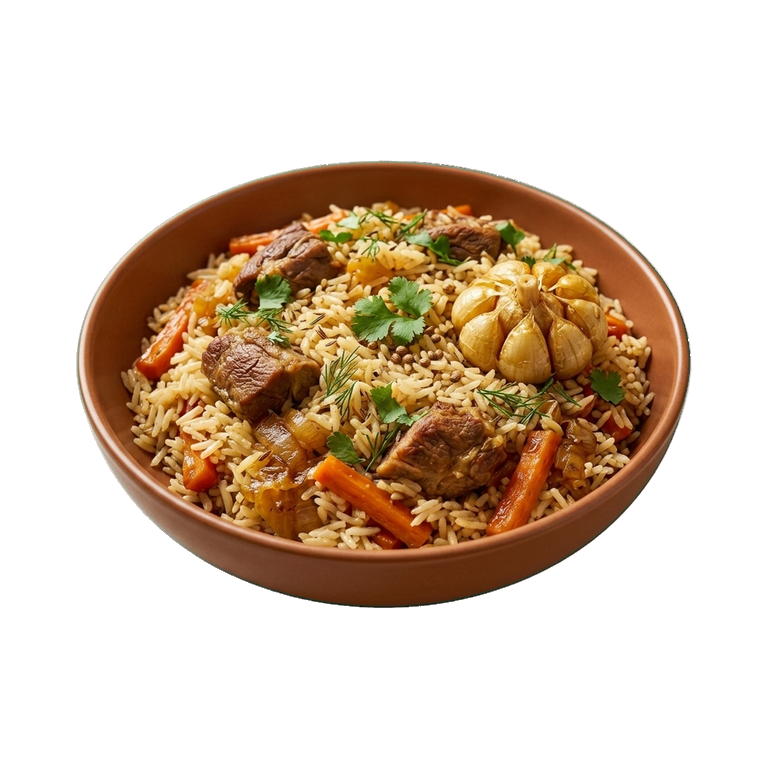
Usuba
Usuba
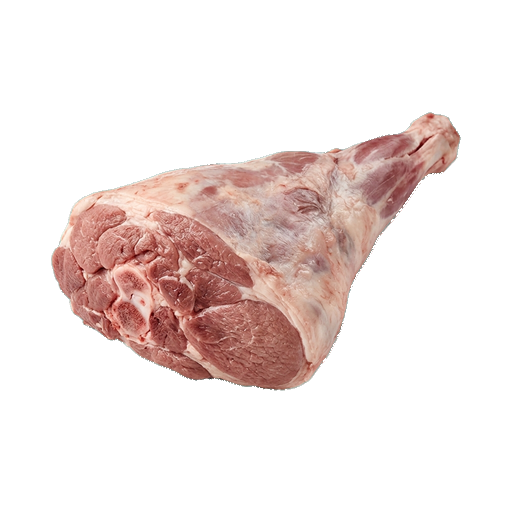
Lamb Shank
Lamb leg is the hind leg of a sheep, rich in muscle tissue and fat, with a characteristic rich meat flavor and a subtle distinctive aroma. The meat is quite tough, so it requires prolonged heat treatment — braising, boiling, or slow roasting — to become tender and soft. When selecting, pay attention to the color of the meat (should be dark red) and its smell, and when cooking, keep in mind that lamb fat melts more slowly than beef fat, so the dish may require more time.
About
Lamb leg is the hind leg of a sheep, one of the most versatile and rewarding cuts for cooking. The meat here is dense, with good fat marbling that makes the dish juicy and aromatic when heated. Leg of lamb works in any format: whole for a festive table, portioned steaks in a pan, in stew or ground meat.
Taste and Aroma
Lamb has a characteristic rich flavor — not aggressive if the meat is of high quality and properly processed. Lamb fat melts at low temperature, giving the dish softness and depth. The aroma is bright and recognizable, especially when seared at high temperature or during slow stewing.
The intensity of flavor depends on the age of the animal: young lamb provides more tender, delicate meat, while an adult ram has a more pronounced flavor. The intensity is also influenced by the animal's diet and meat storage conditions.
How to Cook Ham
A whole ham works well on low heat: bake it in the oven with vegetables, herbs, and wine — and you'll get a festive dish that will retain its juiciness inside while having a crispy crust outside. The baking time depends on the size, but on average 2–3 hours at a temperature of 160–180 degrees.
- Ham steaks (3–4 cm thick) are seared in a hot pan for 3–4 minutes on each side for a pink center
- For stews and braised dishes, cut the meat into cubes and cook for 1.5–2 hours over low heat
- Ham ground meat is suitable for cutlets, kebabs, and fillings — the meat is fatty enough not to dry out
- Ham adds a lot of flavor and collagen to broth, works well in soups and sauce bases
Pairings and Seasonings
Lamb loves strong flavors: rosemary, thyme, and oregano enhance the meat without overpowering it. Garlic, onion, and spicy spices (cumin, coriander, black pepper) are classic pairings. Acidity helps soften the intensity: lemon, vinegar, tomatoes, and yogurt balance the rich flavor well.
Serve the ham with vegetables that absorb the meat juice: potatoes, eggplant, carrots, and sweet peppers. Fresh herbs (parsley, cilantro, mint) will refresh the dish. Red wine or strong tea pairs well with this meal.
Selection and Storage
When buying, look at the color: the meat should be a rich red or dark pink, without gray spots. The fat should be light, firm, and free of rancid smell. The surface should be moist, but not wet. If the ham is whole, make sure the bone hasn't darkened and has no odor.
- Fresh ham in the refrigerator is stored for 3–4 days on the lower shelf, wrapped in parchment or in a container
- Can be frozen for up to 6–8 months; thaw in the refrigerator, not on the counter
- If you notice a color change or a sour smell appears — the meat has gone bad and should not be cooked
Lamb shank is an investment in results. Even a simple cooking method yields a delicious, satisfying dish. The key is not to be afraid of its character and to select spices and side dishes that complement it, rather than compete with it.
Nutrition
per 100 g
- Calories
- 200 kcal
- Protein
- 18 g
- Fat
- 14 g
- Carbs
- 0 g
Measure calculator
- Weight
- 100 g
- Calories
- 200 kcal