Usuba
Usuba
Lamb shanks
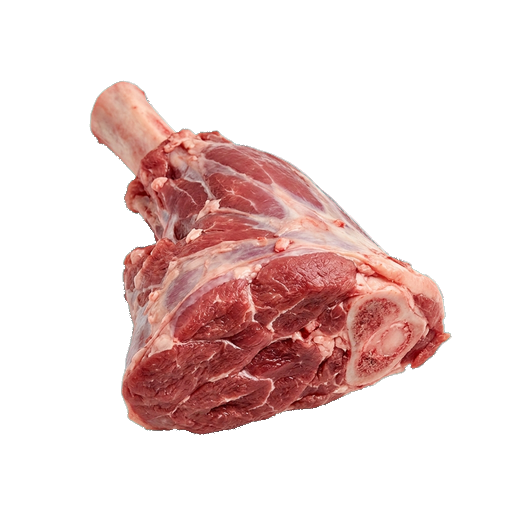
Lamb shank is the lower part of the front or hind legs with bone, containing bone marrow and surrounded by dense muscle tissue. When braised for a long time, shanks become tender and juicy, imparting a rich flavor to the broth and giving it a gelatinous consistency due to collagen. This is a classic ingredient for stews, soups, and slow-cooked dishes, requiring time to cook — usually 1.5–2 hours, so the meat separates from the bone and melts in your mouth.
About
What are lamb shanks and why are they valued
Lamb shanks are the lower part of the front or hind leg of an animal, where the meat is interwoven with connective tissue and bone. It's not the most tender cut, but that's precisely its virtue: with proper preparation, shanks become incredibly tender and juicy, and they yield a rich, deep broth. This cut requires time and patience, but the result is worth it.
Taste and Aroma
Lamb has a characteristic, recognizable taste — not sharp if the animal was young, but rather warm and rich. With prolonged boiling or stewing, the meat of the shank absorbs the aromas of spices and vegetables, becoming softer and more delicate. The fat present in this cut is not a disadvantage, but a necessity: it is responsible for the juiciness and full flavor of the dish.
How to cook and what to pair with
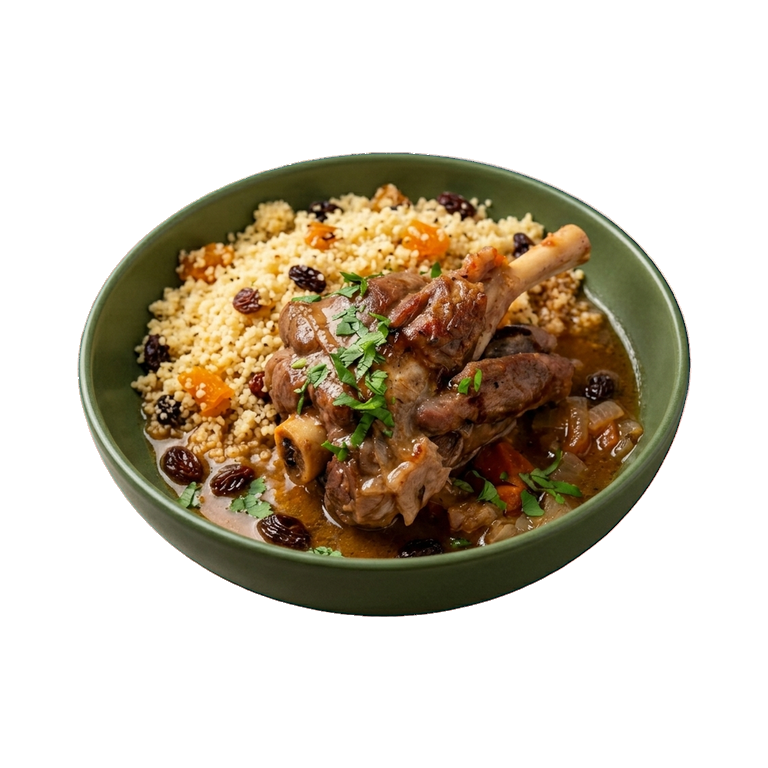
Lamb shanks are ideal for long braising — soups, stews, pilafs. They work well in hearty, warming dishes that are cooked for an hour or more. The classic approach: slow braising with onions, carrots, tomatoes, and spices. Lamb shanks pair beautifully with rosemary, thyme, bay leaf, garlic, and black pepper.
- Classic stew with potatoes and vegetables
- Pilaf with rice and carrots
- Hearty soup or shurpa
- Braised knuckles in red wine or tomato sauce
- Base for strong meat broth
Selection and Storage
When choosing a shank, look at the color of the meat — it should be pink or red, without dark spots or slime. The bone should be light-colored, without darkening. Smell it: fresh meat has a pleasant, neutral odor. Shank is stored in the refrigerator for two to three days, in the freezer for several months. Before cooking, let it thaw in the refrigerator, not at room temperature.
Before placing the knuckle in the pot, scald it with boiling water or wipe it with a damp cloth to remove dirt. If there are hairs on the surface, singe them over a flame. This simple preparation will make the broth cleaner and clearer, and the dish itself more appetizing.
Nutrition
per 100 g
- Calories
- 200 kcal
- Protein
- 17 g
- Fat
- 15 g
- Carbs
- 0 g
Measures and weight
- 1 pcs
- 400 g
Measure calculator
- Weight
- 100 g
- Calories
- 200 kcal