Usuba
Usuba
Langoustines
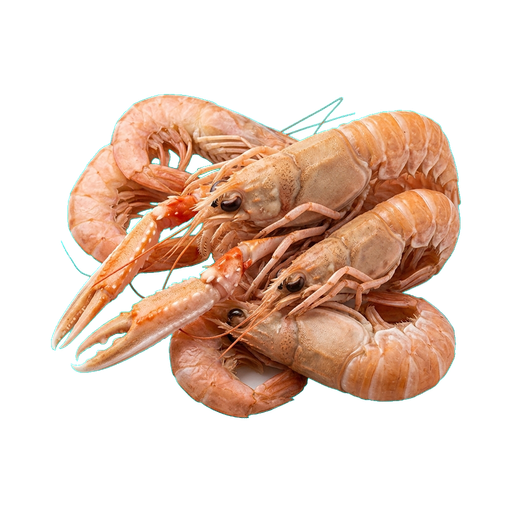
Langoustines are medium-sized sea prawns with tender, slightly sweet meat similar to shrimp but firmer and more delicate. Langoustine meat cooks quickly and absorbs flavors from sauces and spices well, which is why they are often served with butter, garlic, lemon, or as part of paella and risotto. When selecting, pay attention to shell firmness and the absence of unpleasant odors — fresh langoustines have a barely noticeable sea aroma.
About
Langoustines are medium-sized sea crustaceans that occupy an honorable place between shrimp and lobsters. Their meat is tender, slightly sweet, and much more delicate than that of large lobsters, yet firmer and more aromatic than shrimp. If you want to elevate your seafood dish but are not ready for the complexity of working with a whole lobster, langoustines are the ideal choice.
Aroma and Taste
Langoustine meat has a delicate, slightly sweet flavor with a hint of the sea. It doesn't overpower other ingredients but complements them, which is why langoustines work well in complex dishes. The tail contains the most meat — dense and sweet. The claws are thinner, but the meat there is more tender and suitable for more delicate preparations.
How to cook langoustines
Langoustines require minimal processing — their delicate meat is easily ruined by overcooking. The most reliable method is boiling in salted water or steaming: live langoustines are placed in boiling water for 4–5 minutes, frozen ones — for 6–7 minutes. The meat should become firm and white, but remain juicy inside.
- Grill or pan: langoustines cut lengthwise are placed cut-side down on a hot surface for 3–4 minutes, then flipped. The meat gets a crispy crust while remaining tender inside.
- Baking: langoustines with oil and spices in the oven at 200°C are cooked for 8–10 minutes. Perfect for a group — you can cook large quantities at once.
- Raw in dishes: if langoustines are very fresh, their meat can be used for ceviche or sashimi — it's tender and delicious enough even without heat treatment.
What pairs well with langoustines
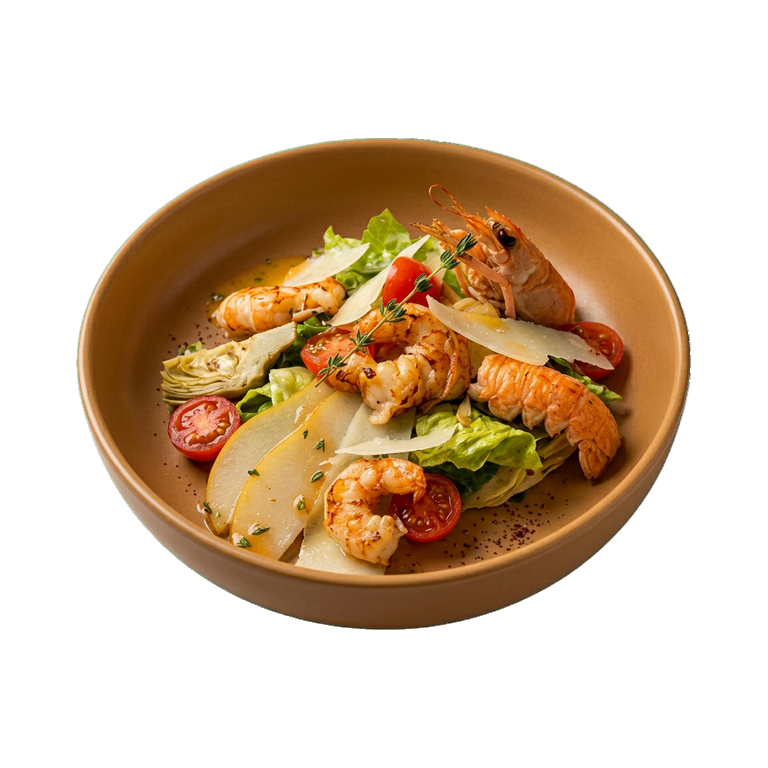
Langoustines work well in simple combinations: butter with lemon, garlic, white wine, fresh parsley. They are not afraid of sharp spices, but don't need them. Pasta, risotto, salads with seafood components — langoustines will find their place everywhere. Try them with tomatoes and basil, with fennel, with coriander.
Selection and Storage
Live langoustines should be active, with a glossy shell, and without ammonia smell. If buying frozen ones, check that there is no ice crust — this is a sign of improper storage. Thaw in the refrigerator, take your time. Store fresh langoustines in the refrigerator for no more than a day, frozen ones — up to three months in the freezer.
- Place live langoustines on ice or in the coldest part of the refrigerator in a container with drainage.
- Frozen langoustines can be cooked straight from the freezer if time is short, but quality is better if you thaw them slowly.
- Eat cooked langoustine meat on the day of preparation — it quickly loses moisture and tenderness.
Langoustines are an opportunity to cook a delicate dish without unnecessary complications. They forgive minor mistakes, work well with simple sauces, and don't require lengthy preparation. Even a novice chef will be able to reveal their delicate flavor and make an impression at the table.
Nutrition
per 100 g
- Calories
- 90 kcal
- Protein
- 18.5 g
- Fat
- 1.5 g
- Carbs
- 0 g
Measures and weight
- 1 pcs
- 50 g
Measure calculator
- Weight
- 100 g
- Calories
- 90 kcal